Magnesia Refractory Bricks
Basic refractory brick systems for high-temperature furnace linings exposed to alkaline slag corrosion, severe erosion and thermal shock.
Material System Positioning
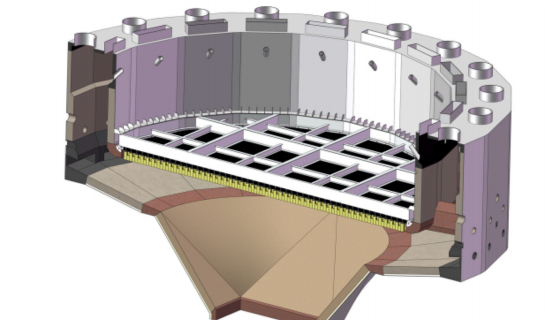
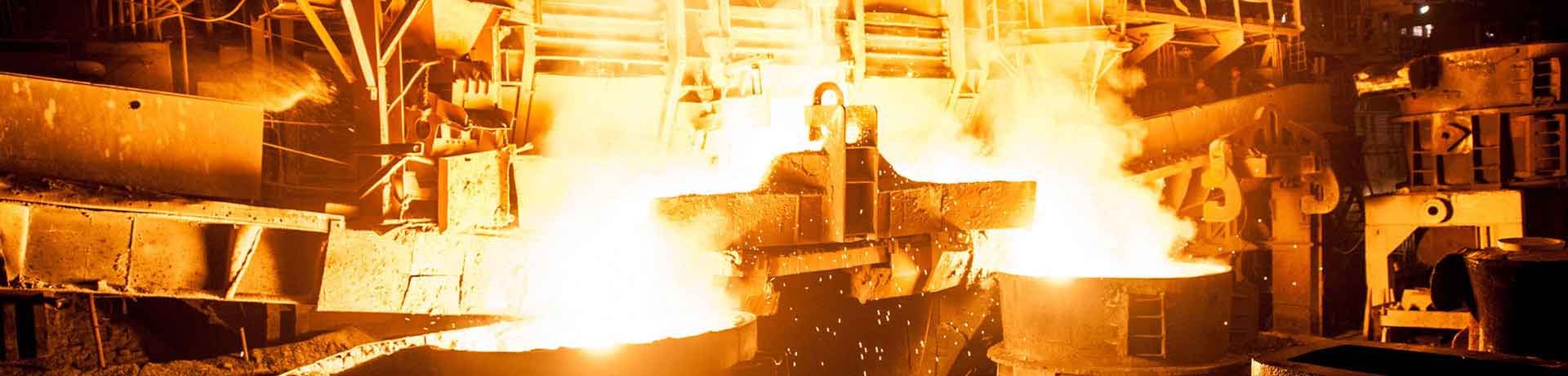
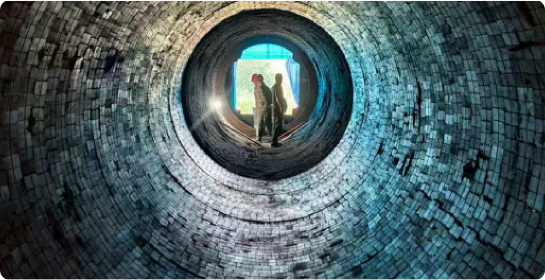
Magnesia refractory bricks are basic refractory materials with MgO as the main chemical component. They provide high refractoriness, strong resistance to basic slag corrosion and stable performance under high-temperature load. These products are widely used in cement kilns, lime kilns, steelmaking furnaces, non-ferrous smelting furnaces and other high-temperature industrial linings.
In furnace linings, magnesia refractory bricks are selected to resist basic slag corrosion, thermal shock, spalling, slag penetration and structural instability. Depending on the furnace type and lining position, suitable options include magnesia bricks, magnesia iron spinel bricks, magnesia alumina spinel bricks, magnesia alumina chrome spinel bricks, magnesia chrome bricks, magnesia carbon bricks and magnesia alumina carbon bricks.
JHYRef selects magnesia refractory brick systems according to furnace type, operating temperature, slag chemistry, corrosion mechanism and existing damage condition, helping customers achieve more stable lining life and reliable furnace operation.
Performance Mechanism
How Magnesia Brick Performance Is Developed
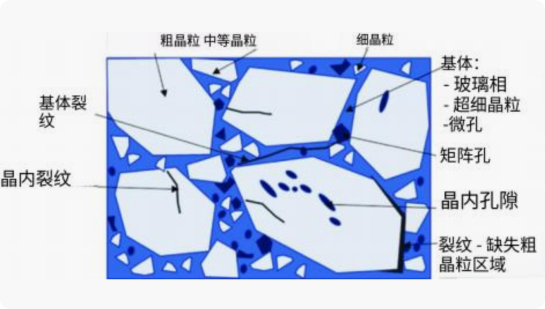
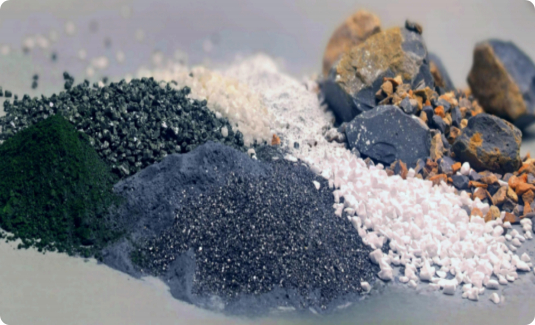
The performance of magnesia refractory bricks comes from the combined effect of the MgO main crystal phase, spinel phases, bonding structures, carbon systems and dense microstructure. Different product series are designed to address different furnace lining damage mechanisms.
Product Series
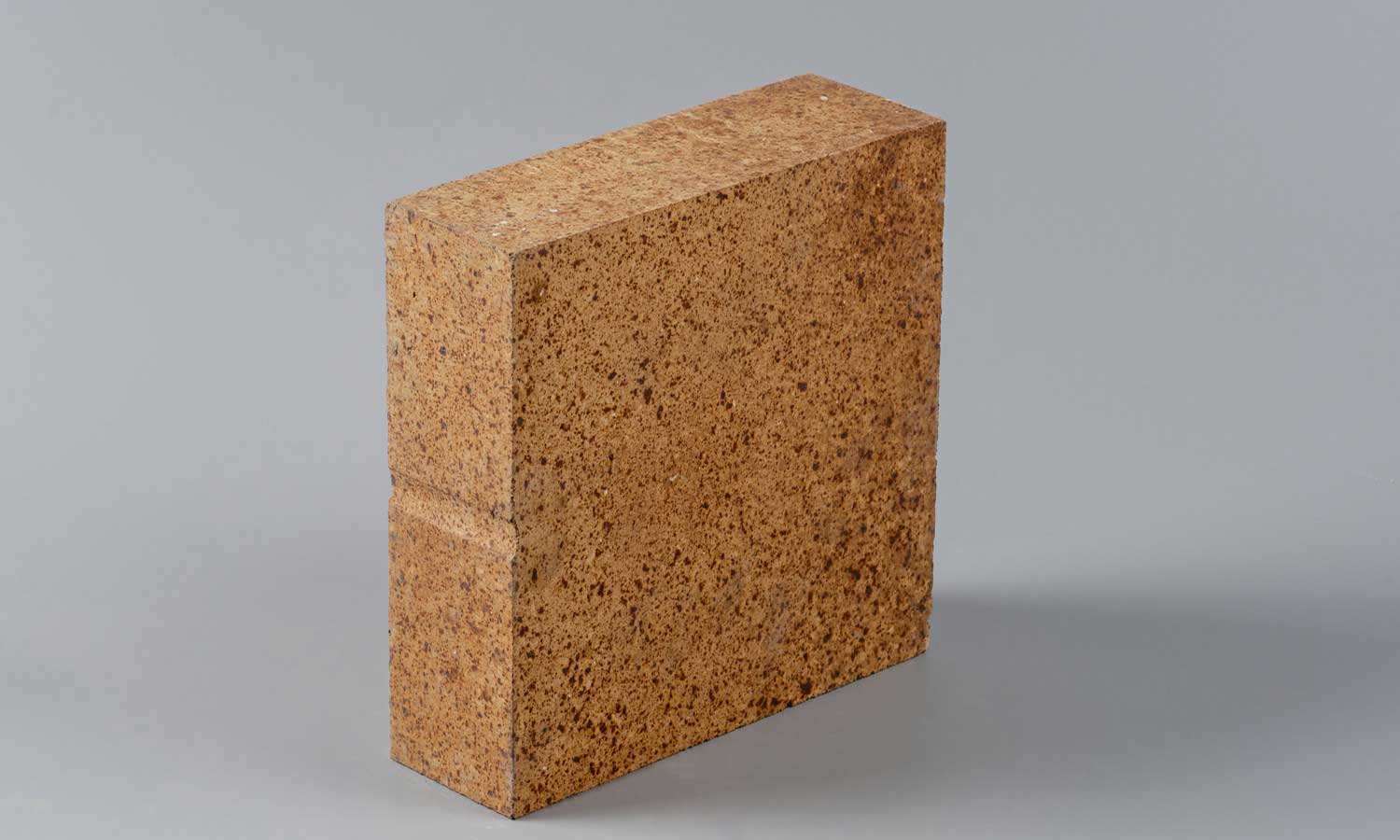
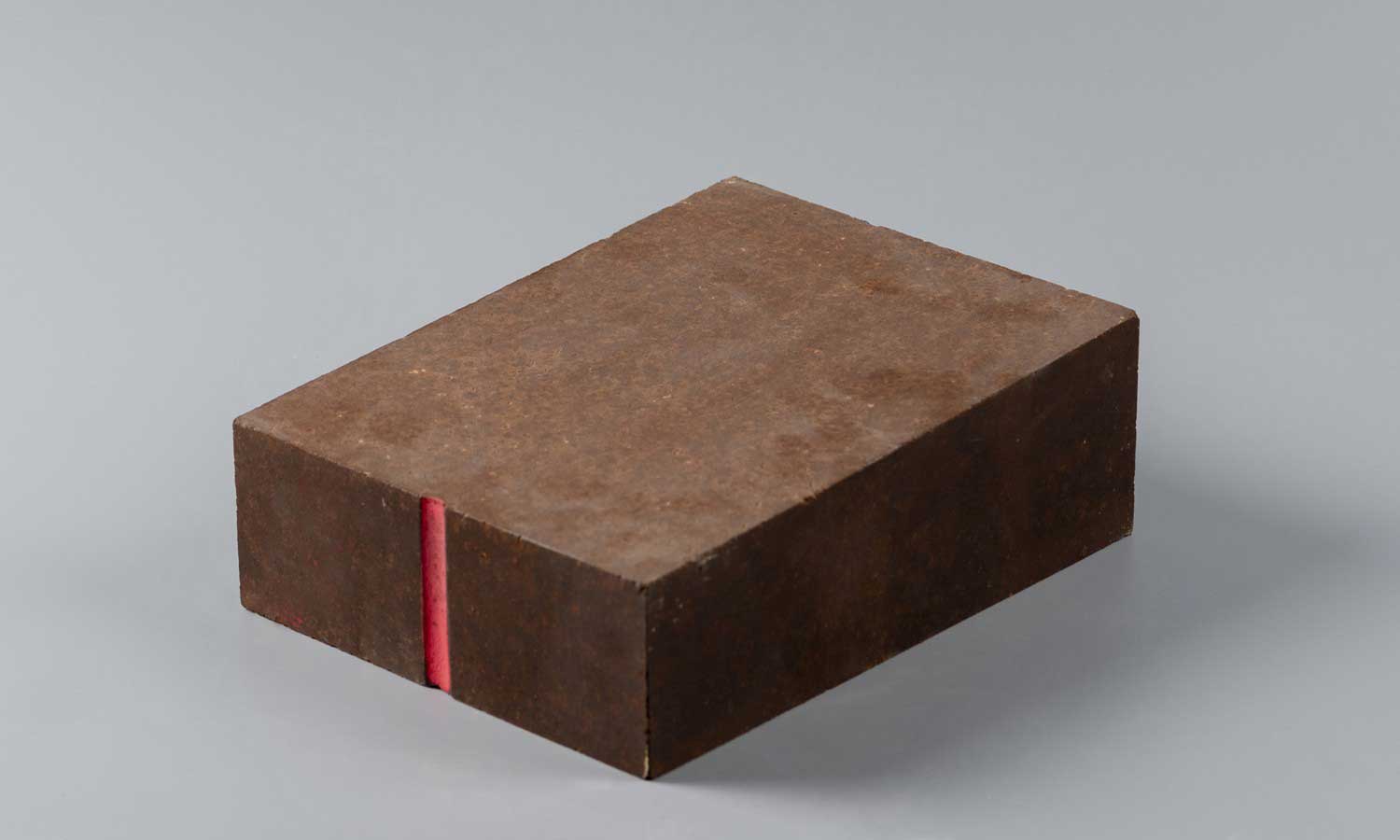
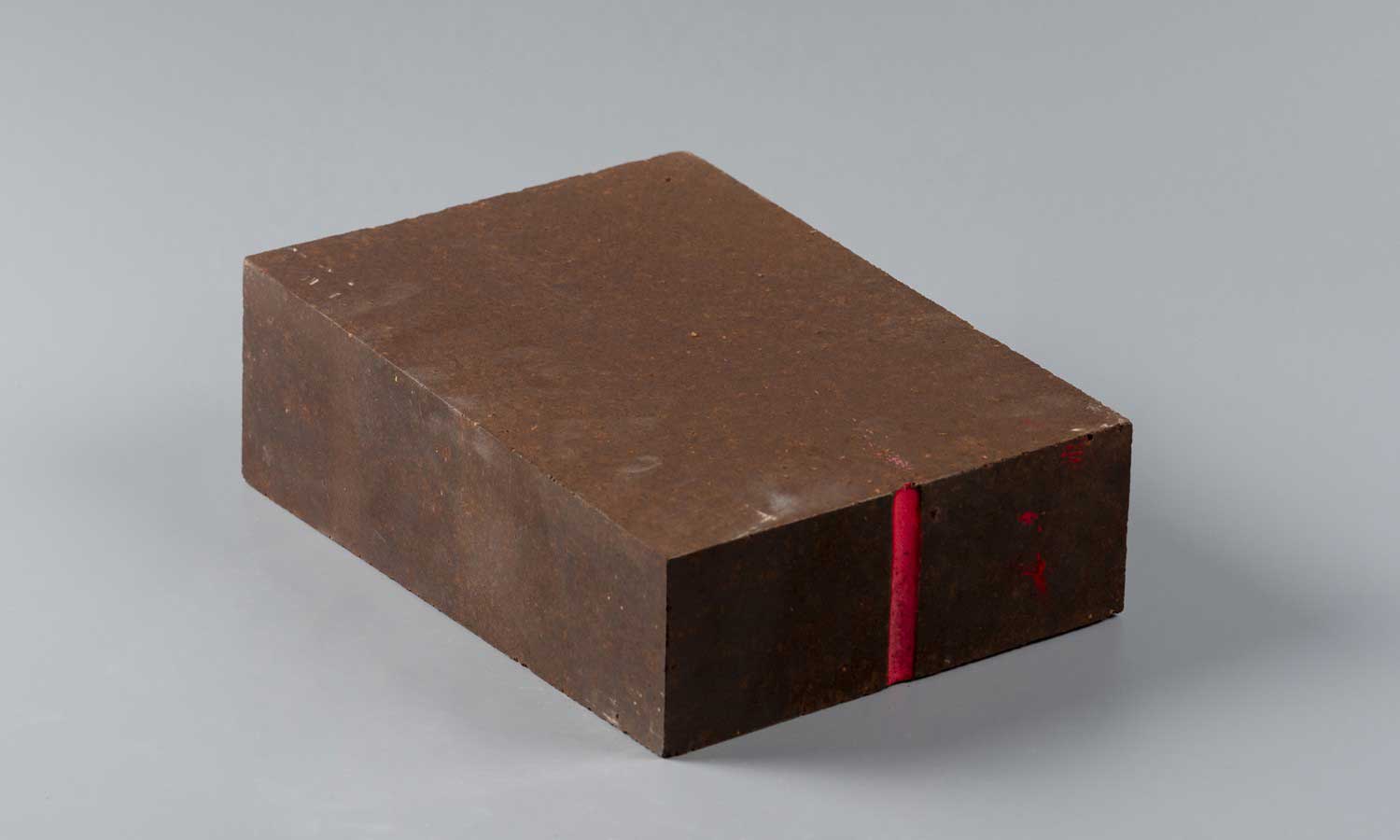
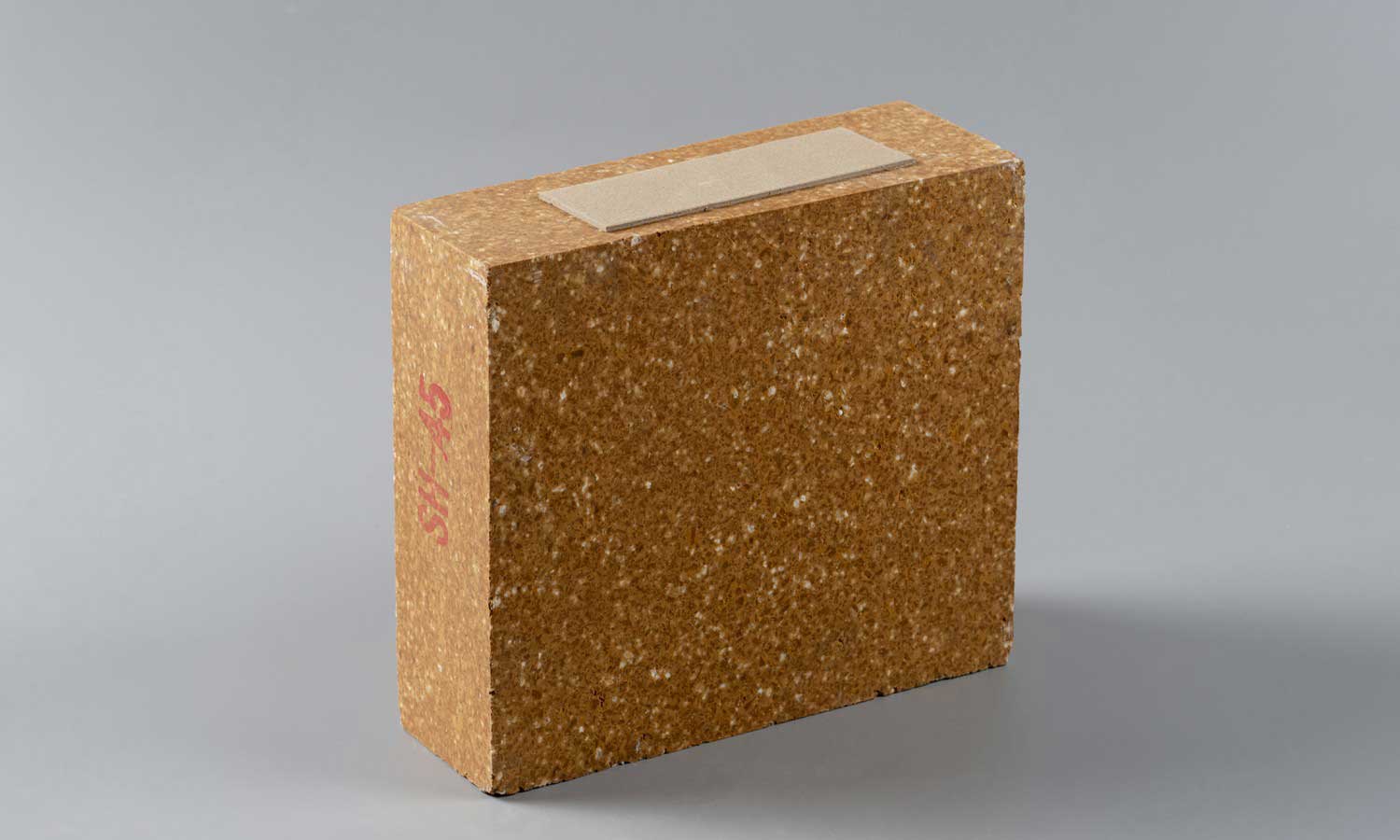
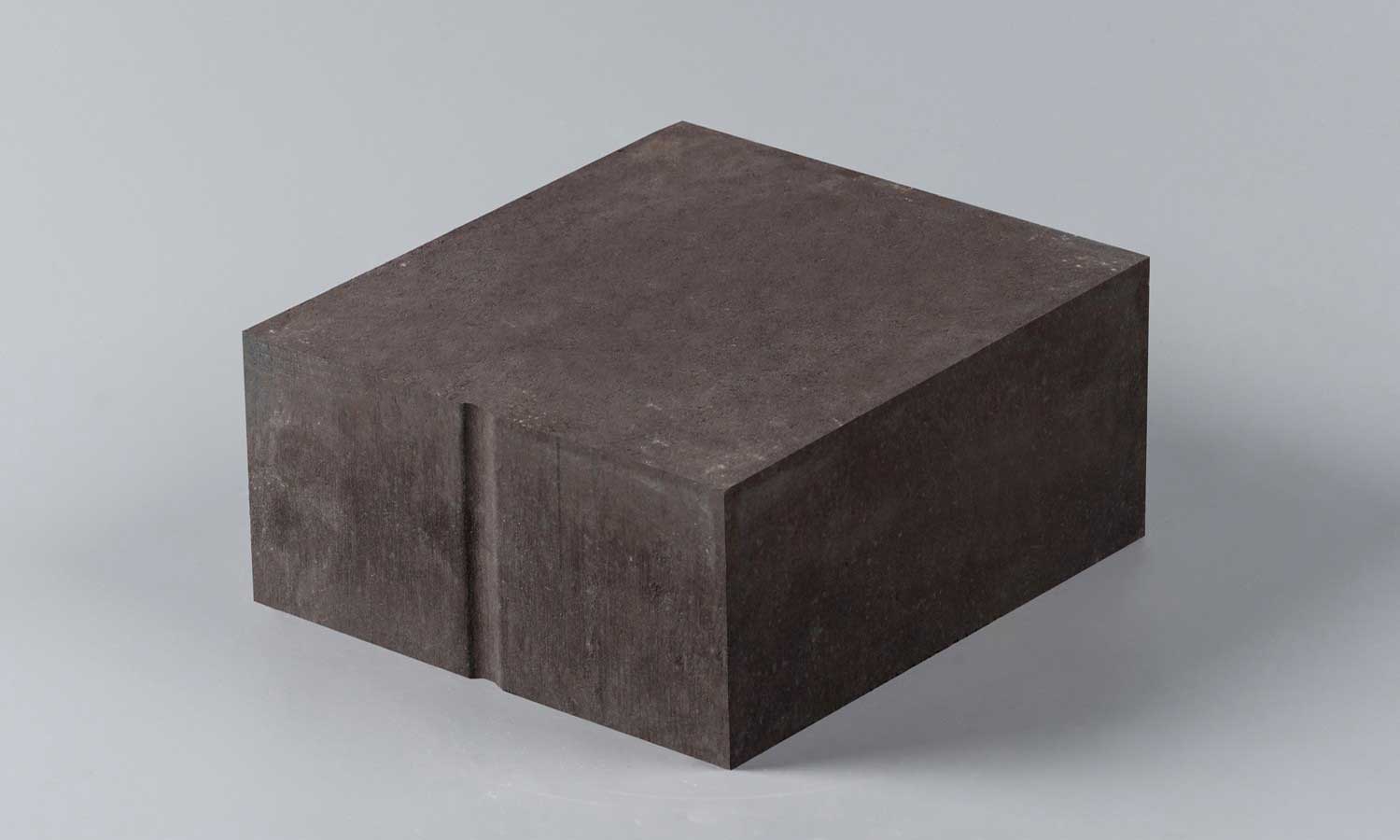
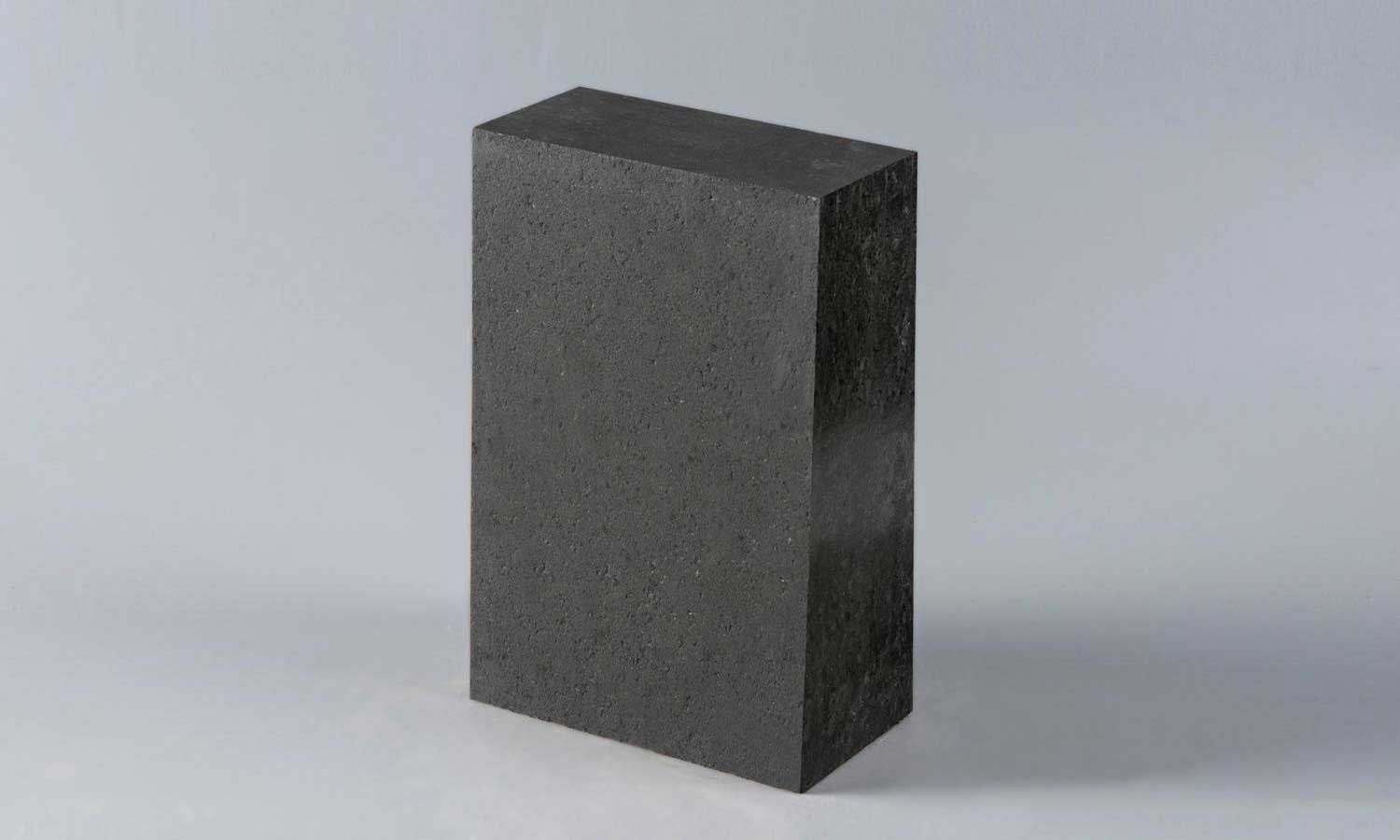
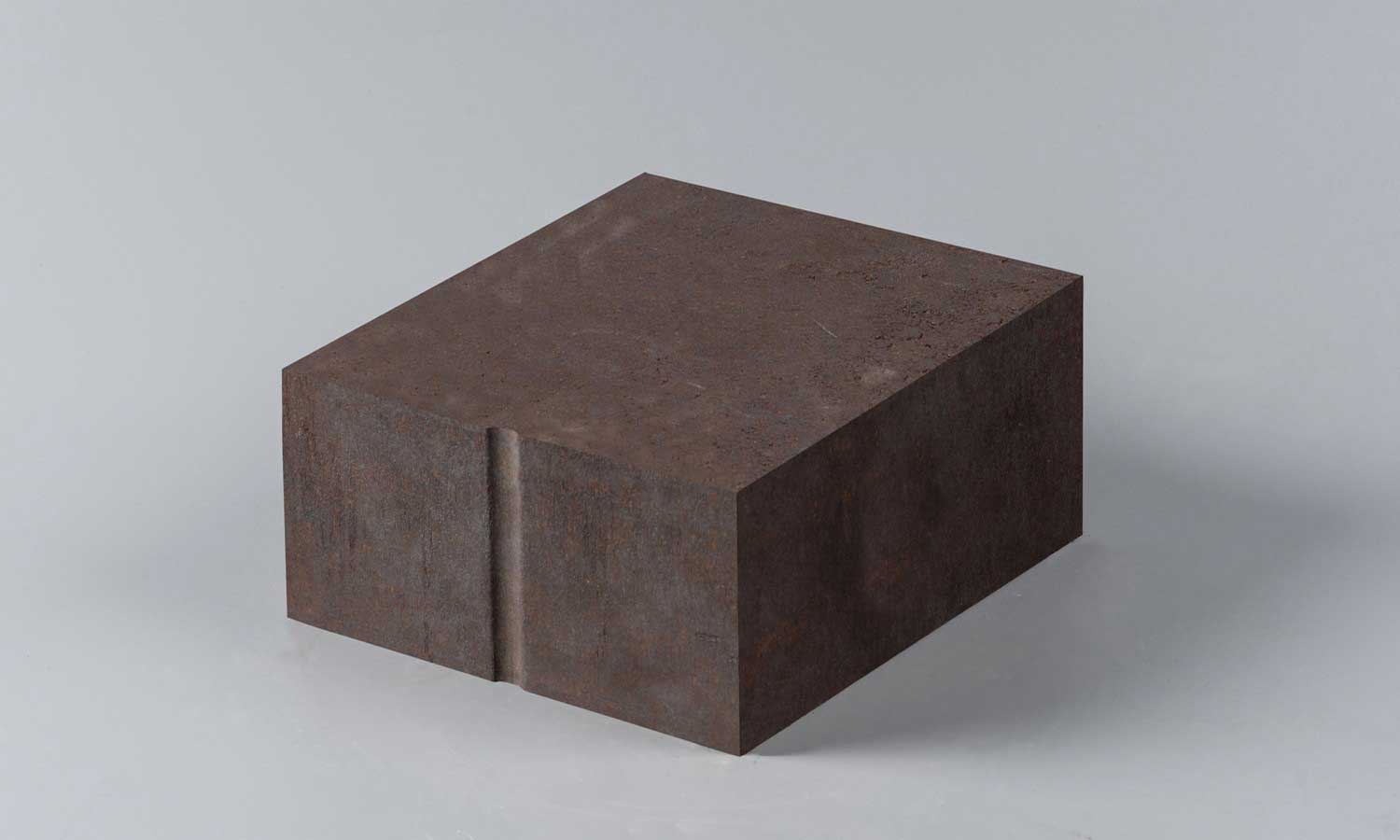
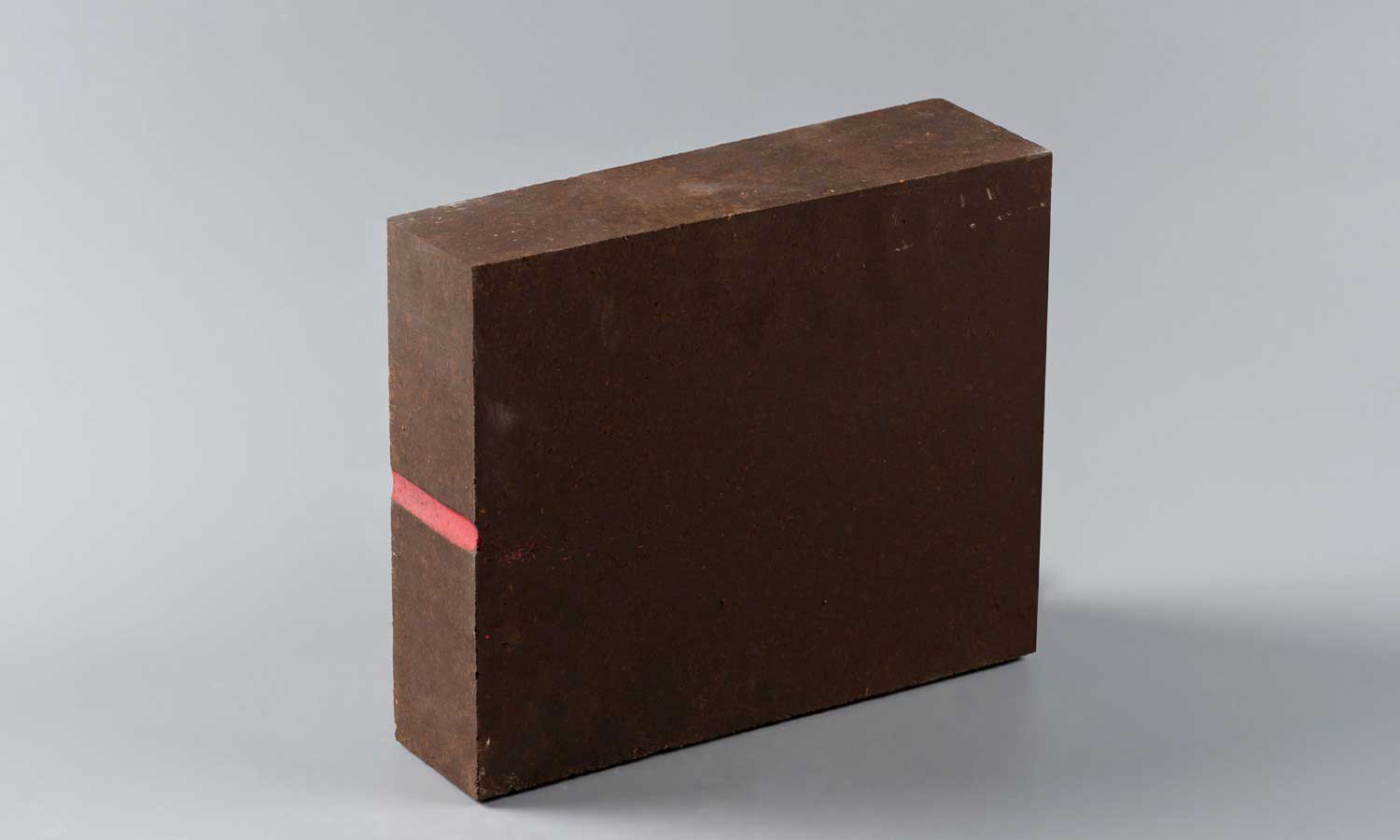
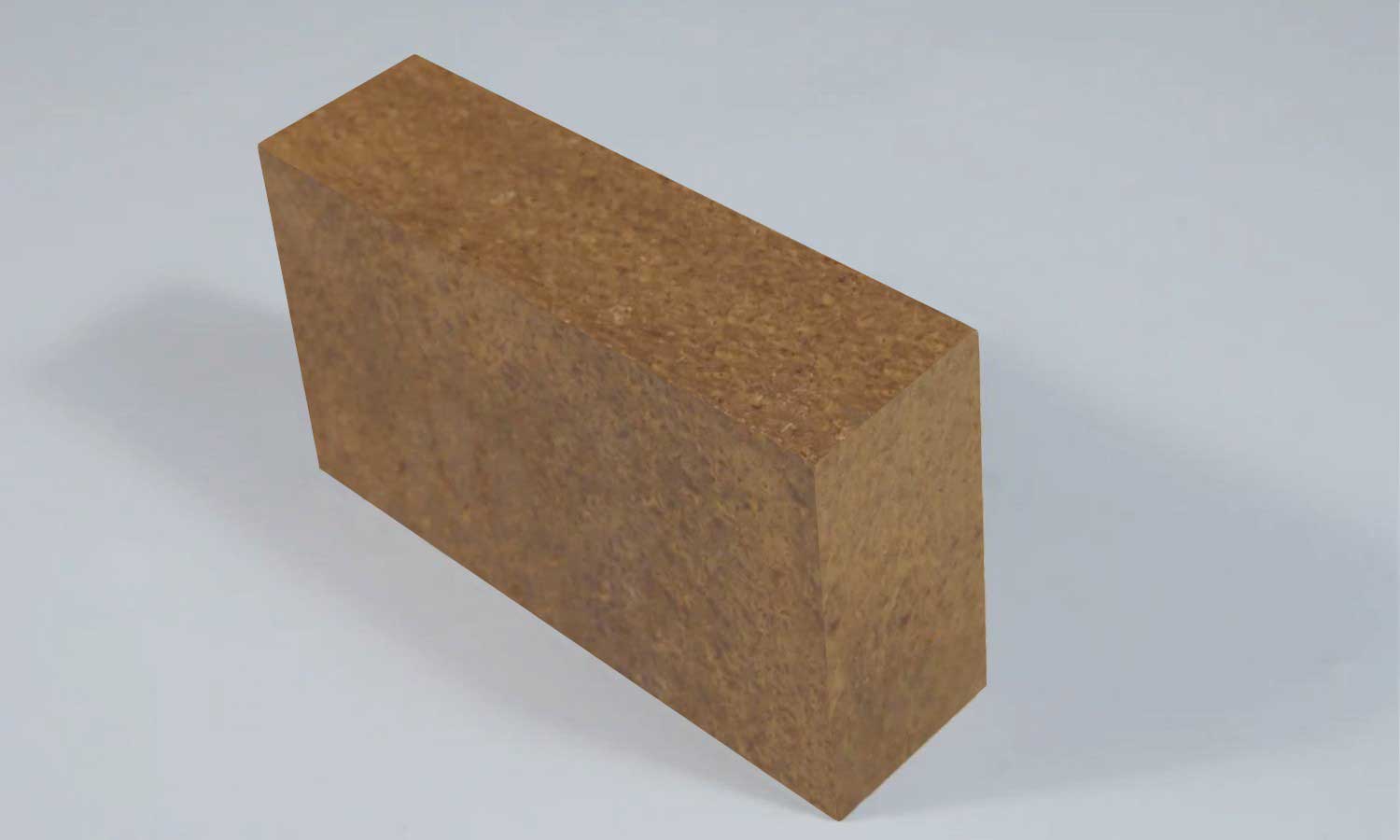
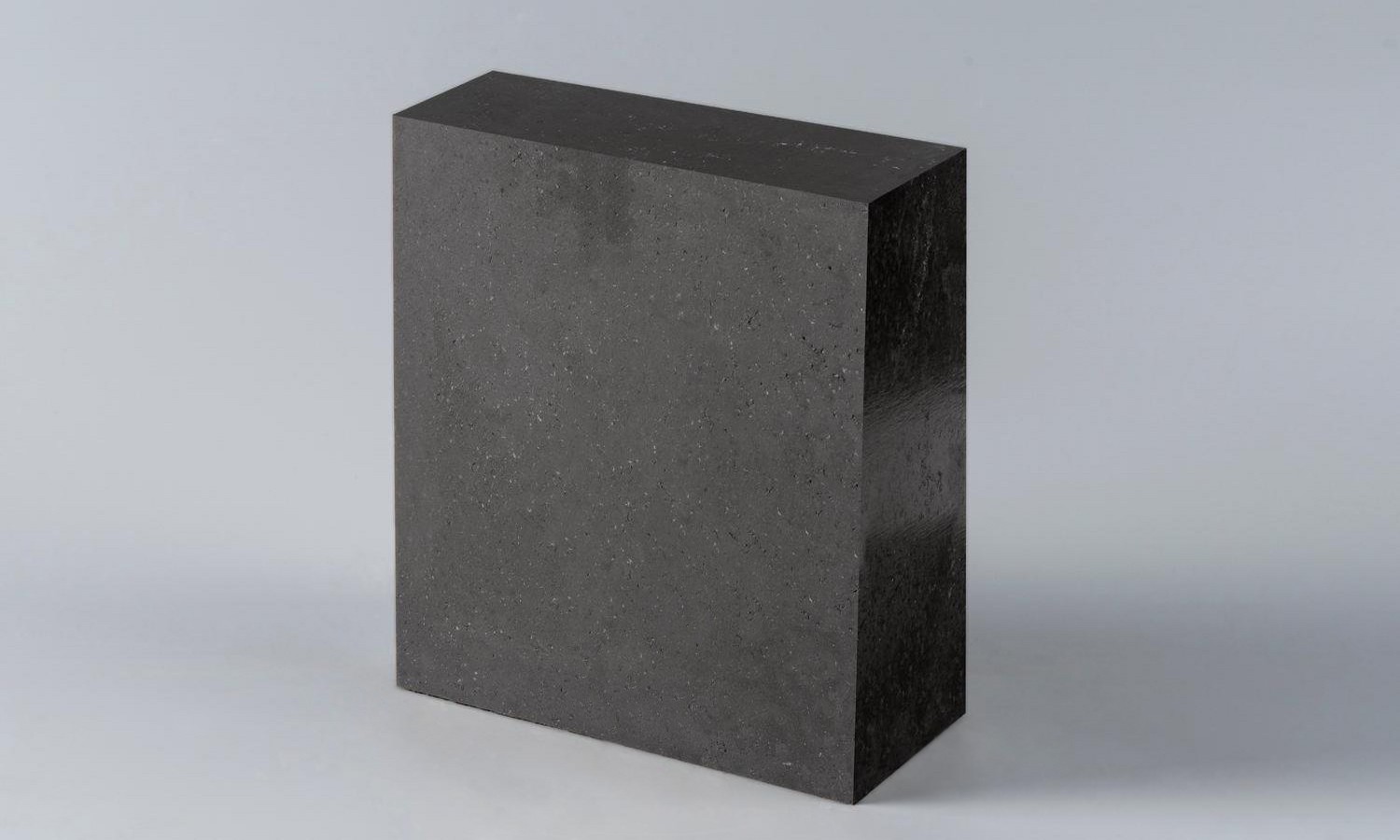
Based on composition, phase structure and bonding method, JHYRef magnesia refractory brick systems include the following product series:
Application Scope
Magnesia refractory bricks are used in high-temperature basic furnace linings where resistance to slag corrosion, penetration, thermal shock and structural damage is required.
Selection Notes
- Magnesia refractory bricks are suitable for basic or severe high-temperature corrosion systems, but are not ideal for strongly acidic slag or clearly acidic atmospheres.
- Chrome-containing magnesia products may require confirmation of environmental, emission and owner specification requirements.
- Magnesia carbon and magnesia alumina carbon bricks contain carbon bonding systems, so the oxidizing atmosphere, heating schedule and antioxidant design should be considered.
- Different magnesia brick products should not be substituted by name alone. Selection should be based on furnace type, temperature, slag chemistry, corrosion mechanism and damage reason.
Compatible Refractory Material Systems
Magnesia refractory brick systems are often combined with the following refractory materials to create a complete furnace lining solution:
Engineering Technical Support
If you are selecting magnesia refractory bricks for a cement kiln, lime kiln, ladle, converter, electric arc furnace, copper smelting furnace or another high-temperature lining, please provide the furnace type, lining position, operating temperature, slag chemistry, primary damage condition, brick size or drawing, purchase quantity and project schedule.
JHYRef can recommend a suitable magnesia refractory brick series based on the actual service conditions and provide customized production and engineering support.