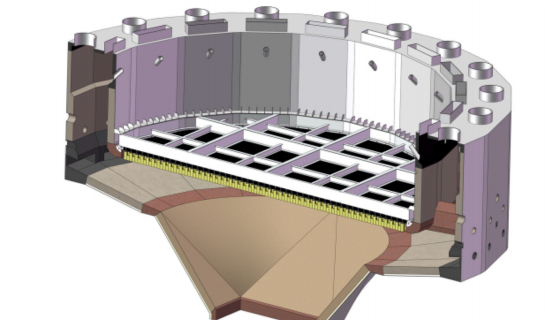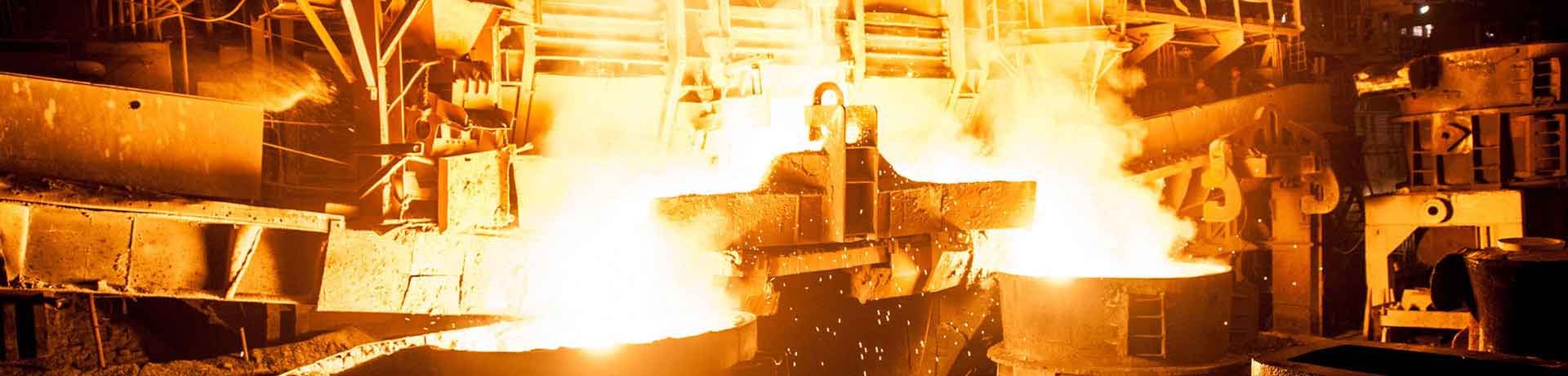
Composite and Special Shaped Refractory Bricks
Composite refractory brick systems for complex high-temperature conditions involving wear, corrosion, thermal shock, slag penetration and structural stress.
Material System Positioning
Composite and special shaped refractory bricks are used in complex furnace conditions where standard alumina, magnesia or silica refractory bricks cannot fully meet service requirements. These products improve wear resistance, corrosion resistance, thermal shock resistance, penetration resistance and high-temperature volume stability through multi-phase materials, composite matrix structures, special bonding systems or functional designs.
In real furnace linings, damage is often caused by several factors at the same time, including high temperature, mechanical wear, chemical corrosion, atmosphere change, slag penetration and frequent temperature fluctuation. Composite and special shaped refractory bricks provide targeted material solutions for these combined damage environments.
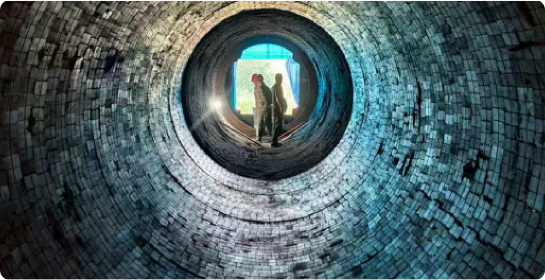
JHYRef composite and special shaped refractory bricks can be selected and customized according to furnace type, service medium, operating temperature, wear intensity, slag chemistry and brick geometry. They are suitable for cement, steel, non-ferrous smelting, waste incineration, lime, chemical and other high-temperature industrial equipment.
Performance Mechanism
How Composite Brick Performance Is Developed
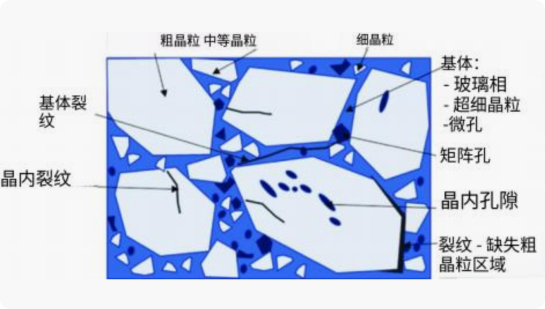
The performance of composite and special shaped refractory bricks comes from the combined effect of material composition, bonding systems, pore structure and functional phases. Different product series are designed for different damage mechanisms.
01
Composite phase reinforcement: Mullite, corundum, spinel, silicon carbide, zirconia-bearing phases or carbon phases improve corrosion resistance, thermal shock resistance and high-temperature stability.
02
Wear-resistant matrix design: In areas with high-velocity gas flow, material impact and particle abrasion, dense matrix structures and wear-resistant aggregates reduce surface wear and structural spalling.
03
Penetration-resistant structure: Lower porosity, optimized pore distribution and anti-wetting components help reduce penetration by slag, alkali vapor or molten metal.
04
Special bonding systems: Phosphate bonding, carbon bonding or composite ceramic bonding improve strength and structural stability in specific temperature ranges and atmospheres.
05
Functional composite design: In areas requiring both working-layer corrosion resistance and backup insulation, high corrosion-resistant insulating composite structures help reduce heat loss and extend lining life.
Product Series
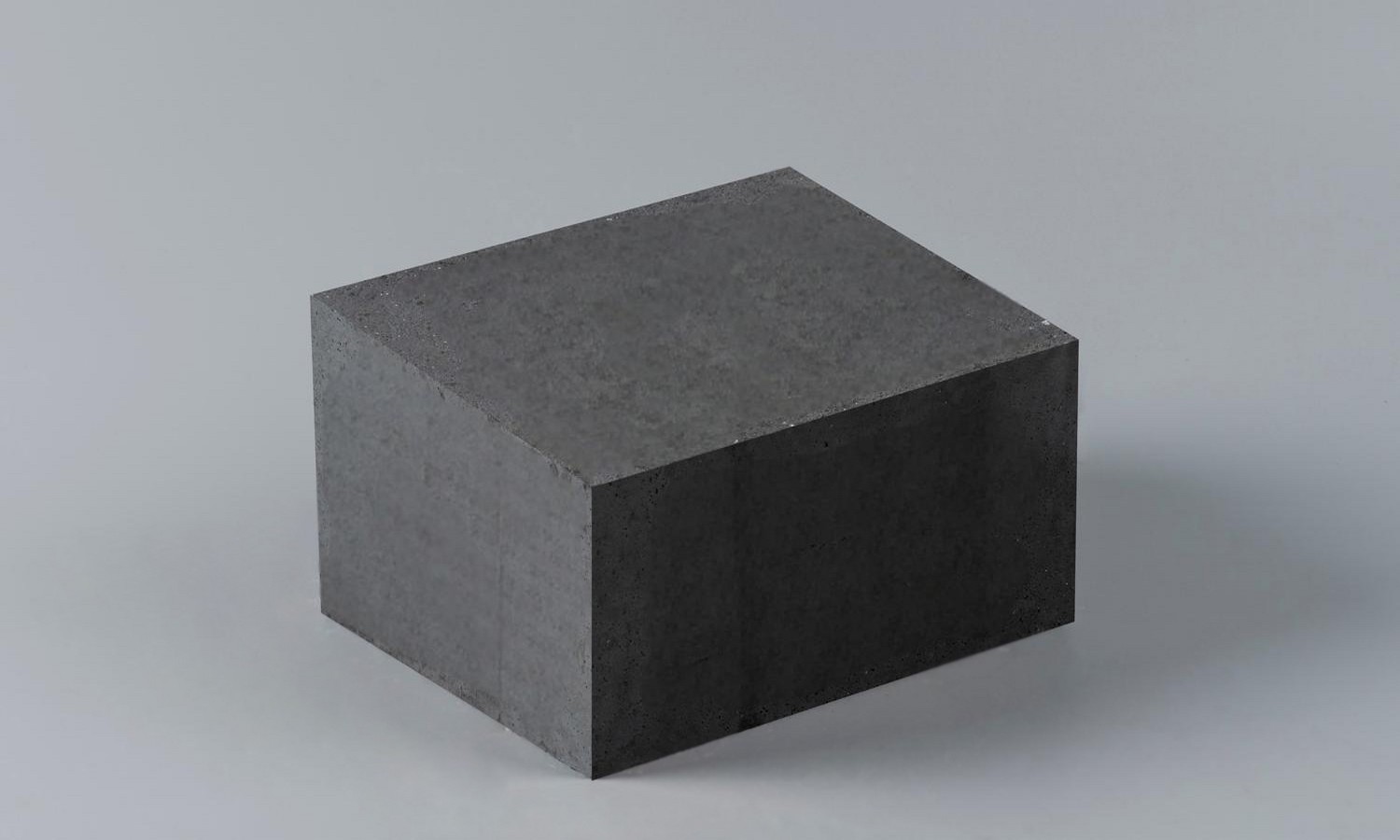
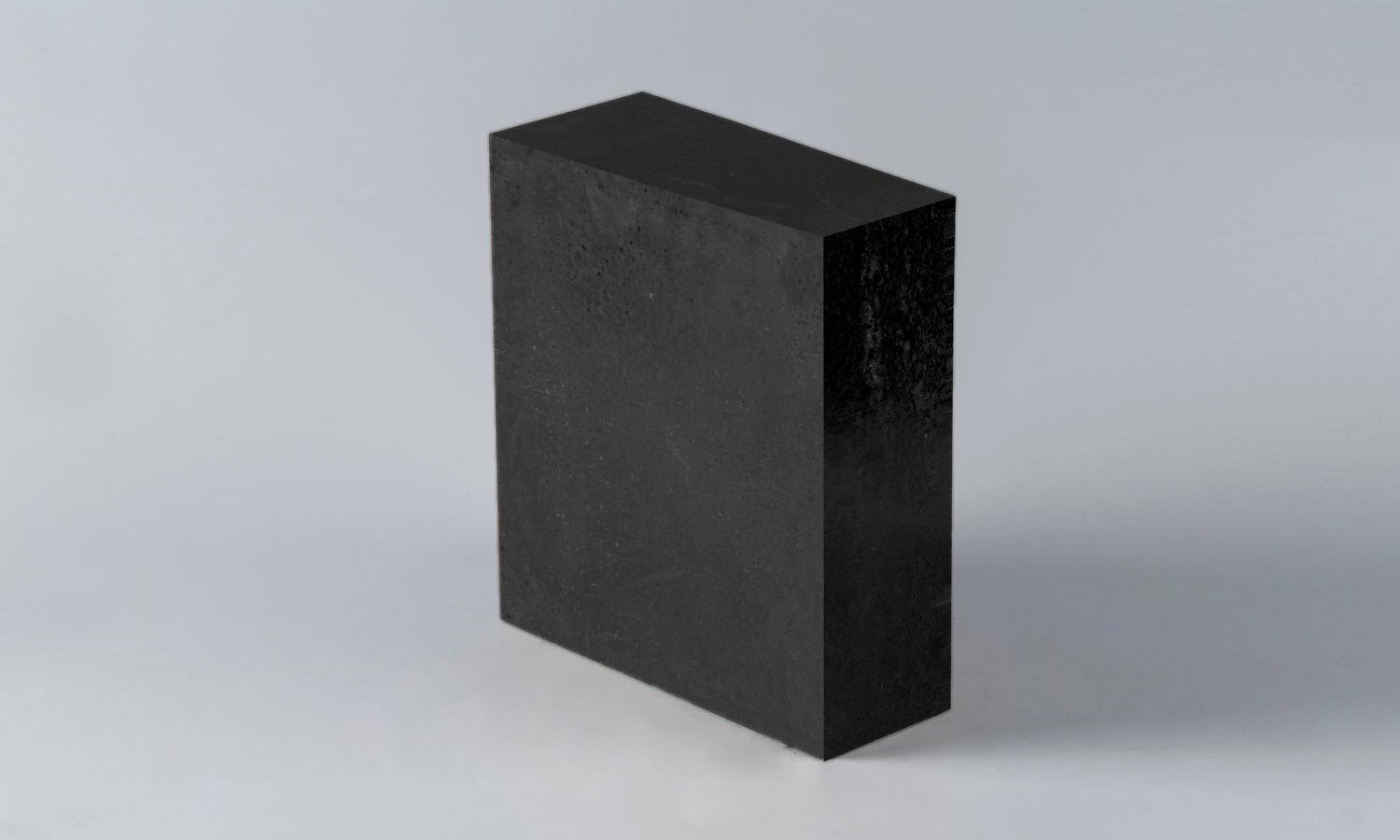
Based on material composition, bonding system and functional structure, JHYRef composite and special shaped refractory brick systems include the following product series:
Application Scope
Composite and special shaped refractory bricks are used where wear, corrosion, thermal shock, penetration and structural stress act together under complex high-temperature conditions.
Selection Notes
- Composite and special shaped refractory bricks should be selected according to the actual damage mechanism, not only by material name.
- For severe wear, focus on wear-resistant aggregates, matrix strength and surface impact resistance.
- For severe corrosion or penetration, focus on chemical compatibility, pore structure and anti-wetting performance.
- For frequent temperature fluctuation, focus on thermal shock resistance, linear change and spalling risk.
- Carbon-containing or special bonded products should be confirmed according to service atmosphere, heating schedule and oxidation conditions.
Compatible Refractory Material Systems
Composite and special shaped refractory brick systems are often combined with the following materials to create a complete furnace lining solution:
Engineering Technical Support
If your furnace lining faces combined problems such as wear, corrosion, thermal shock, penetration or complex installation, please provide the furnace type, lining position, operating temperature, medium or slag chemistry, main damage condition, brick drawing, quantity and project schedule.
JHYRef can recommend suitable composite and special shaped refractory brick solutions based on actual service conditions and provide customized production and engineering support.