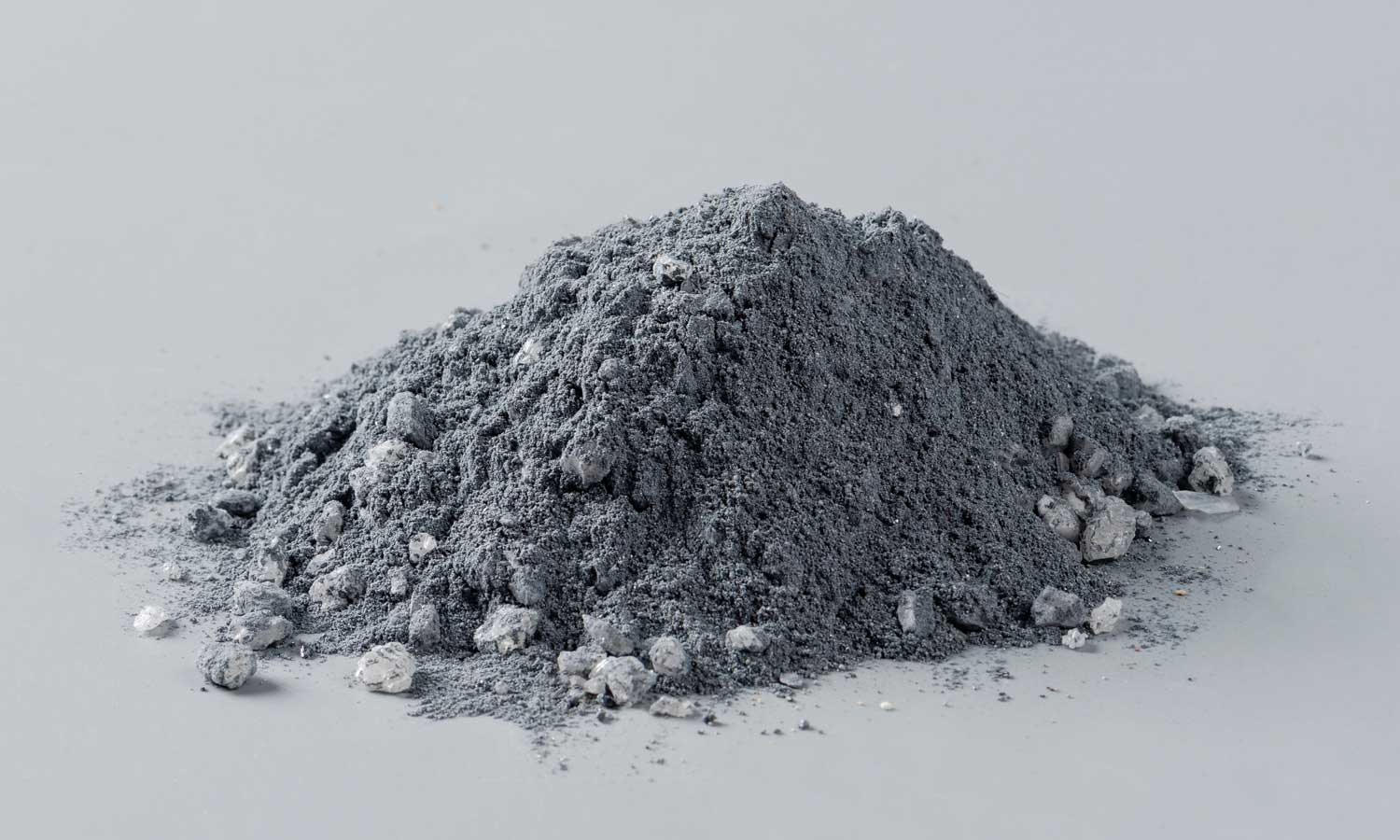
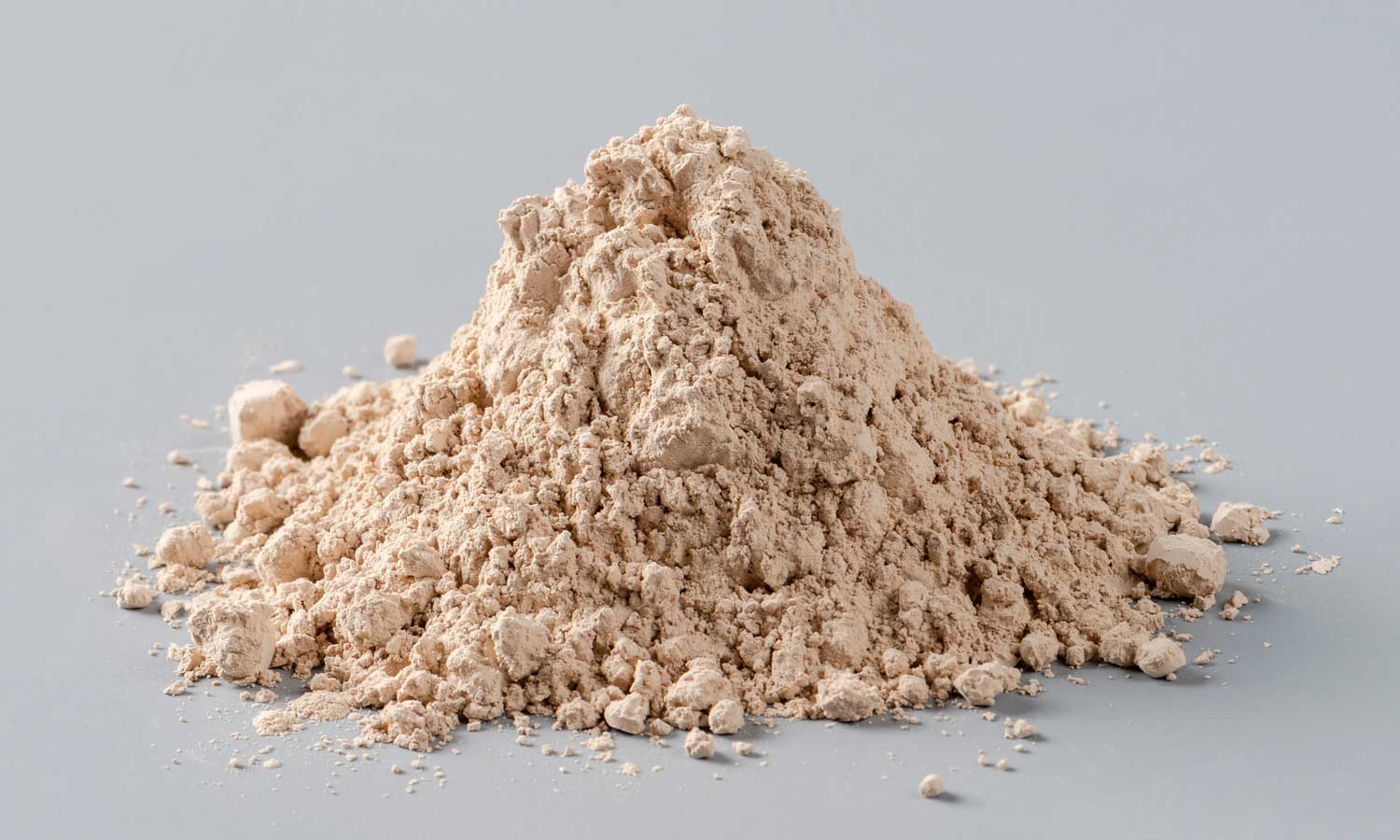
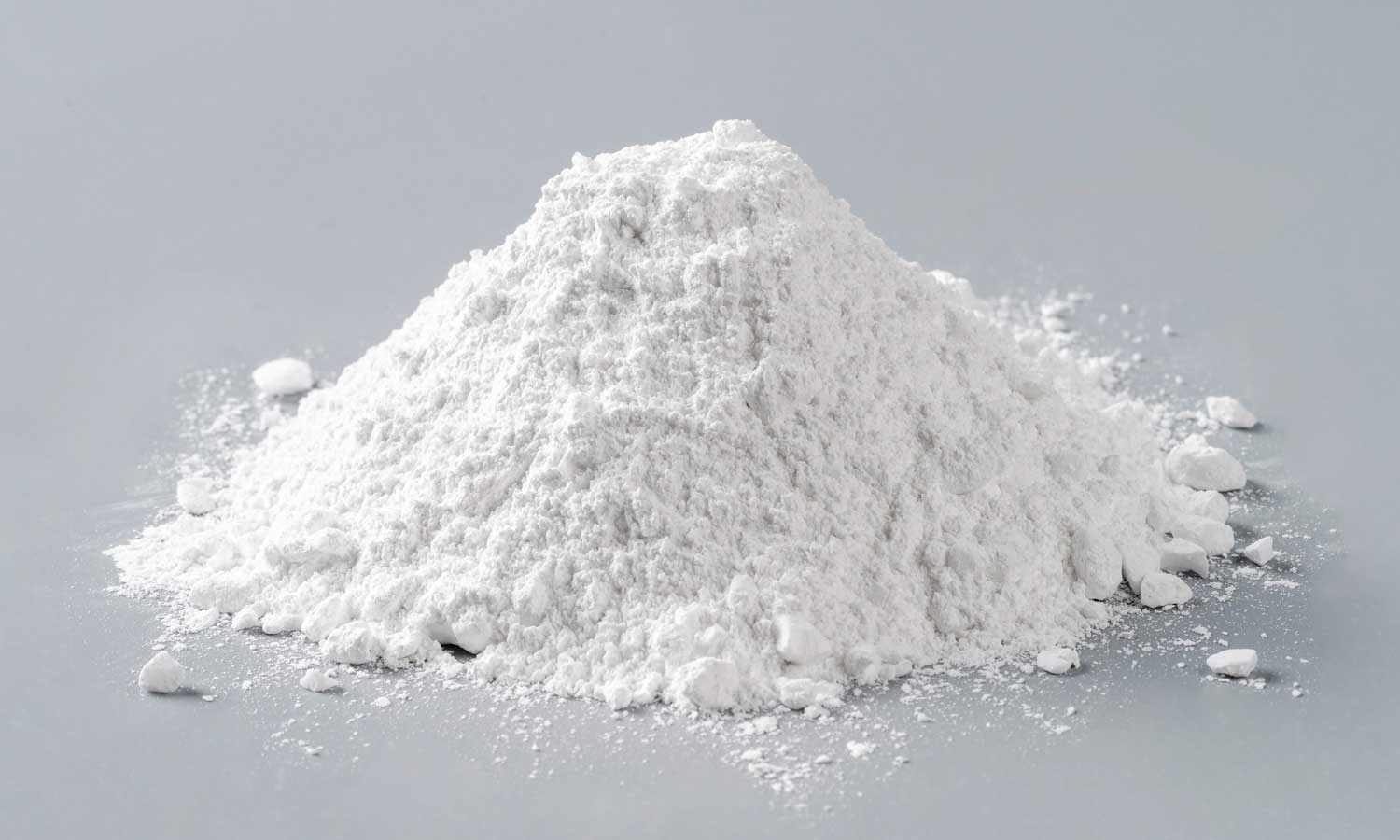
Defluorination and dechlorination is a critical pretreatment step in zinc oxide rotary kiln processing of secondary zinc oxide containing fluorine and chlorine. It directly determines the feasibility, operational stability, economic efficiency, and environmental compliance of subsequent hydrometallurgical zinc extraction, while also enabling valuable metal enrichment and comprehensive resource utilization.
Background
Under normal operating conditions, the temperature in the high-temperature zone ranges from 1100–1300 °C. At this temperature, fluorine- and chlorine-containing compounds are fully decomposed and volatilized. Although the temperature at the kiln outlet is lower than that in the high-temperature zone, it can still approach 1000 °C.
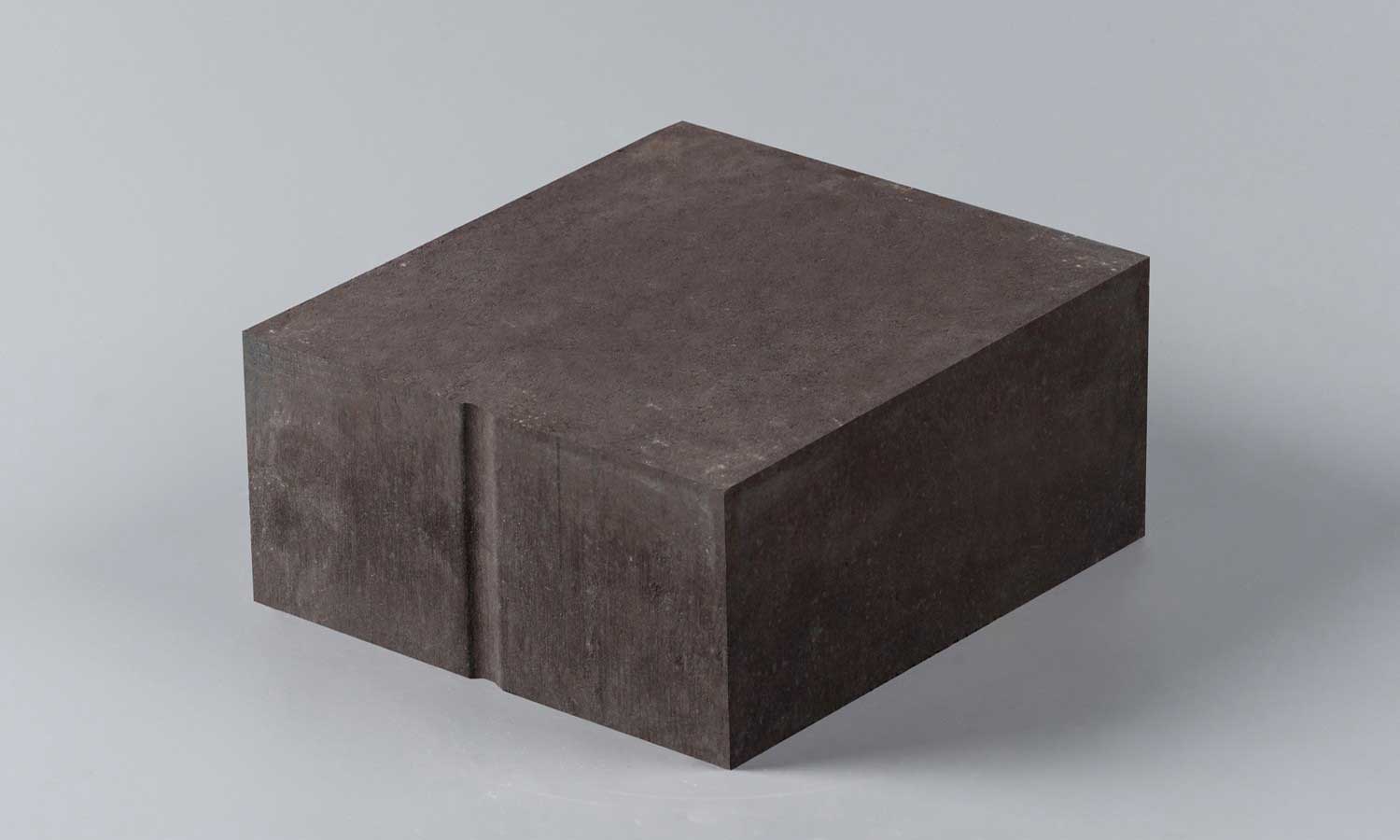
In the high-temperature zone, phosphate-bonded wear-resistant bricks with a bulk density of 2.9 g/cm³ are commonly used. At the kiln outlet, corundum-mullite castable is typically adopted together with a narrowed kiln outlet design (Figure 1). Under normal conditions, the service life of the castable at the kiln outlet exceeds one year.
Project Photos
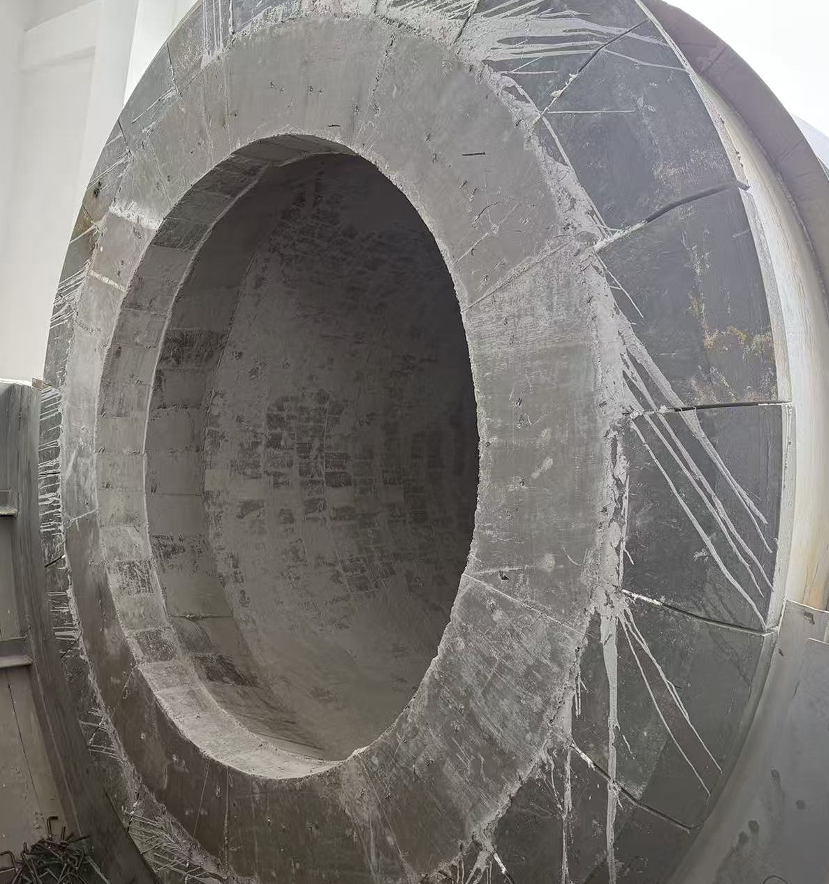
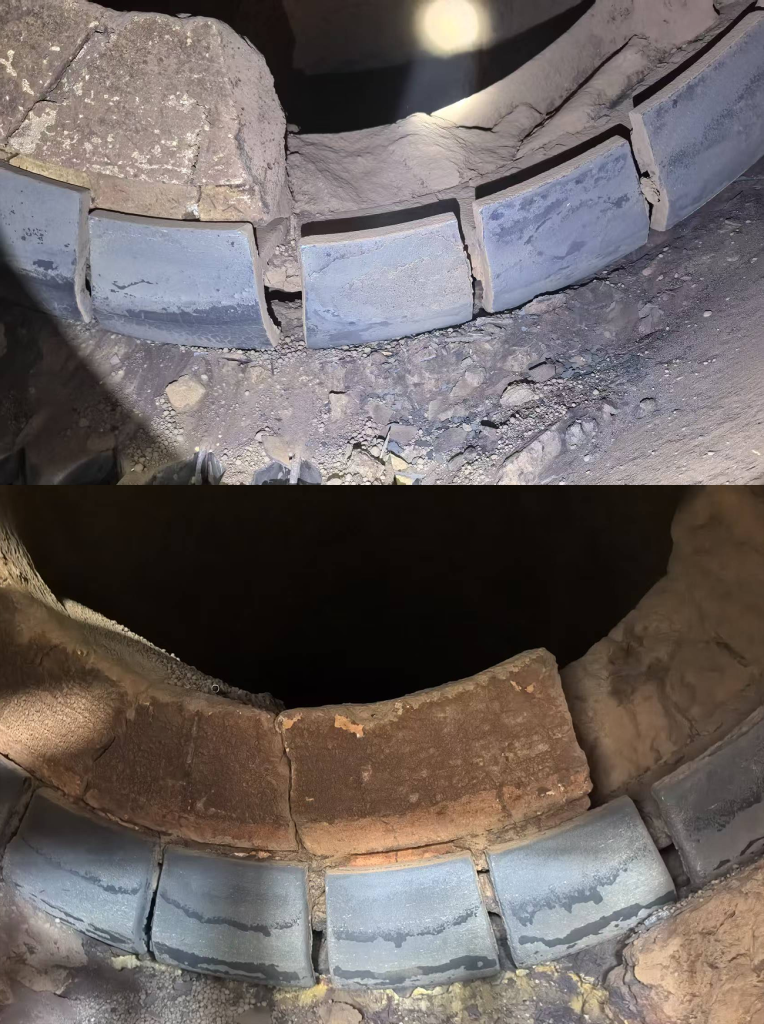
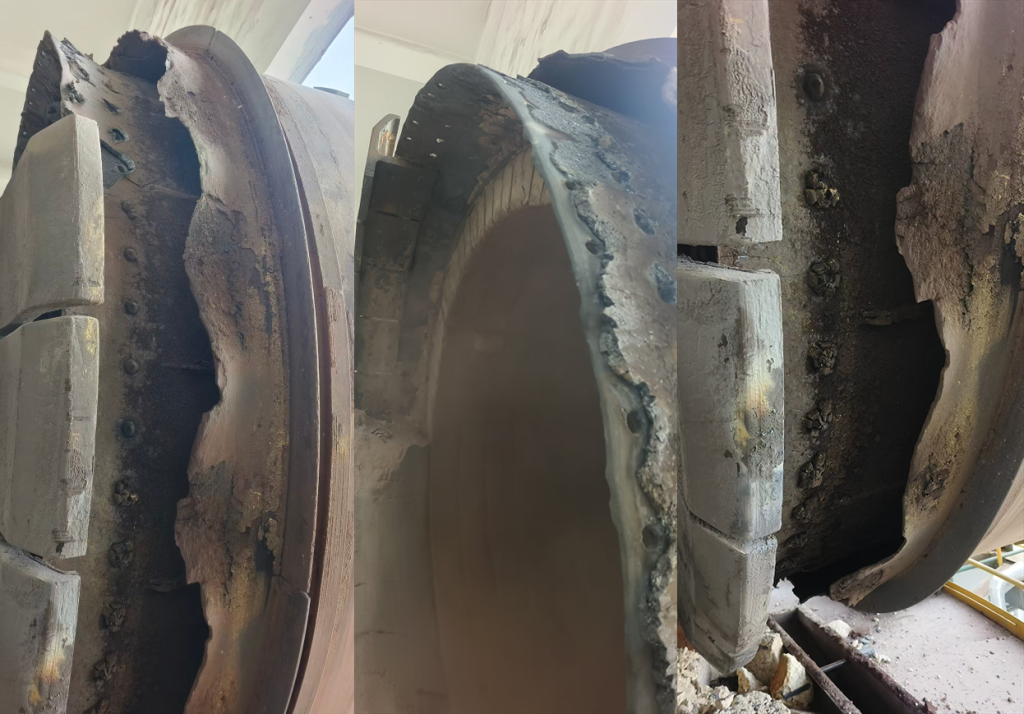
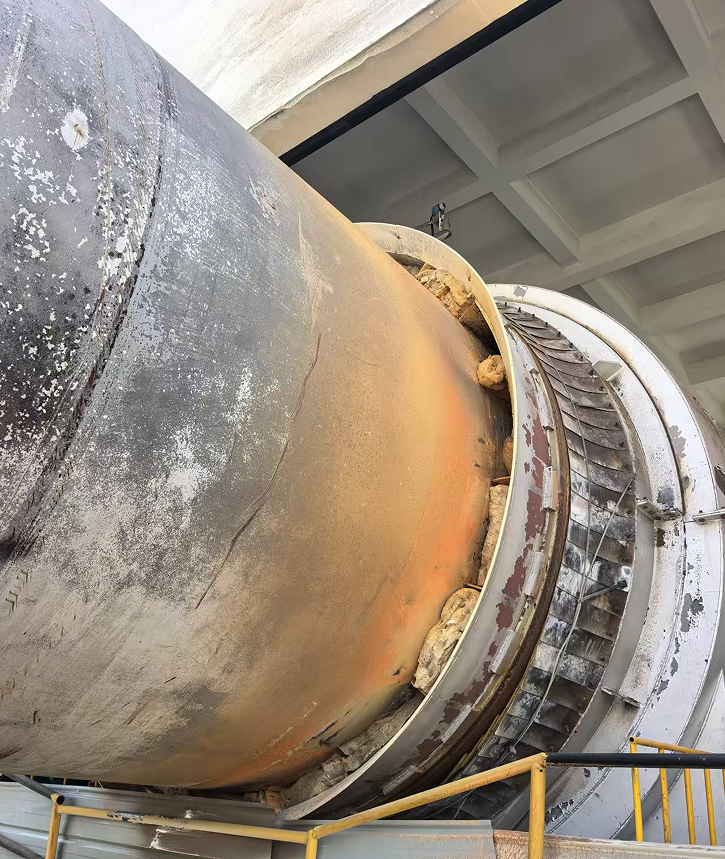
Figure 1 shows the kiln outlet of a zinc oxide defluorination and dechlorination rotary kiln at a certain company. The kiln outlet section is lined with castable refractory and adopts a narrowed outlet design. The exposed area of the outlet retaining steel ring is relatively large.
Figure 2 shows the condition after two months of rotary kiln operation. The photo indicates that large sections of the castable refractory have spalled off, and the kiln outlet retaining steel ring has also deformed into a trumpet-shaped profile.
Figure 3 shows the condition of the kiln outlet after two months of rotary kiln operation. The photo shows that the kiln shell itself has already deformed into a trumpet-shaped structure, while the external cooling air sleeve around the kiln shell has been partially burned away. The kiln outlet retaining steel ring has also deformed along with the kiln outlet.
Cause Analysis
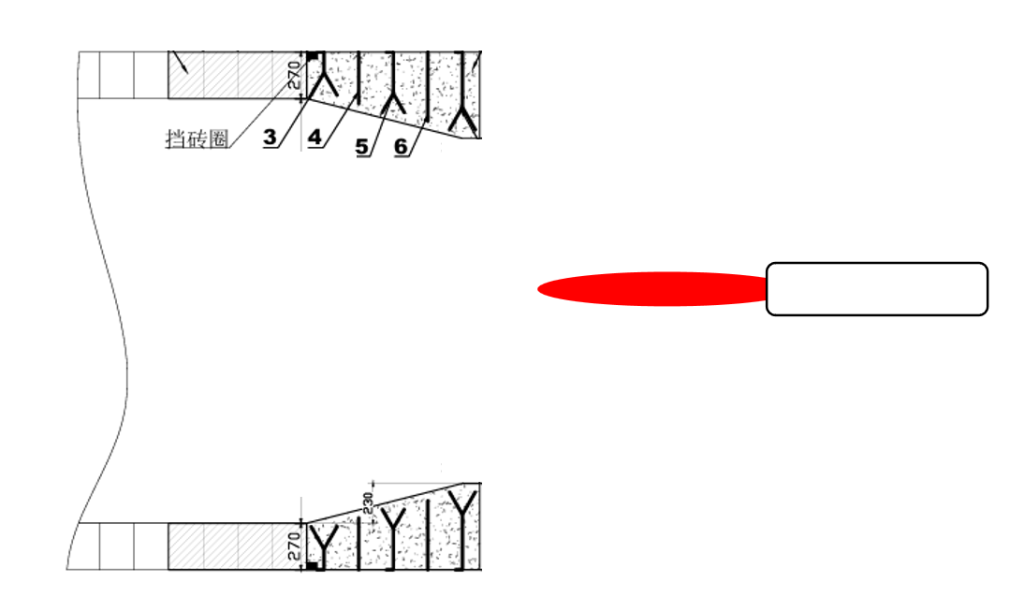
- The burner does not extend into the rotary kiln, causing part of the flame to remain exposed within the kiln hood area. As a result, the temperature inside the kiln hood becomes extremely high, creating an environment similar to a heating furnace.
- Since the flame is not fully contained inside the rotary kiln and the kiln outlet adopts a narrowed castable structure, part of the airflow is blocked by the protruding castable when the burner discharges air. This generates a vortex-type recirculation flow, resulting in positive pressure at the kiln outlet. Under normal conditions, however, the kiln head area should operate under negative pressure.
- Because part of the airflow and heat is lost within the kiln hood space, the temperature in the kiln’s high-temperature zone becomes insufficient. To achieve the required defluorination and dechlorination effect, the gas supply and airflow must be increased, which further raises the temperature at the kiln head area.
- A cooling air sleeve is installed at the kiln outlet. Its function is to introduce cooling air into the kiln head area through the gap between the cooling air sleeve and the kiln shell, thereby cooling the outlet retaining steel ring and kiln shell. However, because the kiln head area is now under positive pressure, dust is discharged outward through this gap. Due to environmental protection requirements, such dust leakage is unacceptable. Therefore, on-site personnel sealed the gap with insulating cotton (Figure 5).
- Once the cooling air sleeve can no longer introduce cooling air and loses its function, the temperature inside the kiln hood space rises excessively. In addition, the outlet retaining steel ring is exposed to a furnace-like high-temperature environment. Since the retaining steel ring is tightly fixed to the kiln shell with bolts, the excessive heat is transferred from the retaining steel ring to the kiln shell. Although the retaining steel ring is made of heat-resistant steel, the kiln shell itself is not. Consequently, prolonged exposure to excessive temperature gradually causes the kiln outlet shell to deform into a trumpet-shaped structure (Figure 3).
- As the outlet retaining steel ring deforms together with the kiln shell, the inner wall of the kiln outlet shell and the heat-resistant anchors welded onto the retaining steel ring also deform or fall off. Under these conditions, the castable refractory can no longer maintain its original structure, leading to progressive cracking and eventual spalling.
Improvement Measures
- Cut off and replace the damaged kiln shell section, and completely remove and recast the kiln outlet castable refractory.
- Replace the cooling air sleeve and increase its thickness.
- Adjust the burner position so that the burner nozzle and flame extend further into the rotary kiln.
- Remove the insulating cotton between the cooling air sleeve and the kiln shell.
- Adjust the kiln tail fan to maintain negative pressure at the kiln head area.