
Refractory brick prices are influenced by raw materials, manufacturing process, performance requirements, dimensions, order quantity, and market conditions. For high-temperature industries such as steel, cement, glass, non-ferrous metals, and petrochemicals, understanding these factors helps evaluate purchasing cost and product suitability more accurately.
Raw Material Type and Quality
The biggest factor affecting refractory brick price is the material system. A fireclay brick is not priced like a high alumina brick, and a high alumina brick is not priced like a magnesia chrome brick or fused cast AZS brick. Each uses different raw materials, different production routes, and different performance targets. High-purity materials with low impurities and stable quality usually cost more but deliver more reliable performance.
Raw Material Purity and Grade Change The Quote
A buyer may ask for “high alumina brick,” but the supplier still needs to know whether the project needs 48%, 55%, 65%, 75%, or 80% Al2O3. The price will not be the same.
Higher purity raw materials usually cost more. They may also require stricter selection, crushing, screening, batching, and testing. For example, a low-iron high alumina brick for a demanding high-temperature zone is not the same commercial product as a general aluminosilicate brick for a less severe backup area.
Performance Requirements Affect Production Cost
Refractory bricks are selected because they must stay stable under heat, chemical attack, abrasion, load, and thermal cycling. A general reference definition of refractory materials describes them as non-metallic materials used in structures exposed to high-temperature environments. In practical buying, that definition becomes a set of measurable requirements.
Important performance items include:
– Chemical composition, such as Al2O3, SiO2, MgO, Cr2O3, ZrO2, or carbon content.
– Bulk density and apparent porosity.
– Cold crushing strength and modulus of rupture.
– Refractoriness under load.
– Permanent linear change after heating.
– Thermal shock resistance.
– Slag, alkali, metal penetration, or corrosion resistance.
– Creep resistance for long-term load at high temperature.
Different working conditions require different refractoriness, refractoriness under load, slag resistance, thermal shock resistance, and abrasion resistance. Higher performance requirements usually increase formulation complexity and raw material cost, which leads to a higher product price.
Size and Shape Have a Direct Effect on Refractory Brick Cost
Standard straight bricks are easier to quote and produce than special shapes. They use established dimensions, familiar forming tools, predictable packing, and known firing behavior. JHYRef offers standard refractory brick sizes and can also discuss customized sizes based on drawings.
Custom shapes cost more for several reasons. The supplier may need to review drawings, design or modify molds, control tighter dimensional tolerances, and inspect more carefully. Wedge bricks, arch bricks, key bricks, checker bricks, burner blocks, tapping blocks, and complex special shapes can all require more production attention than standard rectangular bricks.
Shape also affects yield. During drying and firing, bricks shrink and develop internal stress. A simple straight brick is easier to keep within tolerance.
A complex shape may have a higher rejection rate if corners, holes, slots, or thin sections deform or crack. That loss becomes part of the final price.
Size affects shipping too. Dense refractory bricks are heavy, so the final order must be packed safely and loaded efficiently. A brick that looks inexpensive per piece may have a higher landed cost if the shape wastes pallet space or reduces container utilization.
If you need special shapes, send clear drawings instead of only sending photos. Include dimensions, tolerance requirements, quantity per shape, installation position, and whether the brick contacts flame, slag, metal, dust, or mechanical load.
Manufacturing Process and Firing Temperature Matter
Refractory brick manufacturing is not only mixing powder and pressing a shape. A typical production route includes raw material selection, crushing and screening, precise batching, mixing, forming, drying, high-temperature firing or bonding, inspection, packaging, and delivery. JHYRef’s refractory brick manufacturing page describes these steps as part of its production and delivery workflow.
Firing is one of the most important cost factors. Fire brick references commonly describe firing as a conventional manufacturing method and an energy-intensive process. Industrial refractory bricks may require controlled firing schedules, high kiln temperatures, soaking time, and cooling control to reach the desired phase structure and strength.
Some bricks need more demanding production routes. Low-creep bricks, fused-rebonded products, chemically bonded bricks, fused cast bricks, and high-purity special materials may require more expensive raw materials, higher processing control, or longer production cycles.
Production yield also matters. If a product has strict tolerances, special shape complexity, high firing temperature, or difficult raw material behavior, the factory must account for possible rejects. A supplier quoting responsibly will include quality risk in the price instead of shipping unstable bricks to win the order.
Order Quantity Changes Unit Price
Order quantity affects refractory brick price in a practical way. A small trial order, urgent maintenance batch, or mixed-shape order usually has a higher unit price than a full production batch of standard bricks. Setup time, mold use, batching, inspection, packaging, and documentation are spread over fewer pieces.
Large orders can reduce unit cost because production is more efficient. Raw material purchasing, kiln loading, packaging, and container loading can be planned better. However, large quantity alone does not solve everything. If the order includes many special shapes in small quantities, the production complexity may still keep the price higher.
Buyers should also compare minimum order quantity, lead time, and replacement needs. For a furnace rebuild, having the correct spare shapes may be more valuable than lowering the unit price by removing essential pieces. For a shutdown repair, late delivery can cost far more than a small difference in brick price.
When requesting a quote, separate the quantity by item. For example, list straight bricks, wedge bricks, arch bricks, special shapes, checker bricks, and insulation bricks as separate lines. This helps the supplier calculate accurately and avoids an average price that hides important cost differences.
Packaging, Freight, and Incoterms Affect Landed Cost
The factory price is not always the price that matters. For international buyers, landed cost may include pallets, seaworthy packaging, moisture protection, inland transport, export handling, ocean freight, insurance, import duties, customs clearance, and local delivery.
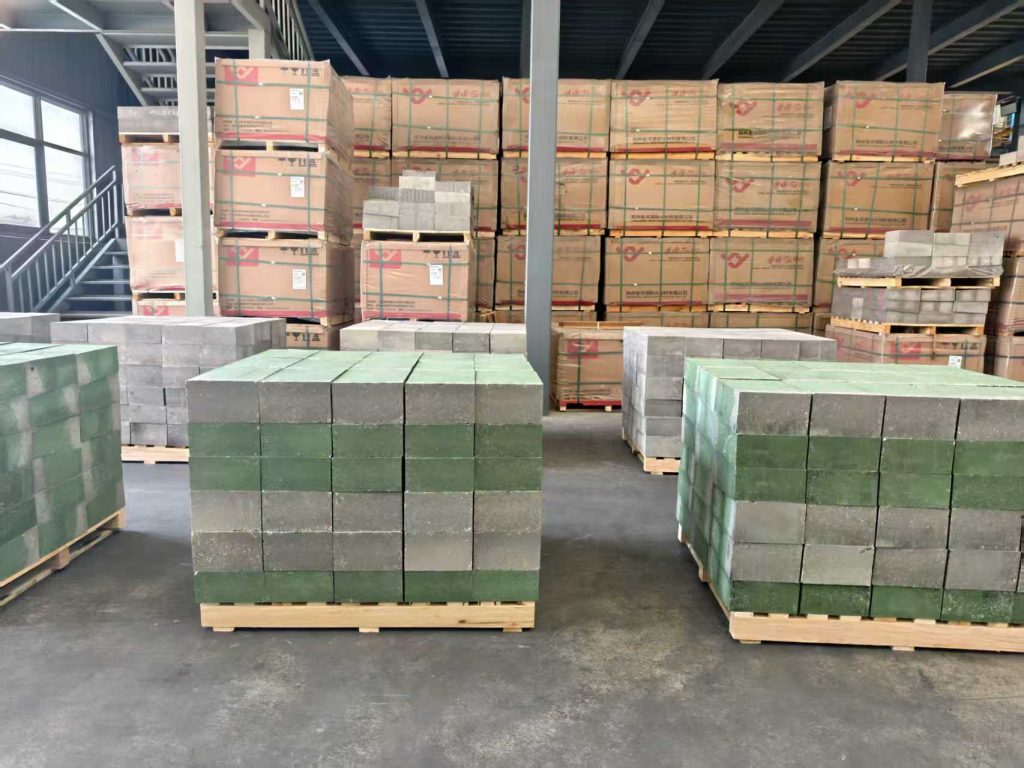
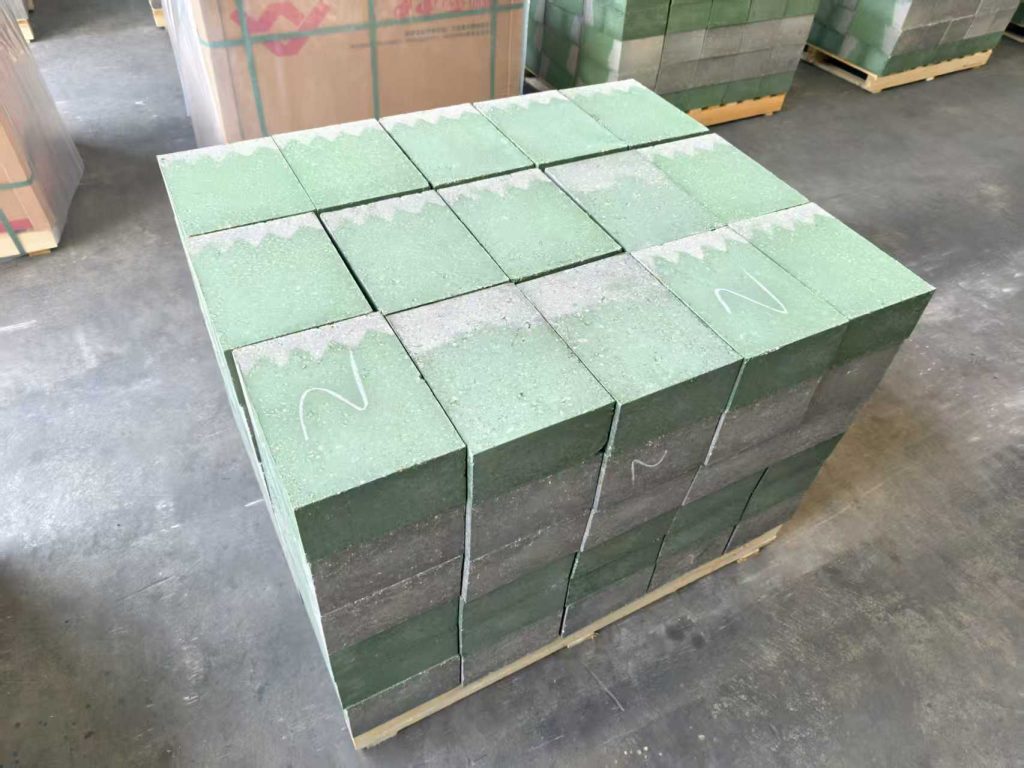
Refractory bricks are heavy and fragile enough to require proper packaging. JHYRef product pages commonly mention tray packaging of 1 metric ton or 1.5 metric tons, depending on product and project needs. Strong packaging adds cost, but weak packaging can cause breakage, edge damage, moisture problems, and site delays.
Incoterms also change the comparison. An FOB quote, CIF quote, CFR quote, or door-to-door quote includes different responsibilities. Two suppliers may appear far apart in price because one includes freight, insurance, or packaging and the other does not.
Here is a common procurement mistake: Buyer A compares only the unit price per ton. Supplier 1 is cheaper FOB, but uses weaker pallets and leaves freight to the buyer. Supplier 2 is higher per ton, but includes better packaging, faster shipment coordination, and clearer documents. Once damage risk and port cost are considered, Supplier 2 may have the lower project risk.
Always ask whether the quote is per piece, per ton, or per pallet, and confirm whether the price includes packaging, inland transport, port charge, ocean freight, insurance, and documents.
Quality Control and Documentation Are Part of The Price
Quality control is not a decoration on a refractory order. It is one of the ways a buyer reduces lining risk. Testing chemical composition, physical properties, dimensions, appearance, density, porosity, strength, and other required items takes equipment, staff, time, and records.
For a simple low-risk order, basic inspection may be enough. For steel, cement, lime, glass, nonferrous, or waste treatment furnaces, buyers may require stricter documentation. This can include technical data sheets, inspection reports, batch traceability, photos, packing lists, certificates, and third-party inspection if needed.
JHYRef emphasizes quality assurance and laboratory testing because refractory performance depends on consistency. A brick that passes a name-only description but fails density, porosity, or composition requirements can create serious site problems.
The price difference between suppliers may therefore reflect different quality systems. A lower-cost supplier may not include the same raw material control, batch inspection, or documentation. That may be acceptable for some simple uses, but risky for industrial furnace linings.
Application Fit Can Matter More Than Unit Price
The cheapest refractory brick is not always the lowest-cost brick. In furnace work, total cost includes purchase price, installation labor, dry-out or heat-up time, downtime, energy loss, repair frequency, and production interruption.
Consider a cement kiln transition zone. If the brick cannot handle coating instability, alkali attack, abrasion, and thermal cycling, early failure can force a shutdown. The saving from a lower brick price may disappear in one unplanned maintenance stop.
Or consider a steel ladle or electric arc furnace area. A brick that does not match slag chemistry, molten metal exposure, or thermal shock may wear quickly. In that case, the correct magnesia-based or carbon-containing refractory may cost more per ton but reduce total lining cost.
The same is true in lime kilns, glass furnaces, copper smelting furnaces, zinc oxide rotary kilns, and Waelz kilns. Each has its own temperature, atmosphere, chemical attack, dust abrasion, mechanical stress, and lining structure. Price should follow the working condition.
Market Conditions Can Move Refractory Brick Prices
Even when the technical specification stays the same, refractory brick price can change over time. Raw material costs, fuel and electricity costs, exchange rates, labor, packaging materials, freight rates, and port conditions all affect the final quotation.
This is why fixed price lists age quickly. A price collected from an old web page, an old project, or another country may not be useful for a current order. It may also ignore changes in brick size, grade, inspection requirements, and delivery terms.
For procurement teams, the practical approach is simple:
1. Use historical prices only as a rough reference.
2. Compare quotes using the same specification and Incoterms.
3. Ask suppliers to state what is included.
4. Confirm quote validity period.
5. Check whether raw material or freight volatility may affect delivery.
For long-term supply, buyers may also discuss framework pricing, scheduled shipments, and technical standard alignment. This is often better than buying each emergency order from the lowest spot quote.
How To Get an Accurate Refractory Brick Quotation
To get an accurate refractory brick quotation, send more than a product name. A useful request should include:
– Industry and furnace type.
– Specific lining zone.
– Operating temperature.
– Atmosphere, slag, alkali, metal, dust, abrasion, or thermal cycling condition.
– Current lining material, if known.
– Current failure problem, such as cracking, spalling, washout, corrosion, or high shell temperature.
– Required brick type or expected material system.
– Brick size, drawing, or standard code.
– Quantity by each shape and grade.
– Destination country, port, or site.
– Packaging requirement.
– Required standard, inspection report, or certificate.
– Delivery schedule and Incoterms.
If you are not sure which brick to choose, describe the working condition instead of forcing a product name. JHYRef can help compare refractory brick materials for the application and suggest a suitable starting point.
For quotation support, contact JHYRef with your furnace conditions, size, drawing, quantity, and destination. A clear inquiry helps the technical and sales team give a more accurate recommendation and avoid unnecessary price revisions.
FAQ About Refractory Brick Price
The main factor is the material and grade required for the furnace condition. Fireclay, high alumina, magnesia, magnesia chrome, corundum, insulating, and fused cast bricks use different raw materials and production processes, so their prices can vary widely.
Yes, custom refractory bricks are usually more expensive than standard bricks because they may require drawings, molds, special forming, tighter tolerances, separate inspection, and more careful packaging. Complex shapes can also have higher drying and firing loss.
Often yes. Larger standard orders can reduce unit cost because production setup, batching, kiln loading, packaging, and documentation are spread across more bricks. Mixed small-quantity special shapes may still have a higher unit price.
Conclusion
Refractory brick price is not a single catalog number. It is the result of material grade, raw material purity, performance requirements, shape, production process, quantity, packaging, freight, quality control, and furnace risk.
For a reliable comparison, do not ask only “How much per ton?” Ask what grade is being quoted, what standard it meets, what packaging and delivery terms are included, and whether the brick matches the actual working condition.
A clearer inquiry usually leads to a faster, more accurate, and more useful refractory brick price.