Description
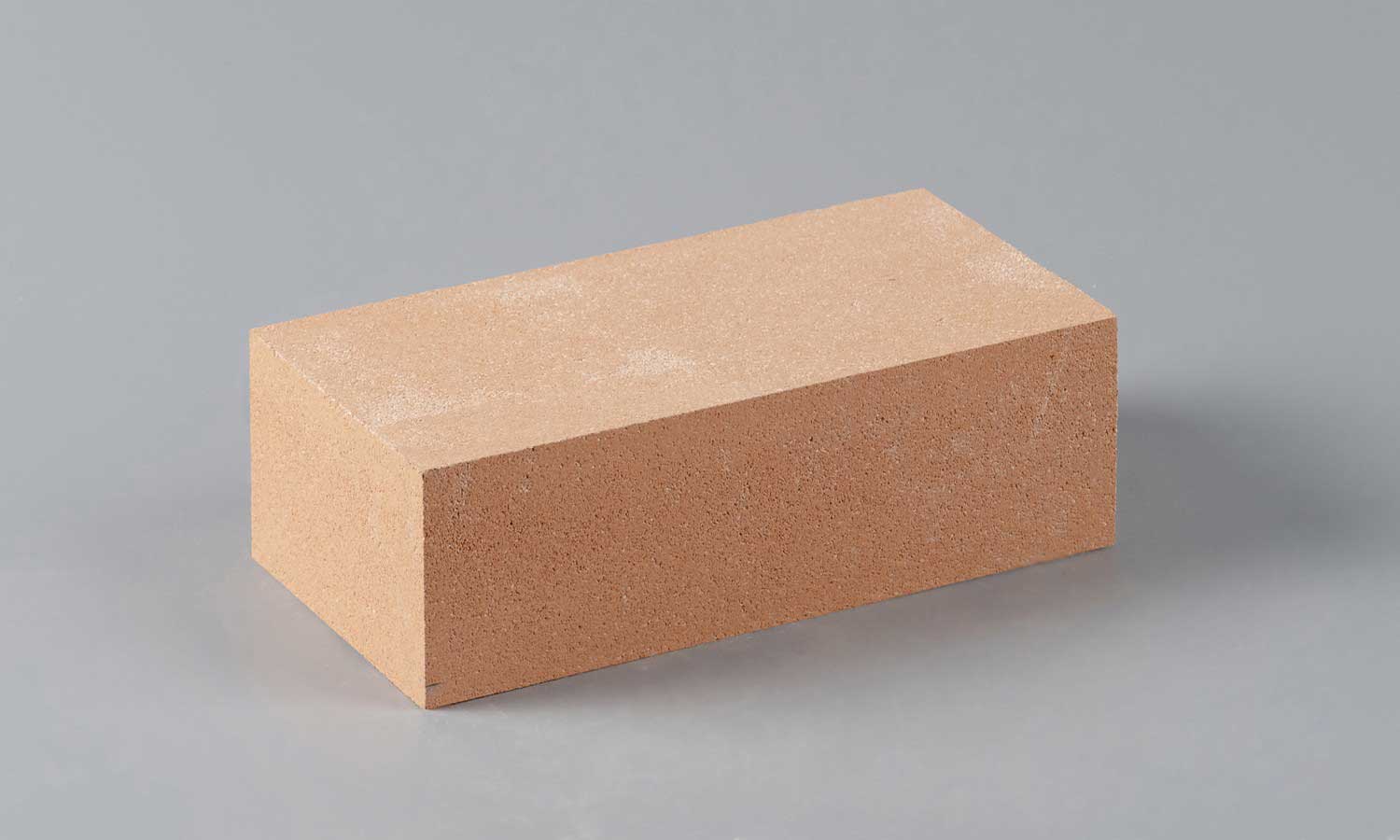
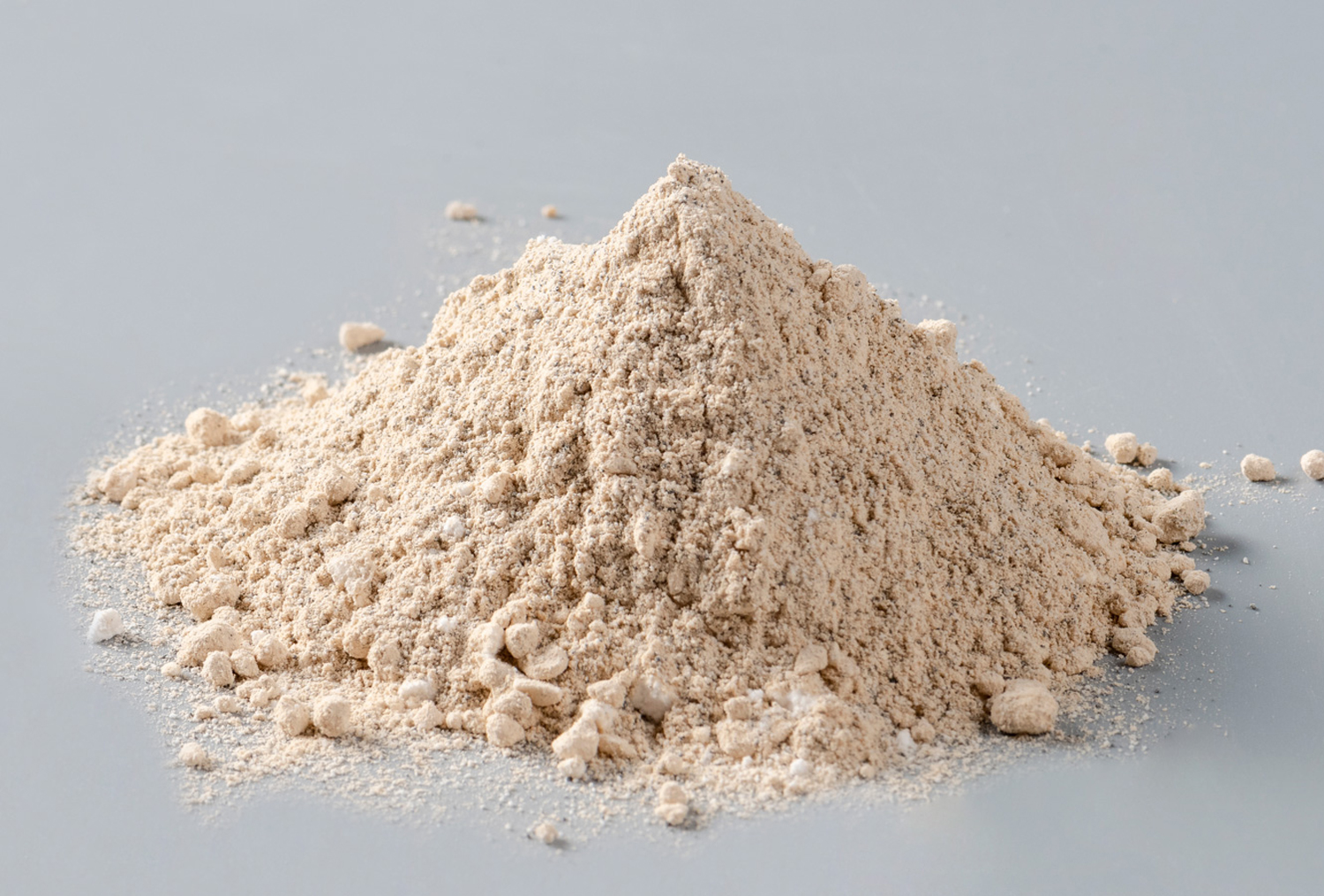
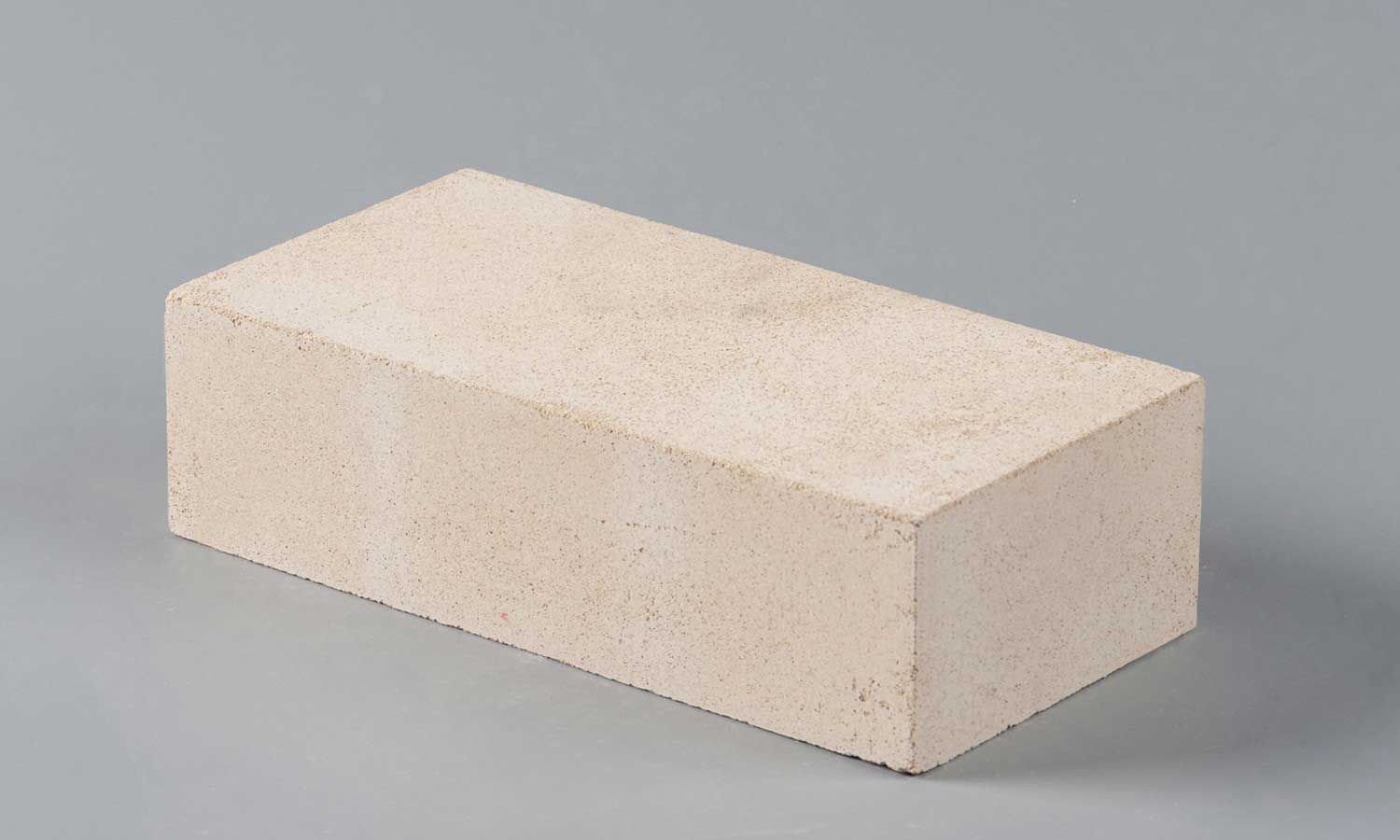
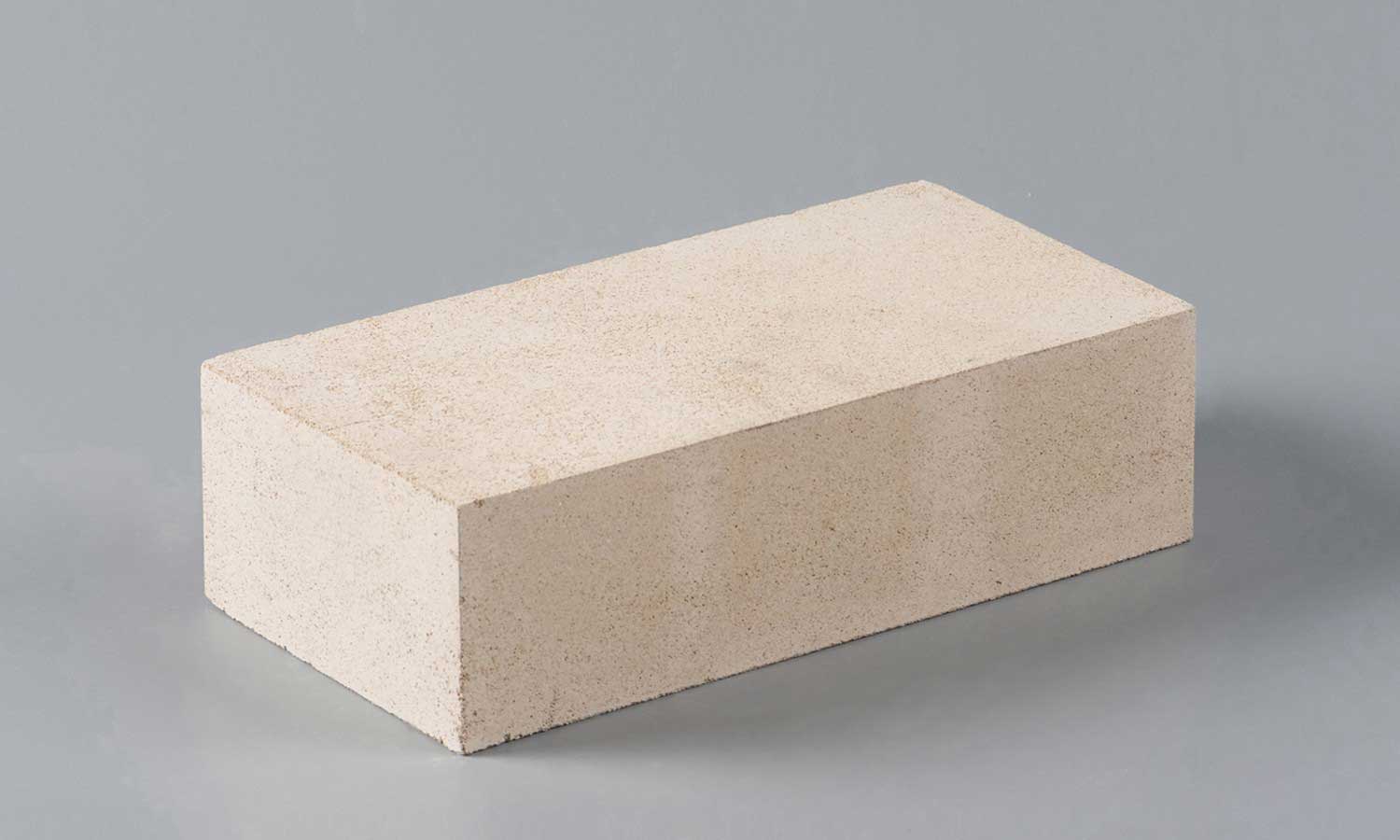
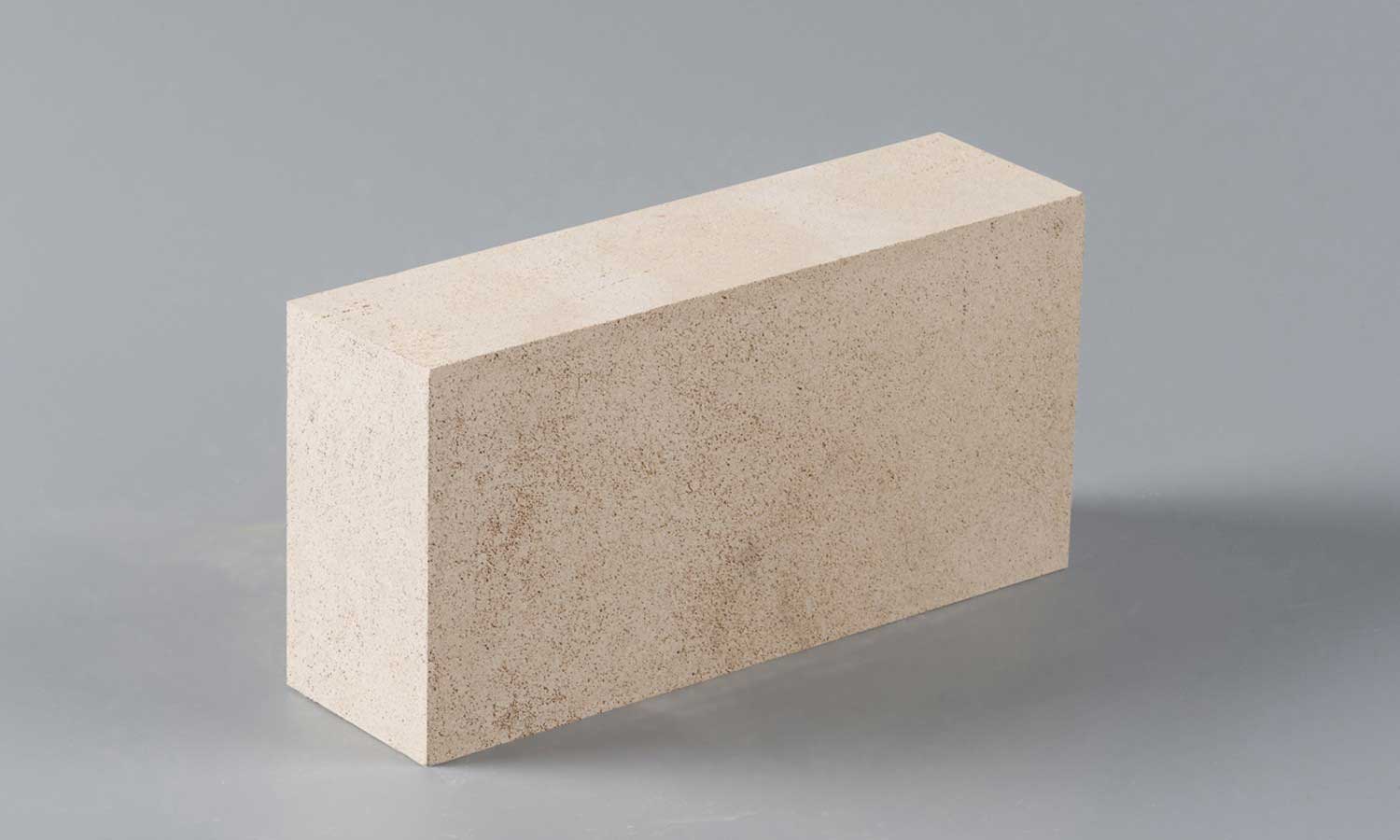
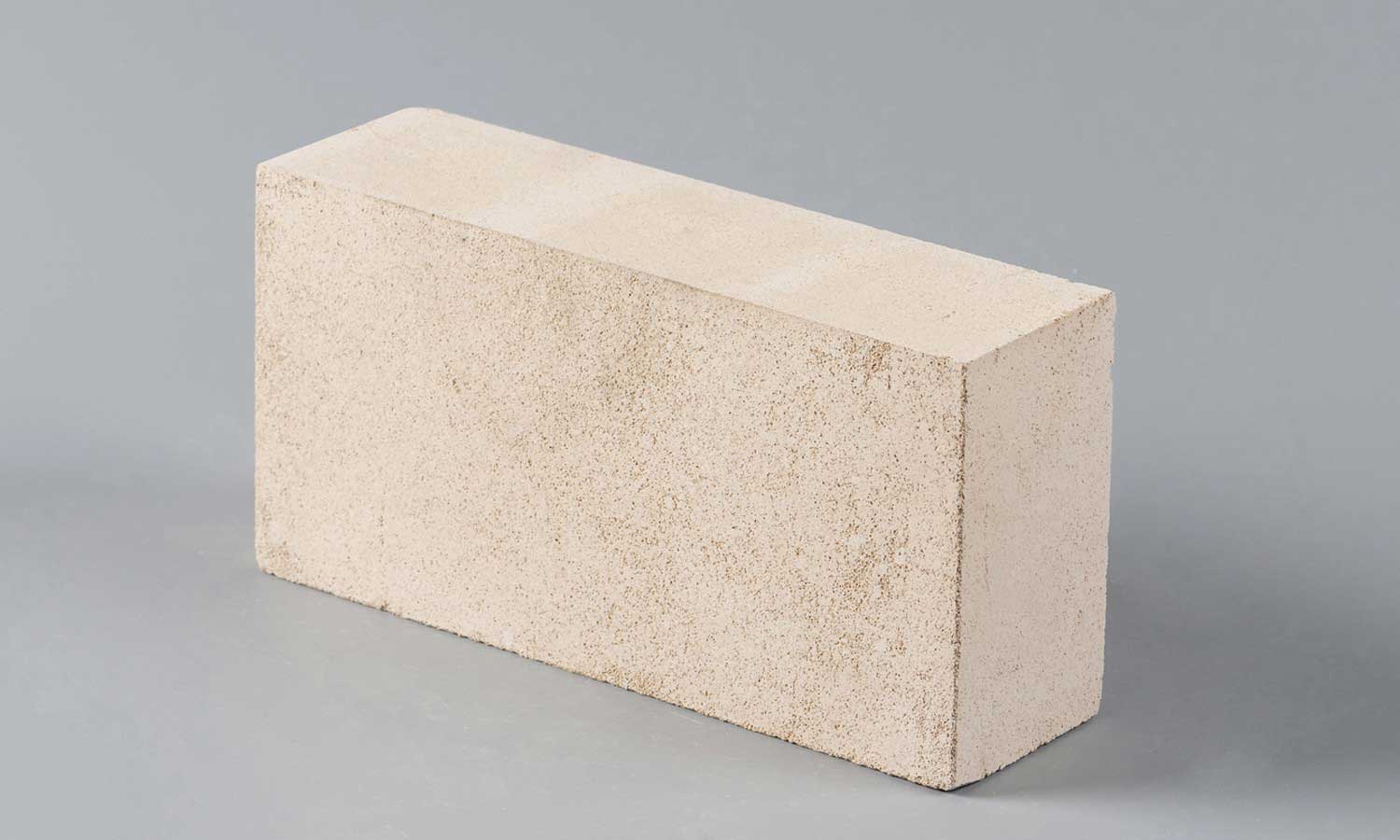
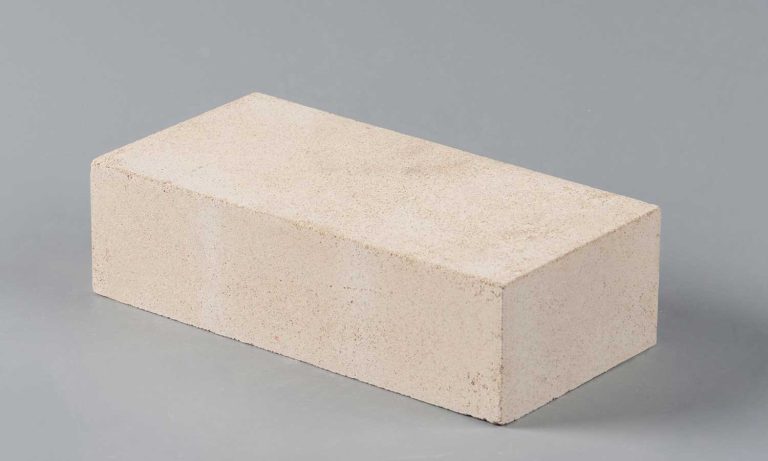
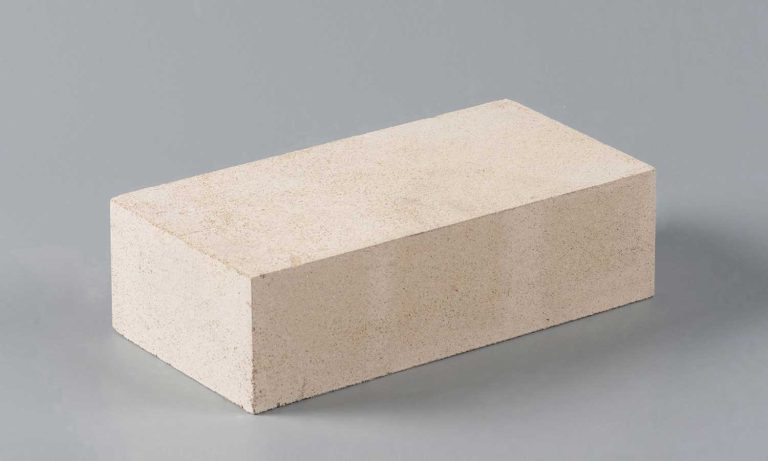
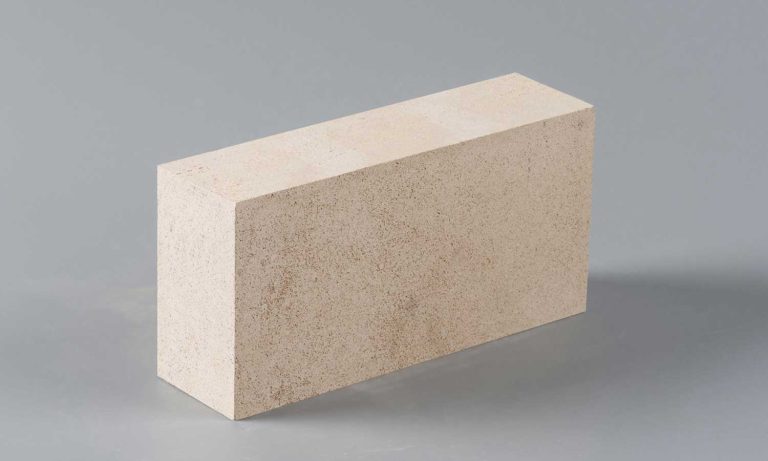
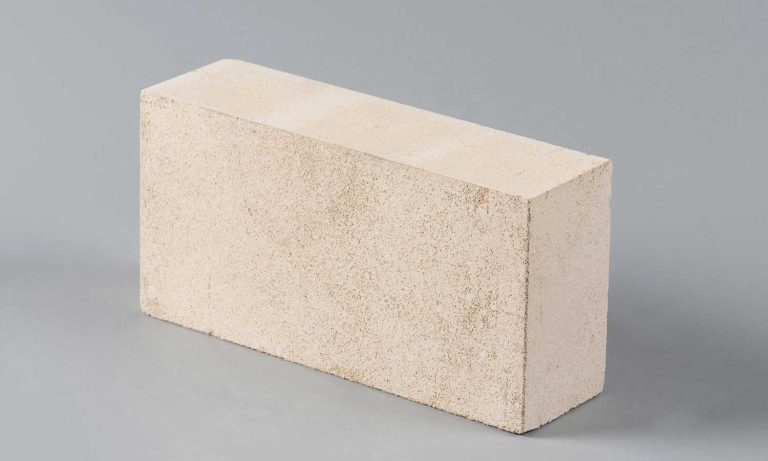
High alumina insulating brick is a kind of heat-insulating refractory product made primarily from bauxite, with an Al2O3 content of no less than 50%. They are mainly produced using bauxite clinker, combined with clay as raw materials, and mixed with binders and sawdust. To enhance the product’s performance, industrial alumina, corundum, sillimanite, kyanite and silica are added in fine powder form to produce products with with bulk density grades typically ranging from 0.6 to 1.3 g/cm³.
Advantages: The characteristics of high alumina insulation bricks include light weight, excellent thermal insulation properties (low thermal conductivity), high refractoriness, excellent thermal stability and mechanical strength.
Related Products
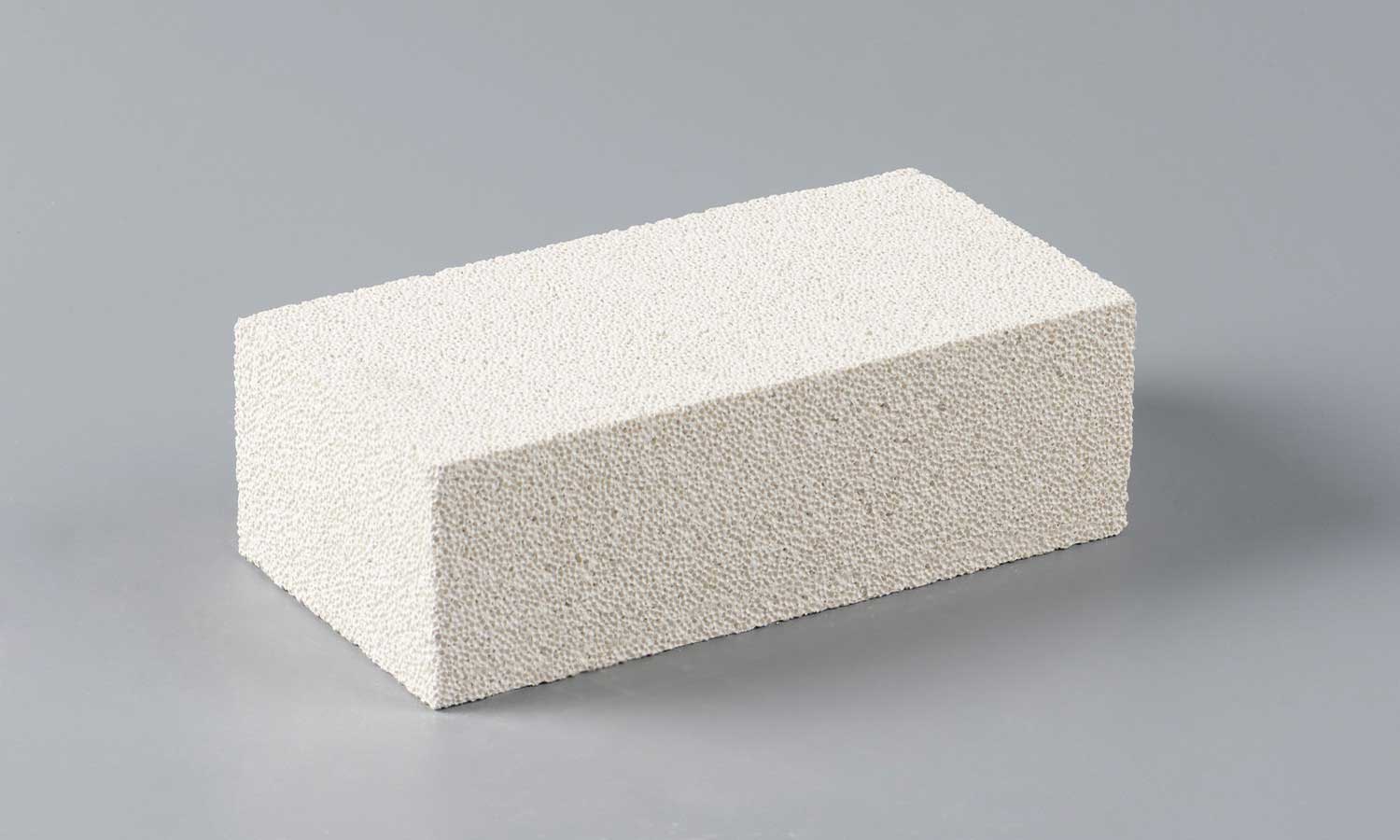
Poly lightweight alumina brick: used for furnaces lining and insulation layers ≤1350℃, more>
Light weight fireclay brick: used as insulating brick, with an alumina content of 30% to 46%, more>
Alumina bubble brick: a type of ultra-high temperature energy-saving thermal insulation brick, more>
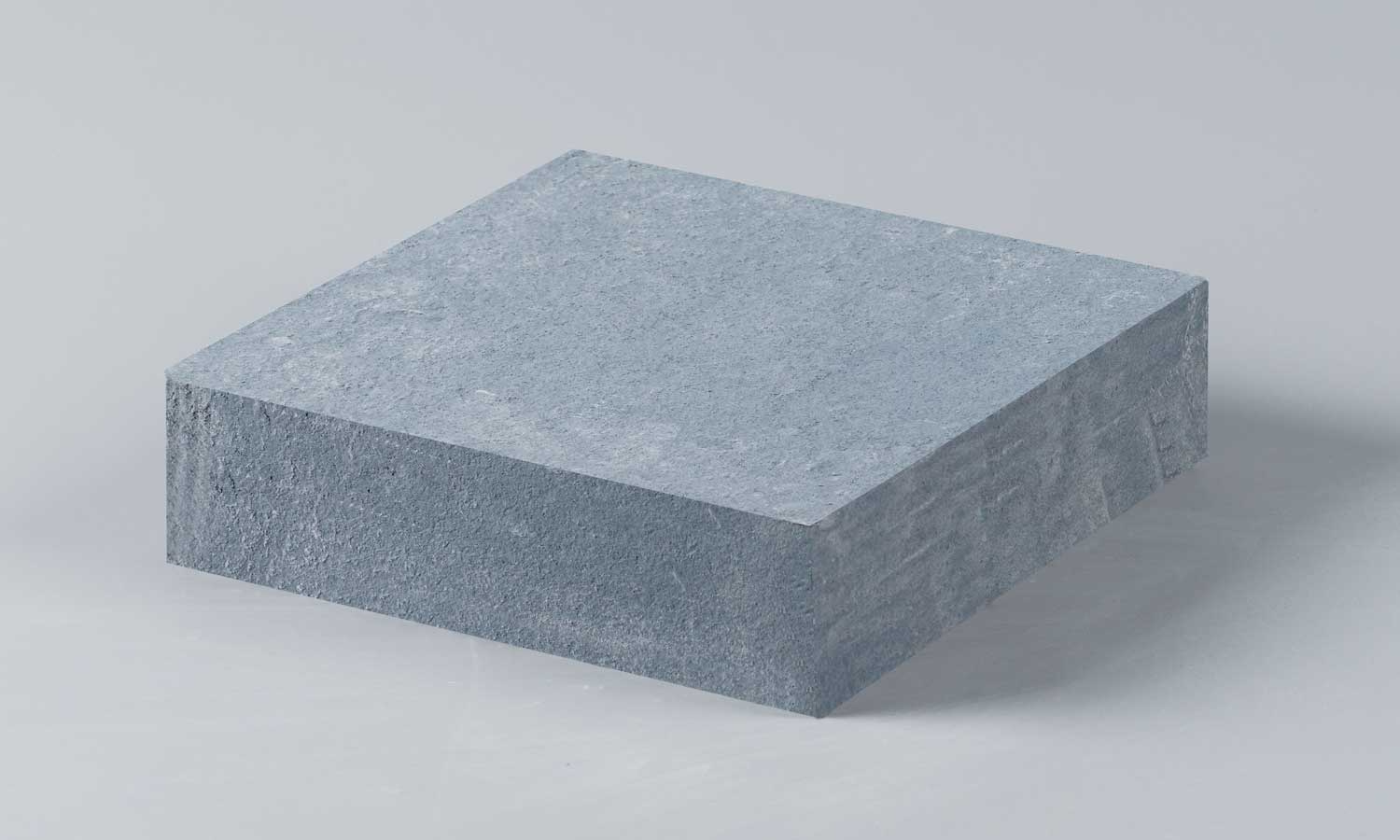
Nano insulation board: a micro-porous structure of high-efficiency thermal insulation board, more>
Key Features
JHYRef high alumina insulating bricks are designed for furnace and kiln insulation layers where low heat loss, light weight and stable refractory performance are required. With Al2O3 content of no less than 50%, these bricks provide reliable insulation performance for high-temperature industrial equipment.
The low bulk density, from 0.6 to 1.3 g/cm3 depending on the grade, helps reduce the overall weight of furnace lining structures. Compared with dense refractory bricks, high alumina insulating bricks are more suitable for backup insulation layers and heat preservation areas where direct wear, slag erosion or heavy mechanical load is not the main working condition.
Their low thermal conductivity helps reduce heat transfer through furnace walls, supporting better heat retention and energy-saving furnace design. The product range also offers different strength and density options, allowing users to select a suitable grade according to furnace temperature, insulation thickness and lining structure.
Specification
| Item | Grade | |||
| ALUSON13 L | ALUSON10 L | ALUSON08 L | ALUSON06 L | |
| ω(Al2O3) / % ≥ | 72 | 60 | 55 | 50 |
| ω(Fe2O3) / % ≤ | 1.0 | 1.0 | 1.0 | 1.0 |
| Bulk Density / g/cm3 ≤ | 1.3 | 1.0 | 0.8 | 0.6 |
| CCS / MPa ≥ | 5.0 | 3.0 | 2.5 | 1.5 |
| Permanent Linear Change / % | -1.0~0.5 (1700℃) | -1.0~0.5 (1600℃) | -1.0~0.5 (1500℃) | -1.0~0.5 (1350℃) |
| Thermal Conductivity / W/m·K ≤ | 0.60 (350℃) | 0.50 (350℃) | 0.35 (350℃) | 0.25 (350℃) |
| Maximum Temperature / ℃ | 1300 | 1200 | 1100 | 1000 |
Product Size: We offer refractory brick sizes that comply with ISO, EN, ASTM, JIS, etc, and customized sizes.
Applications
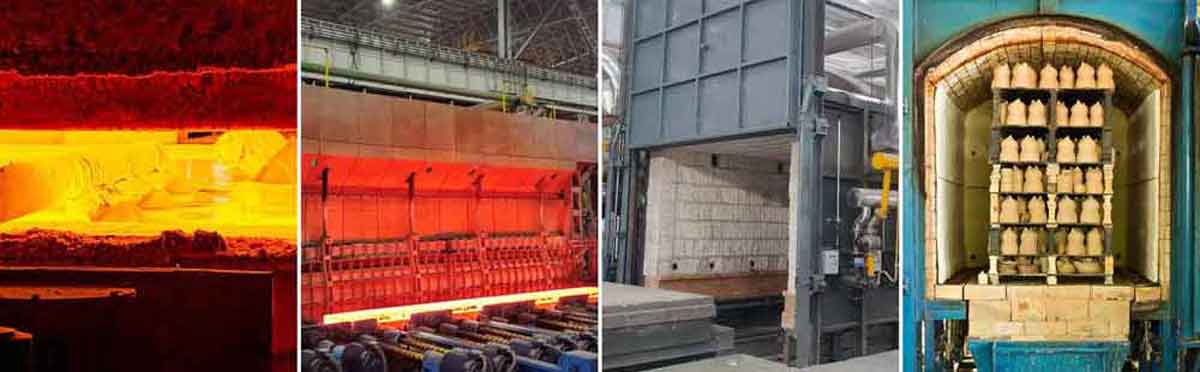
High alumina insulating bricks are widely used as an insulation layer in reheating furnaces and soaking pits in the steel industry, shuttle kilns and roller kilns in the ceramics industry, and glass melting furnaces in the glass industry. It can also be used as an insulation layer in high-temperature equipment such as cracking furnaces and reforming furnaces in the petrochemical industry.
Custom Sizes and Shapes
JHYRef supplies high alumina insulating bricks in standard refractory brick sizes that comply with ISO, EN, ASTM and JIS requirements. Customized sizes can also be supplied according to furnace drawings, installation requirements or special lining structures.
Besides standard straight bricks, shaped insulating bricks can be considered for areas such as arches, corners, openings, furnace doors, kiln cars and other special positions. Custom brick dimensions help reduce cutting work on site and improve the matching accuracy of the insulation lining.
For projects with specific furnace structures, customers can provide drawings or working conditions for product selection and size confirmation.
Service Support
JHYRef can provide technical support for refractory product selection, lining structure discussion and installation-related requirements. According to project needs, refractory installation drawings, refractory brick and castable matching solutions, masonry service support, special shaped bricks, insulation materials and installation supervision can be discussed.
For furnace maintenance or lining problems, technical communication can also be provided based on the actual operating conditions, damaged lining photos or project information. This helps customers choose suitable refractory materials and improve the reliability of the insulation lining system.