Refractory failure is a rather complex issue that usually depends on actual operating conditions and needs to be evaluated case by case. Among various high-temperature rotary kilns, cement rotary kilns are one of the most typical and frequent scenarios where refractory failure occurs. This article analyzes the common causes of refractory failure in cement rotary kilns and presents practical prevention measures.
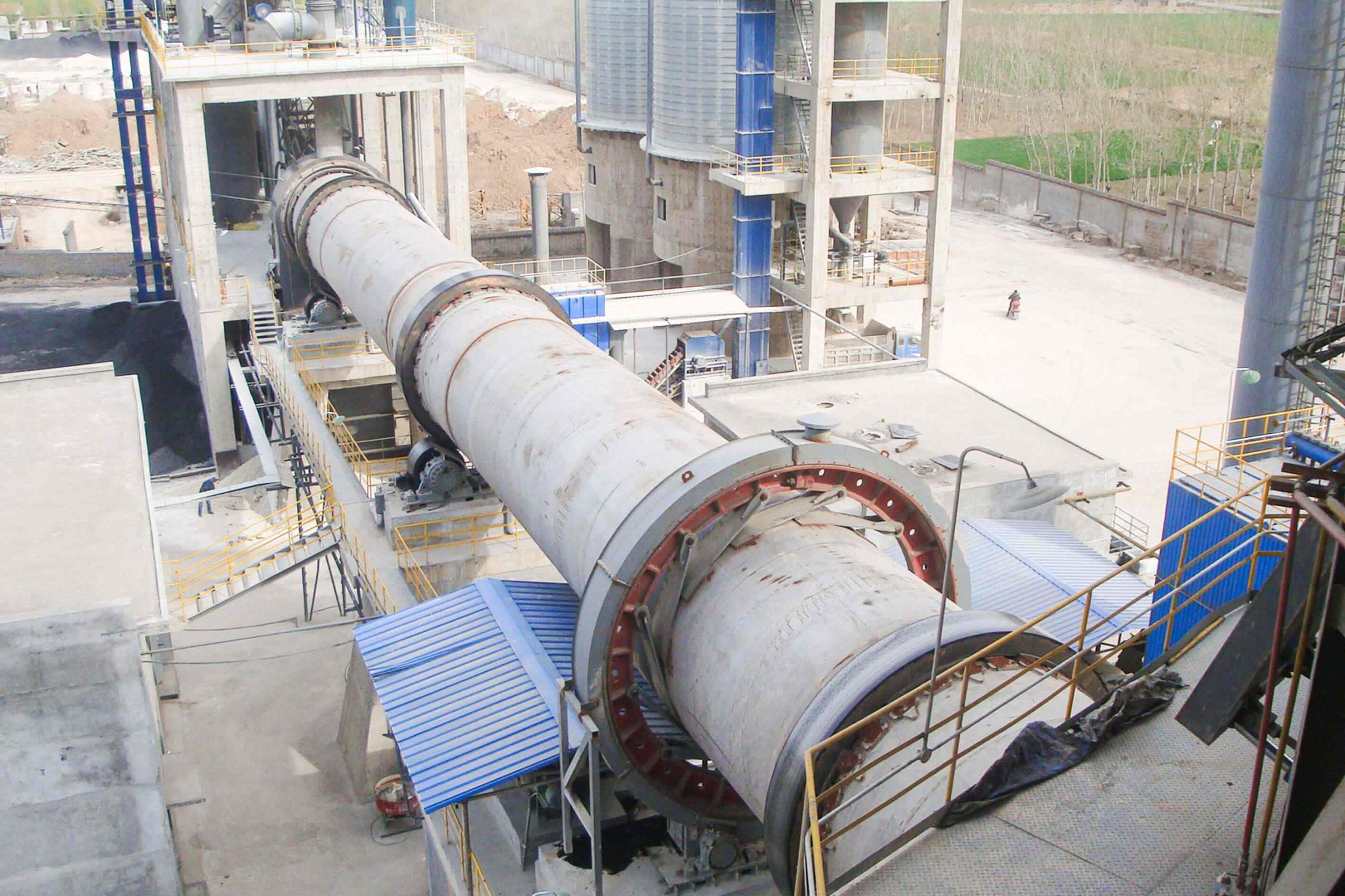
What is Refractory Failure?
Refractory failure means that the refractory materials lose their protective and insulating functions too early or suffer a sharp drop in performance due to various reasons. This can significantly reduce the kiln’s efficiency and, in serious cases, lead to unplanned shutdowns, resulting in substantial economic losses.
Common Causes of Refractory Failure in Cement Rotary Kilns
Problems with refractory materials inside a cement rotary kiln mainly occur in the burning zone. This area operates at extremely high temperatures and therefore has the shortest service life. The reasons for the shortened service life of refractory bricks in this zone may include the following:
1.Kiln coating issues
In modern cement production, a kiln coating is formed to protect the refractory bricks. If the kiln coating is unstable or poorly formed, the service life of the refractory bricks will be significantly reduced.
2.Coal injection pipe issues
Improper control of the coal injection pipe—such as incorrect angle, airflow rate, or air pressure—can cause the flame to directly contact the refractory bricks, greatly shortening their service life.
3.Installation (brickwork) issues
Alkaline bricks are generally used in the high-temperature zone of cement rotary kilns, and these bricks have a relatively high thermal expansion coefficient. If expansion joints are not properly allowed for, or if installation is not carried out according to specifications, the refractory bricks may crack during operation due to compressive and shear stresses.
4.Frequent kiln shutdowns
Since the refractory bricks used in the high-temperature zone are typically alkaline bricks with relatively poor thermal shock resistance, frequent kiln shutdowns can lead to spalling and peeling of the refractory lining.
Preventive Maintenance Measures
1.Select suitable refractory bricks for the high-temperature zone and optimize the cement calcination process to ensure a stable kiln coating.
2.Control coal injection pipes scientifically, avoiding frequent adjustments of angle, air pressure, and airflow.
3.Strictly follow refractory brick installation standards to ensure proper laying and expansion gaps.
4.Avoid frequent kiln shutdowns to reduce thermal shock and prevent spalling of the refractory lining.
Although refractory failure may seem like a localized lining issue, it directly affects the overall operating costs and production continuity of the entire cement kiln system. Taking the cement rotary kiln as an example, understanding the common causes of refractory failure and implementing effective preventive measures is of great practical significance.
JHYRef focuses on providing comprehensive refractory material solutions for cement kilns. Learn more about our cement kiln refractory solutions. If you have any questions, feel free to contact us!