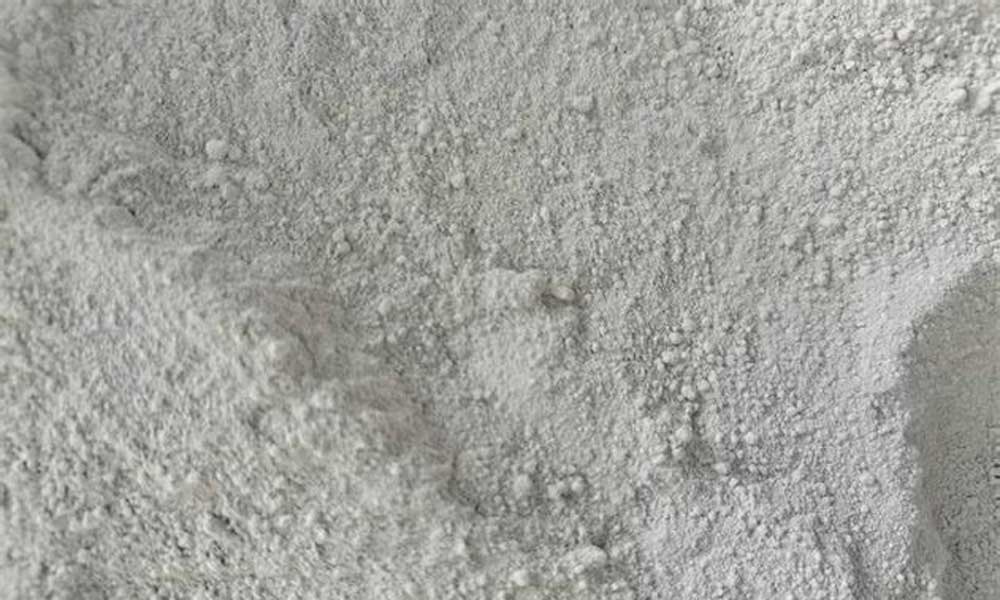
Ramming mass is an unshaped refractory lining material made from graded refractory aggregates, fine powder, binders, and selected additives. It is compacted directly into furnaces, ladles, troughs, runners, and repair areas, then sintered by heat to form a dense monolithic refractory lining.
Unlike refractory bricks, ramming mass does not rely on fixed shapes or many masonry joints. Unlike many castables, it is usually installed by mechanical ramming or pneumatic tools instead of being poured into place with added water. That makes it useful for irregular furnace areas, quick lining repair, and working zones where a tight joint-free lining is important.
What is Ramming Mass?
Ramming mass is a monolithic refractory material used to build or repair furnace linings without shaped bricks. The material is placed in layers and compacted tightly against the working surface. After drying, heating, or sintering, the compacted lining becomes a dense refractory barrier that resists heat, slag, metal penetration, erosion, and mechanical wear.
The term “monolithic” means the lining is formed as one continuous body. This is one of the main reasons ramming mass is widely used in industrial furnaces. Fewer joints mean fewer weak paths for slag or molten metal to penetrate. A dense rammed lining also adapts better to curved surfaces, corners, bottom sections, and areas where shaped refractory bricks are hard to install.
Ramming mass is used in steelmaking, non-ferrous smelting, foundries, cement plants, glass furnaces, ladles, tundishes, runners, troughs, and many high-temperature repair zones. The exact material grade must match the working environment. A silica ramming mass used in an acidic induction furnace lining is very different from a magnesia ramming mass used in a basic slag zone.
What Is Ramming Mass Made Of?
Most refractory ramming mass contains three core components: refractory aggregate, fine powder, and binder. Some formulas also include mineralizers, sintering aids, anti-penetration additives, or other performance modifiers.
| Component | Function in Ramming Mass |
|---|---|
| Refractory aggregate | Provides the main high-temperature skeleton of the lining. |
| Fine powder | Fills voids between aggregate particles and improves density after compaction. |
| Binder | Helps the material hold shape before sintering or ceramic bonding develops. |
| Additives | Adjust sintering behavior, workability, corrosion resistance, or volume stability. |
| Particle grading | Controls packing density, ramming behavior, permeability, and lining strength. |
Particle grading is especially important. A good ramming mass is not just crushed refractory material in a bag. The coarse, medium, fine, and powder fractions must be balanced so the lining compacts tightly with fewer voids. If the material is poorly graded, the lining may have weak density, higher permeability, and faster slag or metal penetration.
Moisture control also matters. Some ramming masses are supplied dry and require controlled binder addition. Others are supplied ready for installation. Too much moisture can increase steam pressure during heating and cause cracking or spalling. Too little binder can make the lining hard to compact and easy to loosen before sintering.
Ramming Mass vs Castable vs Refractory Brick
Ramming mass, refractory castable, and refractory brick all protect high-temperature equipment, but they are installed and used differently.
| Item | Ramming Mass | Refractory Castable | Refractory Brick |
|---|---|---|---|
| Form | Loose or semi-dry monolithic material | Powder mix installed with water or liquid binder | Pre-shaped fired or unfired brick |
| Installation | Rammed and compacted in layers | Poured, vibrated, or cast into formwork | Laid with refractory mortar or dry joints |
| Joint structure | Few or no joints | Few or no joints | Many joints between bricks |
| Best use | Furnace bottoms, induction furnace linings, runners, troughs, repair zones | Large monolithic linings, burner blocks, roofs, walls, repairs | Standard furnace walls, arches, kilns, ladles, checkerwork |
| Main advantage | Dense lining in irregular or high-wear areas | Flexible shape and easier casting for large sections | Predictable shape, strength, and installation layout |
| Main risk | Poor compaction or heating can reduce lining life | Poor water control or curing can cause cracking | Joints can become penetration paths |
In practice, these materials often work together. A furnace may use refractory bricks in structural wall sections, castables in larger monolithic areas, and ramming mass in the bottom, hearth, metal contact zone, or local repair area.
Main Types of Ramming Mass
The best ramming mass type depends on chemistry and service conditions. Acidic, neutral, and basic furnace environments require different refractory systems.
| Type | Main Raw Material | Best-Fit Environment | Common Applications | Main Limitation |
|---|---|---|---|---|
| Alumina ramming mass | High alumina aggregate and powder | Neutral to mildly acidic or selected high-temperature zones | Ladles, furnace bottoms, hearth repair, steel and non-ferrous applications | Grade must match slag chemistry and thermal shock conditions. |
| Silica ramming mass | High-purity silica | Acidic furnace environments | Induction furnace lining for cast iron and selected non-ferrous melting | Not suitable for strong basic slag attack. |
| Magnesia ramming mass | Magnesia or magnesia-based raw material | Basic slag environments | Steelmaking, converters, ladles, EAF repair, basic furnace zones | Sensitive to hydration and storage conditions if not handled correctly. |
| Silicon carbide ramming mass | Silicon carbide with refractory binders | Abrasion, erosion, and thermal shock zones | Troughs, runners, tapping channels, incinerator and non-ferrous areas | Usually higher cost and must be selected for the actual atmosphere. |
Alumina Ramming Mass
Alumina ramming mass is selected where high refractoriness, wear resistance, and neutral refractory behavior are needed. It can be used in furnace bottoms, ladles, transfer channels, and repair areas exposed to high temperature and moderate slag attack.
The alumina content, impurity level, binder system, and particle size distribution influence performance. Higher alumina grades usually provide stronger high-temperature performance, but the right choice still depends on the furnace zone and slag chemistry.
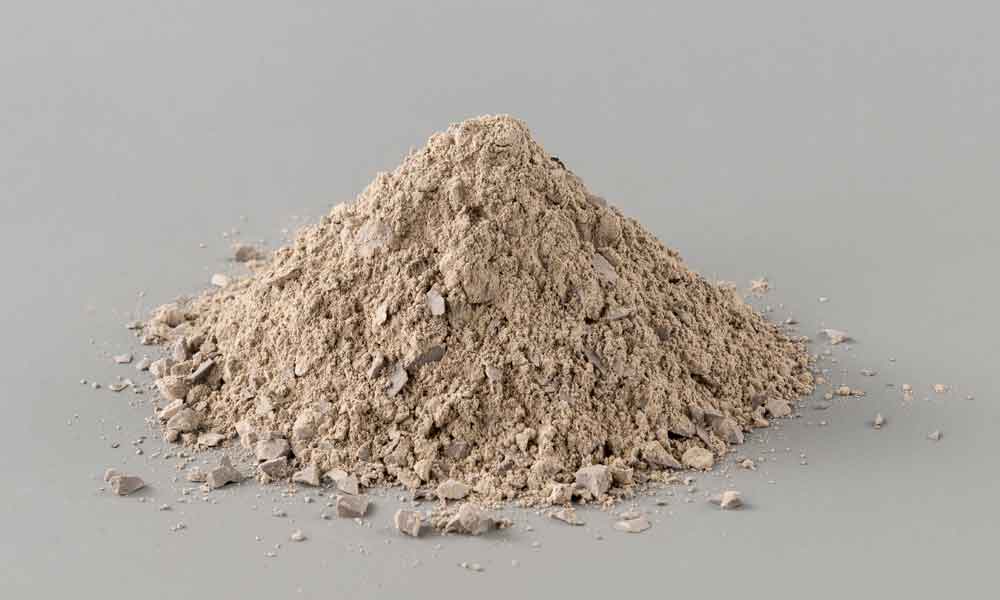
Silica Ramming mass
Silica ramming mass is widely used as an acidic lining material, especially in induction furnace applications for cast iron and certain non-ferrous metals. It forms a sintered lining during heating and can provide stable service when the furnace chemistry is compatible.
The main selection points include SiO2 purity, grain distribution, binder or mineralizer content, sintering behavior, and resistance to metal penetration. Silica ramming mass should not be chosen for strong basic slag environments, because chemical attack can shorten lining life.

Magnesia Ramming mass
Magnesia ramming mass is a basic refractory ramming material used where basic slag resistance is required. It is common in steelmaking furnaces, ladle working linings, converters, electric furnace repair, and other alkaline high-temperature zones.
Because magnesia materials can be sensitive to hydration, storage and handling are important. The material should be kept dry, sealed, and protected from moisture before use. If the product absorbs moisture, installation quality and lining performance can suffer.
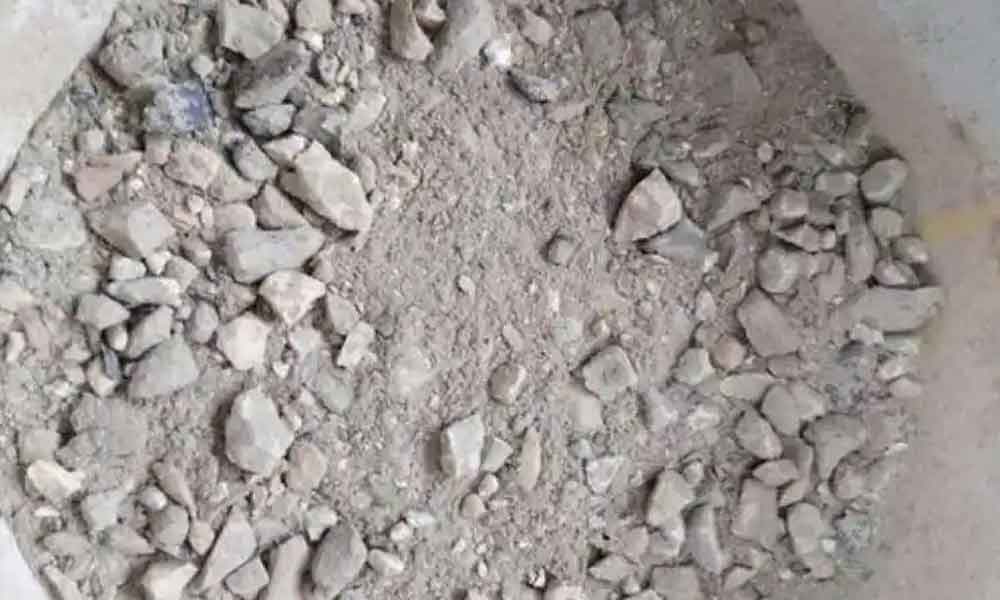
Silicon carbide ramming mass
Silicon carbide ramming mass is used where abrasion, erosion, and thermal shock are severe. It is often selected for troughs, runners, tapping channels, metal flow areas, and industrial equipment exposed to high wear.
Silicon carbide can perform well in demanding service, but atmosphere and chemistry must be checked. Some furnace environments can oxidize or attack SiC more aggressively than others. A technical supplier should confirm whether SiC ramming mass is the right choice for the specific equipment.
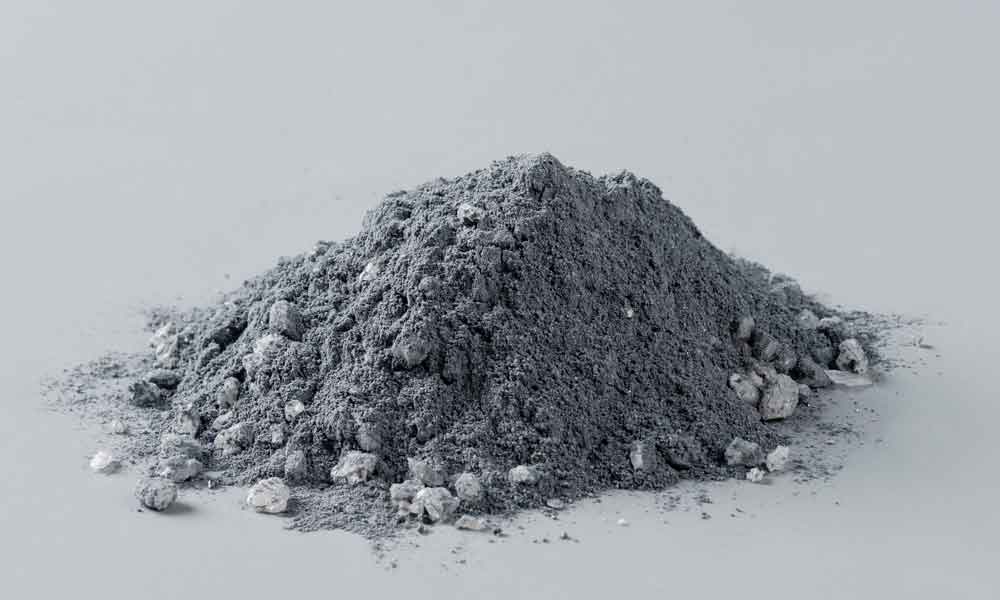
Where Is Ramming Mass Used?
Ramming mass is most valuable in areas that need a dense, joint-free, repairable refractory lining. Common applications include:
– Induction furnaces: Silica ramming mass is commonly used for acidic linings, while alumina or magnesia systems may be used for other melting conditions.
– Electric arc furnaces and steelmaking equipment: Magnesia and alumina ramming mass can be used for hearths, bottoms, banks, and repair zones.
– Ladles and tundishes: Ramming mass can repair impact areas, bottoms, and selected working lining zones.
– Troughs and runners: Silicon carbide or alumina ramming mass helps resist erosion from flowing metal and slag.
– Cement and lime equipment: Ramming materials can be used for local repair and high-wear areas, depending on the zone.
– Non-ferrous smelting: Alumina, magnesia, or SiC-based ramming materials may be selected according to slag chemistry and abrasion.
– Refractory lining repair: Ramming mass can fill damaged areas where shaped bricks or castables are not practical.
The same product should not be copied from one furnace to another without checking conditions. A ramming mass that performs well in an acidic cast iron furnace may fail quickly in a basic steelmaking zone.
How Ramming Mass Works During Sintering
After installation, ramming mass must develop strength through drying, bonding, and sintering. During heating, the binder system first helps the compacted body hold together. As the temperature rises, ceramic bonding or sintered bonding develops between particles, creating a stronger refractory lining.
A good sintered layer protects the working face from metal and slag. Behind that layer, the colder part of the lining may remain less sintered and can act as a buffer. This structure is common in some induction furnace linings, where the working surface becomes dense while the back layer remains more elastic.
Heating too fast can damage this process. If moisture or volatile components escape too quickly, cracks, steam pressure, or weak areas can form. That is why the heating schedule, furnace startup procedure, and supplier instructions should be followed closely.
How to Choose the Right Ramming Mass
Choosing ramming mass starts with the furnace condition, not the product name. The supplier needs to understand the working environment before recommending a material.
| Selection Factor | Why It Matters |
|---|---|
| Furnace type | Induction furnace, EAF, ladle, runner, trough, rotary kiln, and repair areas have different stresses. |
| Metal or slag chemistry | Acidic, basic, and neutral conditions require different refractory systems. |
| Working temperature | Higher temperature requires stronger refractoriness and volume stability. |
| Abrasion and erosion | Flowing metal, slag, clinker, or dust can wear the lining mechanically. |
| Thermal shock | Frequent heating and cooling requires stronger thermal shock resistance. |
| Installation method | Manual ramming, pneumatic ramming, hot repair, and cold repair require different workability. |
| Target lining life | Campaign length and cost per heat may influence grade selection. |
A practical starting point is simple: use silica ramming mass for compatible acidic induction furnace linings, magnesia ramming mass for basic slag environments, alumina ramming mass for neutral high-temperature zones, and silicon carbide ramming mass for severe abrasion or erosion. Then confirm the final grade with actual operating data.
Installation Guidelines for Ramming Mass
Good ramming mass can still fail if it is installed poorly. Installation should follow the product datasheet, furnace design, and applicable construction standards. The original JHYRef article referenced GB 50211-2014, Code for Construction and Acceptance of Industrial Furnace Masonry Engineering. The practical points below follow the same engineering logic.
1. Prepare the surface properly. Remove loose material, slag, dust, oil, and damaged refractory before installation. A clean base helps the new lining compact and bond correctly.
2. Control layer thickness. Install ramming mass in layers instead of placing a thick loose pile at once. Layers around 100 mm or less are commonly easier to compact evenly, but the final value should follow the supplier’s instruction.
3. Compact each layer evenly. Pneumatic or mechanical ramming should create uniform density across the lining. Weak compaction leaves voids that can become penetration paths.
4. Roughen between layers when needed. If the next layer is placed after delay or surface drying, roughening can improve interlayer bonding.
5. Control the heating schedule. Drying and sintering should be gradual enough to release moisture and develop strength without cracking.
6. Follow hot ramming requirements. For hot repair work, material type, site temperature, operator protection, and work speed must be controlled carefully.
For critical furnace linings, do not rely on general rules alone. Ask the supplier for a written installation method, ramming tool recommendation, heating curve, and inspection checklist.
Common Ramming Mass Installation Mistakes
Many ramming mass failures come from installation rather than the material itself. The most common mistakes include:
– Using the wrong material chemistry: Acidic, basic, and neutral linings are not interchangeable.
– Poor storage before installation: Moisture contamination can affect binder behavior and lining strength.
– Uneven compaction: Soft areas can become channels for slag or molten metal penetration.
– Over-thick layers: Thick layers are difficult to compact uniformly from top to bottom.
– Rushed heating: Fast startup can cause steam pressure, cracking, or weak sintering.
– Ignoring furnace history: Existing damage, shell deformation, hot spots, or slag buildup can cause early failure even with good material.
A useful rule is to record installation conditions. Note batch number, material quantity, layer thickness, ramming tool, installation time, heating curve, first heat condition, and lining wear after operation. This data helps improve the next campaign.
Common Ramming Mass Lining Failure Causes
When a ramming mass lining fails early, the cause is usually a combination of material selection, installation quality, and operating conditions. Common failure modes include:
| Failure Mode | Possible Cause | What to Check |
|---|---|---|
| Cracking | Fast heating, moisture, poor sintering, thermal shock | Heating schedule, storage, binder system, startup procedure |
| Slag penetration | Wrong chemistry, high porosity, weak compaction | Slag basicity, material type, density, particle grading |
| Erosion | High metal flow, abrasive slag, wrong material grade | Flow path, tapping temperature, SiC or alumina grade options |
| Delamination | Poor interlayer bonding or interrupted installation | Layer timing, surface roughening, compaction method |
| Premature wear | Material not matched to furnace duty | Temperature, slag condition, campaign target, supplier recommendation |
Troubleshooting should start with evidence. Photos of the worn lining, furnace operating data, slag or metal chemistry, and installation records are more useful than a general description such as “short service life.”
FAQ About Ramming Mass
Ramming mass is used to build and repair monolithic refractory linings in furnaces, ladles, troughs, runners, hearths, and metal contact areas. It is selected where a dense, joint-free lining is needed for heat resistance, slag resistance, erosion resistance, or local repair.
Silica ramming mass is commonly used for acidic induction furnace linings, especially in cast iron melting. However, alumina or magnesia-based ramming mass may be required for different metals, slag chemistry, and furnace conditions. The best grade depends on the melt, temperature, and campaign target.
Ramming mass is compacted by ramming, usually in layers, while castable refractory is mixed with liquid and poured or vibrated into place. Ramming mass is often preferred for furnace bottoms, induction furnace linings, troughs, and repair zones. Castables are often used for larger formed sections.
Silica ramming mass is an acidic refractory material. It can perform well in compatible acidic furnace environments, but it is not suitable for strong basic slag attack. If the furnace has basic slag conditions, a magnesia or other basic refractory system may be needed.
Install ramming mass by preparing a clean surface, placing the material in controlled layers, compacting each layer uniformly, and following the correct drying or heating schedule. For critical linings, use the supplier’s written installation method and record the ramming conditions for quality control.
Choose a ramming mass supplier that can match the material to your furnace type, slag chemistry, temperature, and expected lining life. A good supplier should provide technical data, installation guidance, packaging and storage instructions, and recommendations based on real operating conditions.
Conclusion
Ramming mass is a practical refractory lining material for furnaces, ladles, troughs, runners, and repair zones where a dense monolithic lining is needed. The right product can improve lining stability and service life, but only when the material chemistry, particle grading, installation method, and heating schedule match the actual working condition.
If you are selecting ramming mass for a new furnace lining or repair project, prepare the key operating details before requesting a quotation. Send the furnace type, metal or slag chemistry, working temperature, lining thickness, installation method, target service life, and any photos or drawings of the working area. JHYRef can help review these conditions and recommend a suitable refractory ramming mass for your project.