Ramming mass is an important category in the refractory industry. It belongs to monolithic refractories.
People widely use it in high-temperature metallurgical equipment, such as induction furnaces, electric arc furnaces, and ladles. This blog explains its definition, classification, installation methods, and selection criteria in detail.
What is Ramming Mass?
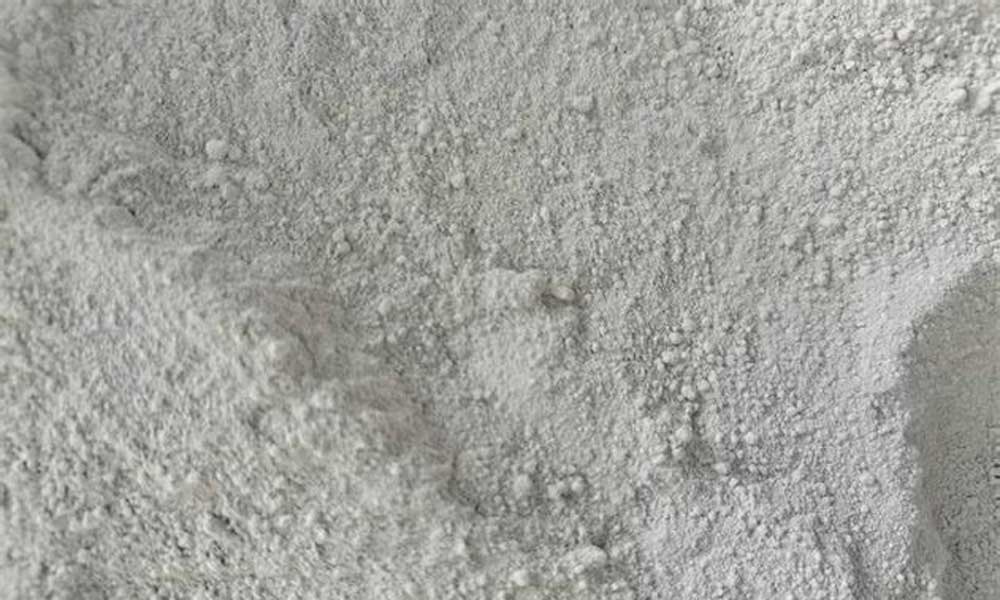
Ramming mass is a loose refractory material made from refractory aggregates, fine powders, and binders.
Unlike traditional refractory bricks, it does not require pre-firing into fixed shapes, and unlike castables, it does not need water for casting; instead, workers or machines ram it directly inside the furnace. After installation, it sinters and hardens under high temperatures, forming a dense, seamless, and monolithic lining inside the furnace.
Types of Ramming Mass
Alumina Ramming Mass
Alumina ramming mass uses high alumina aggregates with an Al₂O₃ content above 45% as its main raw material.
It offers excellent high-temperature resistance and strong chemical corrosion resistance, so operators often use it in blast furnace tapholes, sidewalls of aluminum electrolytic cells, linings of lead and zinc smelting furnaces, and high-temperature zones of ceramic kilns.
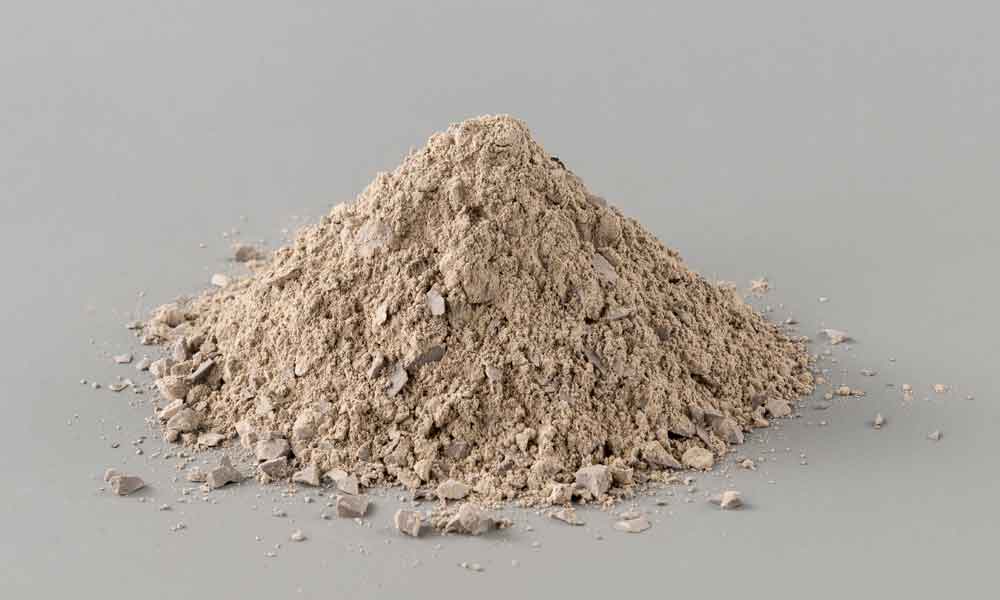
Silica Ramming mass
Silica ramming mass offers excellent thermal shock stability, so operators often use it in applications with frequent temperature fluctuations, such as coreless induction furnaces for steelmaking and glass melting furnaces.

Magnesia Ramming mass
Magnesia ramming mass uses magnesite as its main raw material and is commonly applied in basic environments, such as the burning zone of cement rotary kilns and the repair of basic oxygen furnace linings.
It offers strong resistance to alkaline slag, but it does not perform well under rapid temperature fluctuations.
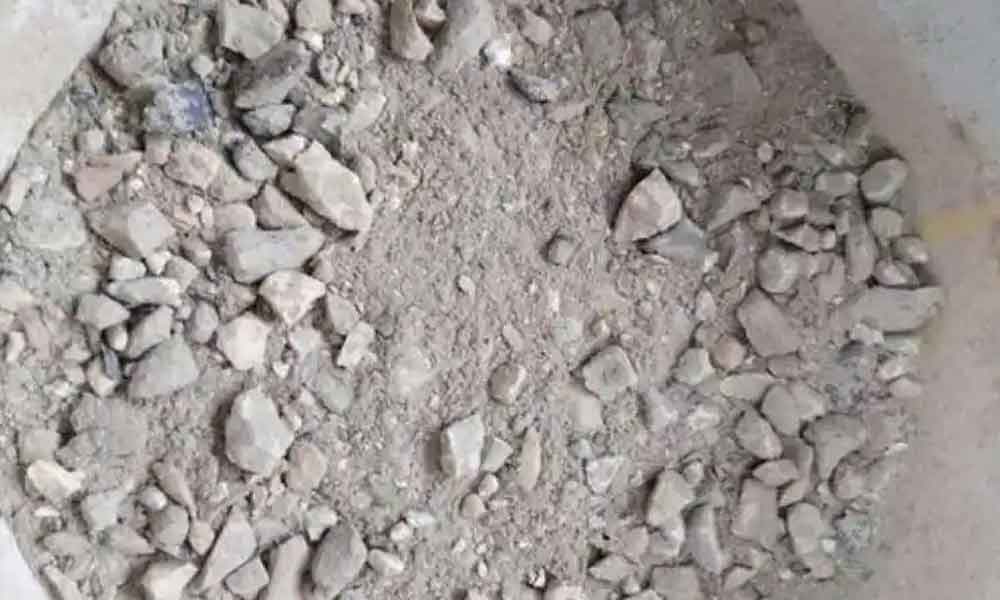
Silicon carbide ramming mass
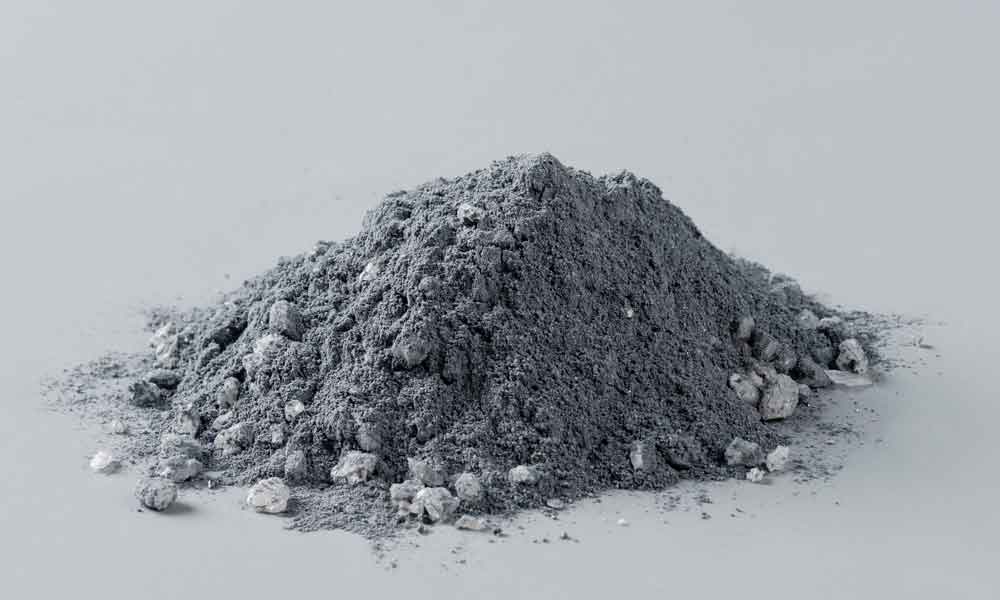
Silicon carbide ramming mass consists mainly of silicon carbide with binders such as resin or sodium silicate. Operators typically use it in areas subject to severe abrasion, such as blast furnace iron troughs and slag runners. It offers excellent wear resistance.
Installation Guidelines
According to GB 50211-2014 Code for Construction and Acceptance of Industrial Furnace Masonry Engineering, the installation of ramming mass should follow these key points:
- Before installation, clean the furnace surface and keep it dry and free of contaminants, as any residual moisture or impurities will weaken the bonding between the ramming mass and the furnace shell.
- Control the layer thickness within 100 mm during placement, because excessive thickness may prevent proper compaction at the bottom and lead to a loose layer.
- Use a pneumatic hammer with an air pressure of 0.5 MPa, and overlap each impact area by about half of the previous blow to ensure uniform compaction.
- After each layer is rammed, roughen the surface before placing the next layer to prevent delamination.
- Check the compaction ratio after each layer, which should normally fall between 40% and 45%.
- If the work is interrupted, clean and roughen the surface again and reapply the binder before resuming.
- For hot ramming, crush the carbonaceous material in advance and heat it to above 70°C, ensuring no hard lumps remain.
- During hot ramming, use a heated hammer and keep the hammer head temperature below the softening point of the binder.
- For magnesia or dolomite ramming mass bonded with coal tar or pitch, carry out the entire process using a heated hammer.
How to Choose the Right Ramming Mass
When selecting ramming mass, you should consider four main factors:
- First is the furnace type. Different furnaces have different requirements, so you need to choose a suitable ramming mass based on the specific furnace design.
- Second is the type of metal being melted. Different metals generate slags with different chemical properties during smelting, so you should select a ramming mass that can resist the corresponding chemical attack.
- Temperature is also critical. Different materials offer different levels of refractoriness, so the ramming mass must match the operating temperature.
- Finally, consider the supplier. Choose a reliable supplier with high-purity raw materials and solid industry experience.
Conclusion
JHYRef exports its ramming mass worldwide and has extensive experience in this field. Choosing the right ramming mass can significantly extend the service life of your furnace. If you have any further questions, feel free to contact our engineers.