What Is High Alumina Castable?
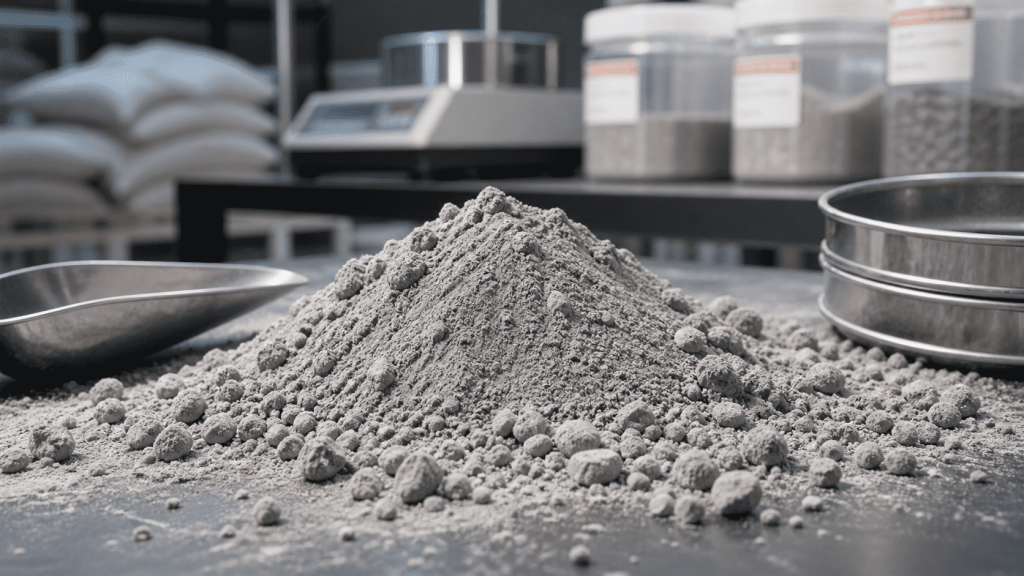
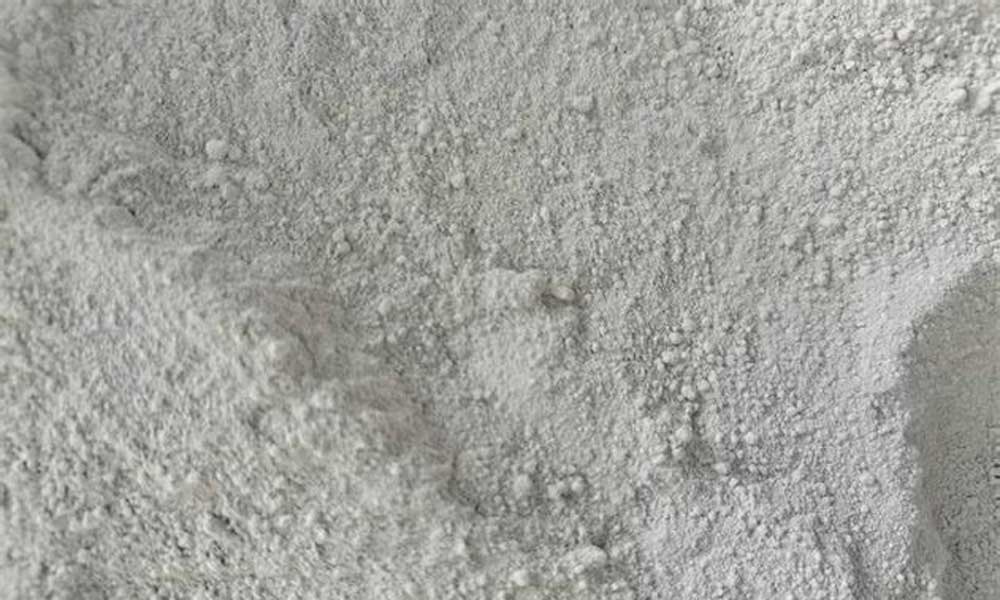
High alumina castable is an unshaped refractory material made from high-alumina aggregates and fines, combined with binders and additives in a designed particle size distribution. During installation, it is usually mixed with water and placed by casting, vibration, or self-flowing methods. After curing and dry-out, it forms a monolithic refractory lining.
Compared with refractory brick, high alumina castable is not limited by fixed brick shapes. It can be installed in complex structures, irregular furnace zones, large lining areas, and repair sections where brick masonry would be difficult or inefficient. This flexibility is one of the main reasons it is widely used in modern industrial furnaces.
What Is High Alumina Castable Made Of?
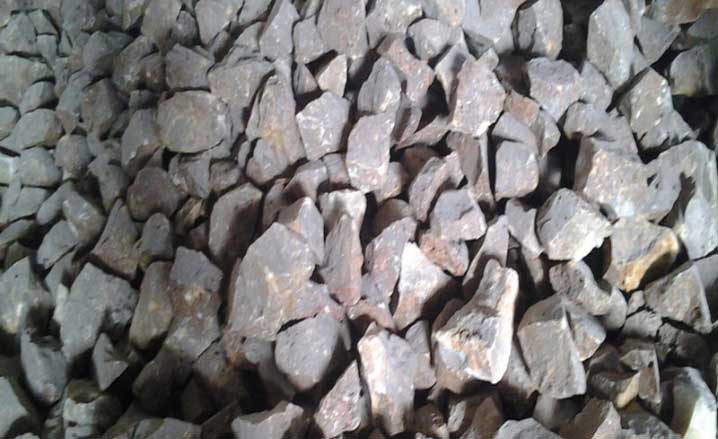
High alumina castable is generally composed of aggregates, fine powders, binders, and additives. Aggregates such as high-alumina bauxite, corundum, and mullite form the refractory skeleton. Fine powders fill voids and improve matrix strength. Binders create early strength at room and intermediate temperatures. Additives adjust flowability, setting time, water demand, and installation behavior.
- Aggregates provide refractoriness, wear resistance, and corrosion resistance.
- Fine powders improve density, sintering behavior, and matrix performance.
- Binders may include calcium aluminate cement, low-cement systems, or chemical bonds.
- Additives improve dispersion, flow, water reduction, setting, or workability.
Main Properties of High Alumina Castable
The main advantages of high alumina castable include flexible installation, good lining integrity, high refractoriness, strong abrasion resistance, and adjustable performance. Low-cement and ultra-low-cement high alumina castables usually contain less CaO, which helps improve hot strength, volume stability, and resistance to high-temperature attack.
However, alumina content alone does not define quality. Two castables with similar Al2O3 levels can perform very differently depending on aggregate quality, matrix design, water addition, installation density, curing, and dry-out practice.
High Alumina Castable at a Glance
| Item | Explanation | Common Features | Why It Matters |
| Main materials | High-alumina bauxite, corundum, mullite, fines, and binder | High Al2O3 content depending on grade | Controls refractoriness and corrosion resistance |
| Bonding system | Cement, low-cement, ultra-low-cement, or chemical bond | Low cement systems reduce impurities | Affects installation, dry-out, and hot strength |
| Installation | Mixed with water, cast, vibrated, or self-flowed | Good for complex shapes and monolithic linings | Reduces joints and improves integrity |
| Applications | Boilers, reheating furnaces, cement kilns, lime kilns, non-ferrous furnaces | Used in wear, heat, and thermal cycling zones | Grade must match temperature and media |
| Key risks | Water addition, curing, dry-out, and density | Installation errors shorten service life | Performance depends on correct application |
Typical Applications of High Alumina Castable
High alumina castable is commonly used in high-temperature equipment that requires monolithic linings or fast repair. In boilers and circulating fluidized bed systems, it is used for wear linings, cyclones, return feeders, and flue gas ducts. In cement plants, it can be applied in kiln mouths, grate coolers, tertiary air ducts, preheaters, and abrasion-resistant lining zones.
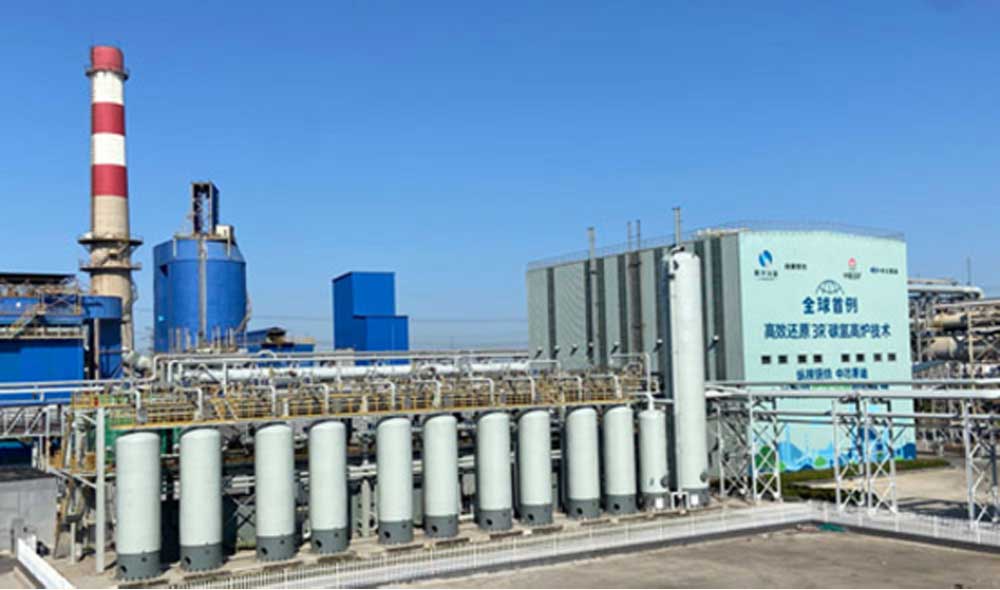
In metallurgical plants, high alumina castable may be used in reheating furnaces, soaking furnaces, auxiliary trough areas, and hot gas ducts. It is also used in selected non-ferrous and petrochemical equipment. For direct exposure to molten aluminum, highly basic slag, strong reducing atmospheres, or special chemical media, a dedicated formulation should be selected instead of a general-purpose high alumina castable.
How to Select the Right High Alumina Castable
Selection should begin with service conditions rather than only with chemical composition. The key factors include working temperature, chemical attack, abrasion level, thermal shock frequency, lining thickness, and installation method. Low-cement or ultra-low-cement grades may be suitable for higher-temperature zones, while abrasion-resistant grades are better for areas exposed to particles, dust, and mechanical scouring.
- Maximum service temperature and long-term operating temperature.
- Contact media, including dust, slag, molten metal, alkali salts, and furnace atmosphere.
- Installation method, such as vibration casting, self-flowing, gunning, or repair casting.
- Dry-out conditions, including heating curve, water removal, and shutdown time.
- Service goal, such as long campaign life, wear resistance, or fast maintenance.
Why Installation and Dry-Out Matter
The final performance of high alumina castable depends heavily on installation quality. Excess water increases porosity, lowers strength, and raises the risk of explosive spalling during heat-up. Poor vibration reduces density. Insufficient curing weakens the bond. Rapid dry-out can trap steam pressure inside the lining and cause cracking or peeling.
For this reason, water addition, mixing time, lining thickness, vibration, curing, and dry-out must be controlled carefully. The heating schedule should follow the supplier’s recommendation, especially through the temperature ranges where free water and chemically bound water are removed. Thick linings and complex structures require more conservative dry-out practice.
In refractory manufacturing and project communication, we often find that castable failure is not caused by alumina content alone, but by water addition, curing, dry-out, and incorrect grade selection.
Conclusion
High alumina castable is an unshaped refractory material designed for monolithic linings, wear-resistant layers, and local repairs in industrial high-temperature equipment. Its strengths are installation flexibility, lining integrity, high refractoriness, and customizable performance. The best result comes from matching the castable grade with the real operating conditions, then installing, curing, and drying it correctly.