Spinel bricks are high-performance refractory materials with spinel (MgAl₂O₄) as the main component. This mineral is composed of magnesium aluminate and features a unique crystal structure. Spinel bricks are widely used in high-temperature industrial fields such as metallurgy, cement, ceramics, and glass manufacturing due to their excellent thermal stability, mechanical strength, and chemical corrosion resistance, making them the preferred refractory material for modern industrial kilns.
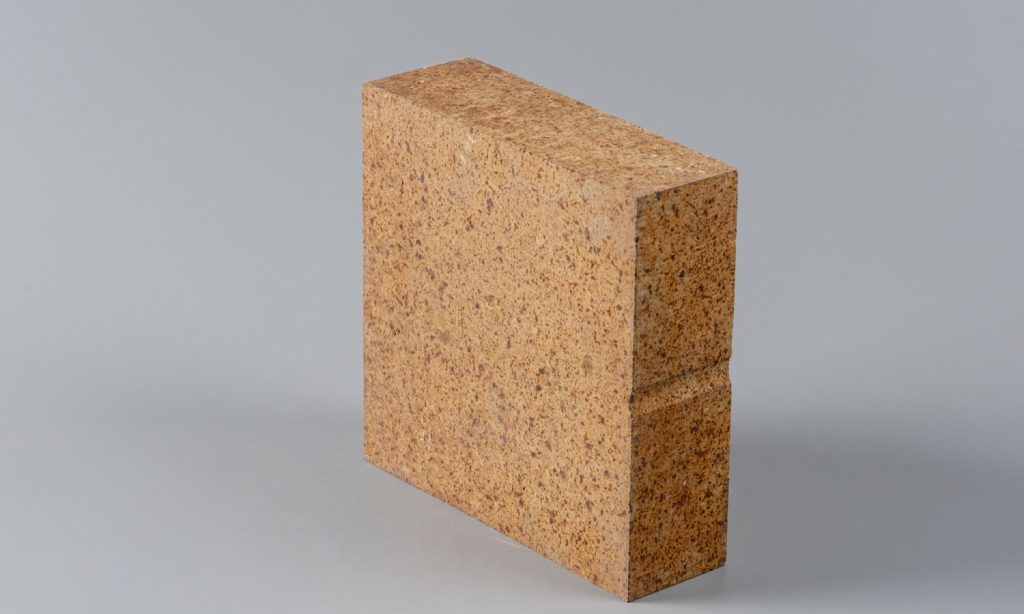
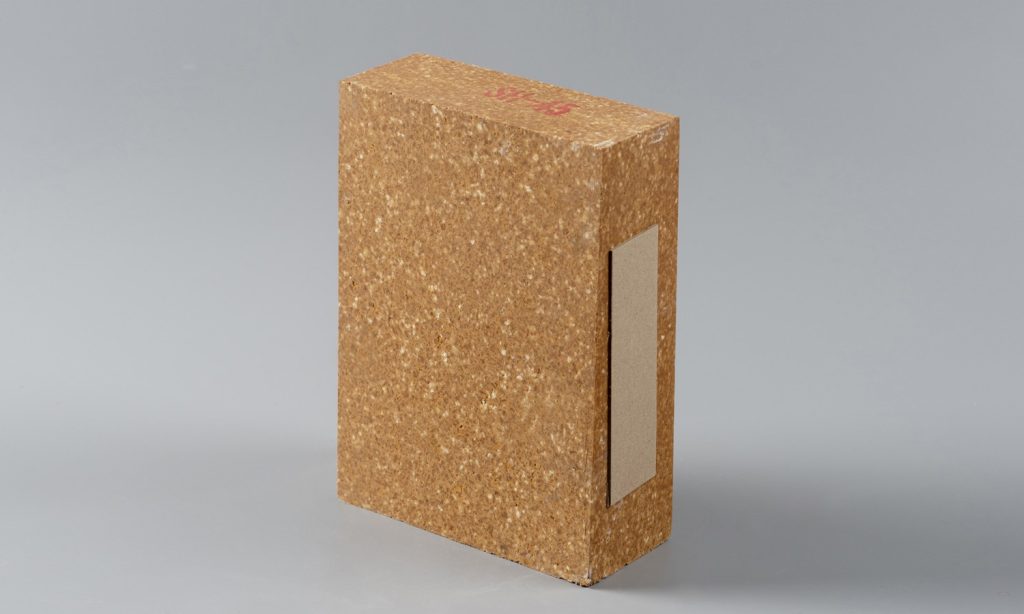
Five Core Performance Characteristics of Spinel Bricks
- Ultra-High Refractoriness: Spinel bricks can withstand extreme high-temperature environments, meeting the demanding requirements of steel smelting, cement calcination, and other rigorous industrial kiln applications, making them a reliable choice for high-temperature conditions.
- Excellent Thermal Shock Resistance: Thanks to their low thermal expansion coefficient, spinel bricks are less prone to cracking when facing rapid temperature changes. Their thermal stability is significantly superior to traditional magnesia bricks, greatly reducing the risk of damage caused by temperature fluctuations.
- Strong Slag Corrosion Resistance: Spinel bricks exhibit excellent chemical stability and resistance against various corrosive media such as alkaline slag, iron oxide slag, and molten steel, effectively extending the service life of kiln linings.
- Superior High-Temperature Strength: Even under high-temperature operating conditions, spinel bricks maintain high mechanical strength and good structural integrity, ensuring safe and stable kiln operation.
- Good Spalling Resistance:The special structure of the spinel phase effectively inhibits surface spalling phenomena, significantly extending service life and reducing maintenance frequency and costs.
Manufacturing Process of Spinel Bricks
1. Raw Material Preparation: High-purity magnesia, alumina, or corundum are selected as the main raw materials. Premium products also incorporate pre-synthesized spinel powder to enhance performance stability. The purity and particle size composition of raw materials are critical factors determining final product quality.
2. Batching and Mixing: Various raw materials are precisely weighed according to scientific formulas and thoroughly mixed using powerful mixing equipment to ensure uniform distribution of all components. Appropriate amounts of binders and additives can be added during mixing to optimize forming performance.
3.Forming Process:
- High-pressure forming: Suitable for mass production with high production efficiency and relatively low cost.
- Isostatic pressing: Produces denser compacts with superior product performance, suitable for high-end markets.
4.Drying Treatment: The formed green body undergoes a strictly controlled drying process to gradually remove moisture, preventing cracking and deformation, and preparing for subsequent firing.
5.High-Temperature Firing: Sintering is performed in high-temperature kilns to promote the formation and development of the spinel phase, imparting excellent high-temperature performance to the product. Firing temperature and holding time must be precisely adjusted according to specific product requirements.
Why Choose Spinel Bricks?
- ✅ Excellent Performance: Outstanding comprehensive performance in high-temperature resistance, corrosion resistance, and thermal shock resistance.
- ✅ Long Service Life: Significantly extends kiln lining service cycles.
- ✅ Low Maintenance Costs: Reduces furnace shutdown and maintenance frequency.
- ✅ Wide Applications: Suitable for multiple high-temperature industrial fields.
Future Development Trends
The future development of spinel bricks will focus on high purification, densification, functionalization, and environmental protection. Products will adopt higher purity raw materials and advanced sintering technologies. This enhances refractoriness and extends service life. Nanotechnology and composite materials will add new functions. These include self-healing and enhanced oxidation resistance. Carbon neutrality goals drive low-carbon production and resource recycling. Intelligent manufacturing and digital management will integrate throughout production processes.
FAQ
A: Spinel bricks are primarily used in high-temperature industrial environments and can withstand extreme high-temperature conditions. The specific temperature range depends on the product grade.
A: Service life depends on operating conditions, product quality, and maintenance practices. They typically can significantly extend kiln maintenance intervals.
A: Spinel bricks have significantly better thermal shock resistance than ordinary magnesia bricks, along with superior spalling resistance and longer service life.
A: Selection should consider the specific operating environment (temperature, corrosive media, thermal shock frequency), budget, and performance requirements. It is recommended to consult professional technical personnel.