What are Refractories?
Refractories(also known as refractory materials)are traditionally defined as inorganic non-metallic ceramic materials possessing a refractoriness exceeding 1580℃, while a more functionally oriented definition characterizes them as materials specifically engineered for use as linings in high-temperature industrial furnaces.
Refractory materials are not just heat-resistant materials, they are the critical barrier that determines the thermal efficiency and service life of industrial furnaces.
What refractory materials are made of?
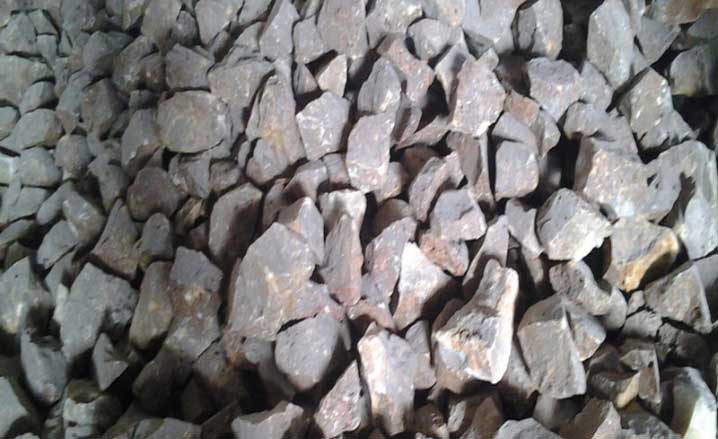
Refractory materials are primarily made from high-temperature resistant raw materials such as alumina (Al₂O₃), magnesia (MgO), silica (SiO₂), silicon carbide (SiC), and carbon (C). These materials are mixed according to formulations, pressed and molded, then sintered at high temperatures in kilns (or cured with binders) to produce structural materials such as bricks, blocks, and castables that can be used long-term in extreme high-temperature environments.
Types of refractory materials
Refractory materials are high-temperature resistant materials used in various industries. They can be classified by shape, chemical composition, or application. Each type has unique properties and is chosen according to the operating conditions and industrial requirements.
I.Classification of Refractories by Shape
1)Shaped refractories
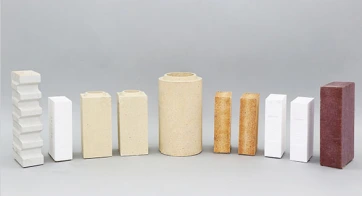
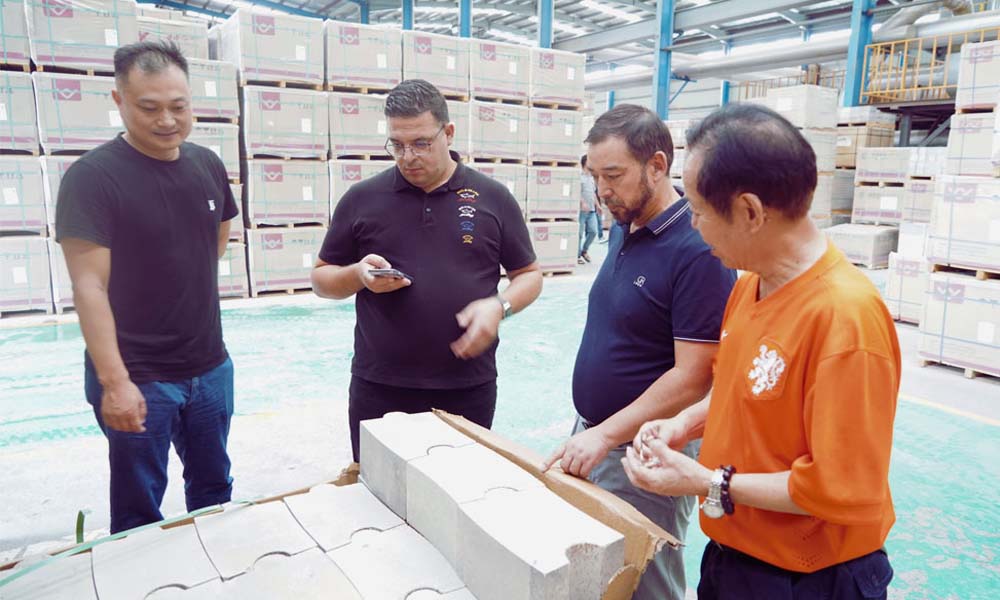
Shaped refractories are machine-pressed or prefabricated into fixed shapes, such as bricks or blocks.
Advantages: High mechanical strength and easy installation.
Common shapes:
Standard bricks: Straight bricks for flat walls, wedge bricks (side wedge, end wedge) for arches and circular structures;
Special shaped bricks: Arch bricks, skewback bricks, burner blocks with holes, suspended bricks with hooks;
Custom shapes: T-shaped bricks, L-shaped bricks, circular arc bricks for complex structures;
Precast components: Large precast blocks, combined brick assemblies, furnace covers;
Tubular products: Refractory pipes, crucibles, hollow bricks.
Examples: High-alumina bricks, magnesia-chrome bricks, magnesia-alumina spinel bricks.
2)Monolithic(Unshaped) Refractories
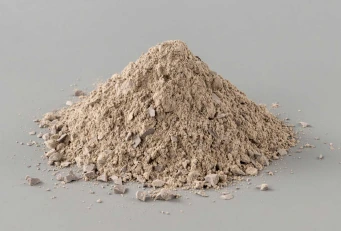
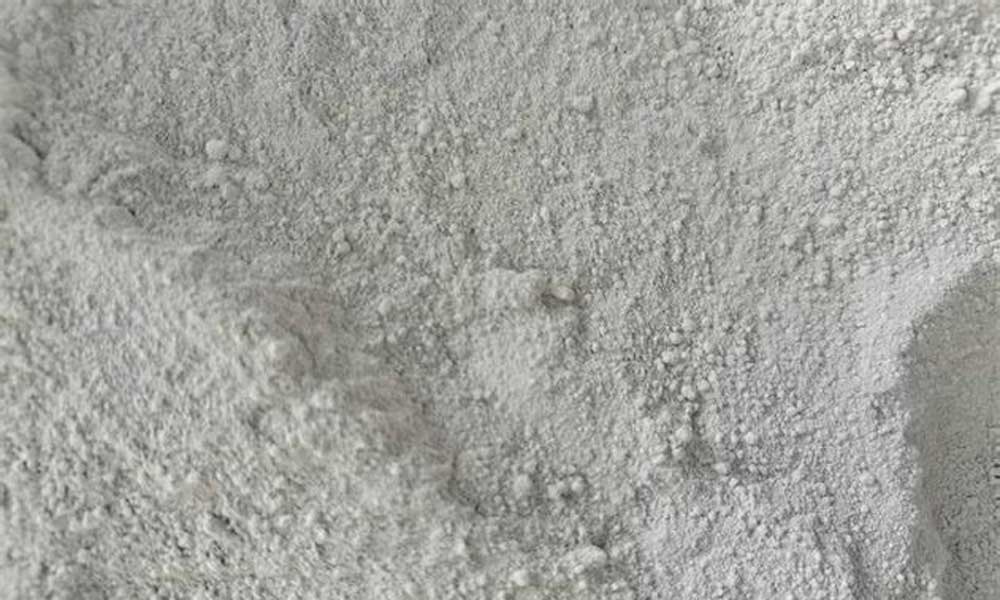
Monolithic refractories are applied and formed on-site as powder, granules, and bulk dry mixes. The main types are castables (mixed with water or liquid binders and poured into forms to create seamless linings), ramming mixes (applied in semi-dry form and compacted by ramming for high-density linings), and gunning mixes (sprayed onto surfaces using compressed air for fast installation and hot repairs).
Advantages: fewer joints, flexible shapes, and excellent overall integrity.
Ⅱ.Classification of Refractories by Chemical Composition
1)Acidic Refractories
Acidic refractories are mainly composed of silicon dioxide (SiO₂) and are designed to resist acidic slags. They are not suitable for alkaline environments, making them ideal for applications where exposure to acidic materials is high. Examples include: silica bricks.
2)Basic Refractories
Basic refractories are made from magnesium oxide (MgO) and calcium oxide (CaO), providing excellent resistance to alkaline slags. They are commonly used in areas where alkaline conditions dominate. Examples include: magnesia bricks and magnesia-chrome bricks.
3)Neutral Refractories
Neutral refractories are designed to withstand both acidic and alkaline conditions, offering versatility across different industrial environments. They are suitable for applications that require resistance to a variety of chemical conditions. Examples include: high-alumina bricks and silicon carbide bricks.
Key properties of Refractory Materials
Refractoriness: The ability to withstand high temperatures without softening or melting under no load.
Refractoriness under load: The ability to resist deformation under the combined effects of high temperature and applied load.
Thermal shock resistance: The ability to withstand rapid temperature changes without damage.
Slag resistance: The ability to resist slag corrosion and erosion at high temperatures.
High-temperature volume stability: The ability to maintain stable volume during long-term service at high temperatures.
What Are Refractory Materials Used For?
Refractory materials serve as the “protective layer” and “structural framework” of high-temperature industries, playing crucial roles in withstanding high temperatures, resisting corrosion, providing thermal insulation, and supporting structural loads in various thermal equipment. They are widely used in steel, non-ferrous metals, building materials, petrochemicals, power generation, and other sectors. The following are the main application scenarios for refractory materials.
1)Refractories for the cement industry
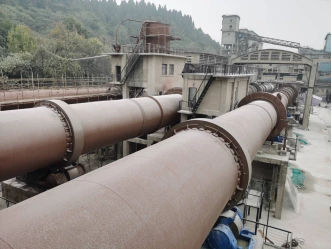
Rotary kiln linings: Refractories can withstand temperatures up to 1450°C.
Preheaters and coolers: Protect equipment and enable effective heat recovery.
Clinker conveying systems: Prevent wear and ensure stable operation.
Common materials: Magnesia-hercynite spinel bricks, silica-mullite bricks, castables.
2)Refractories for the steel industry
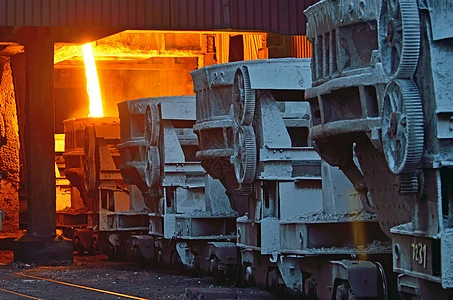
Blast furnace linings: Basic refractories resist slag corrosion.
Converters and ladles: Withstand molten steel and severe thermal shock.
Tundish: Maintain molten steel temperature and reduce heat loss.
Common materials: Magnesia-chrome bricks, magnesia-carbon bricks, gunning materials,dry vibrating mix.
3)glass industry
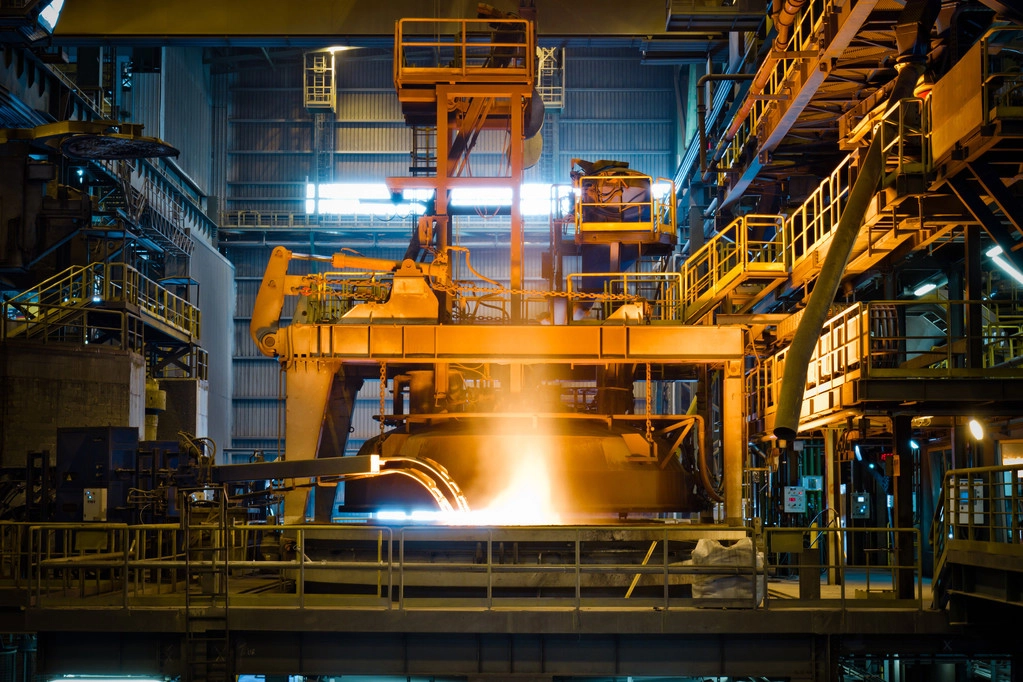
Furnaces and melting tanks: Resistant to high-temperature molten glass and chemical corrosion.
Forehearths: Maintains uniform temperature and prevent contamination.
4)Nonferrous Metals Industry
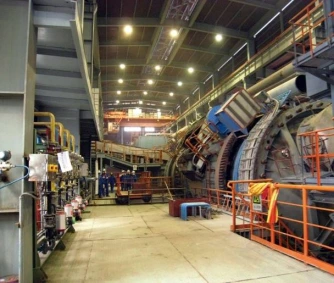
Copper, aluminum, and zinc smelting: Protect furnace structures from molten metals and slag corrosion.
Holding furnaces and casting furnaces: Extend service life and improve product quality.
Common materials: Magnesia bricks, high-alumina bricks, silicon carbide bricks.
5)Petrochemical and Chemical Industries
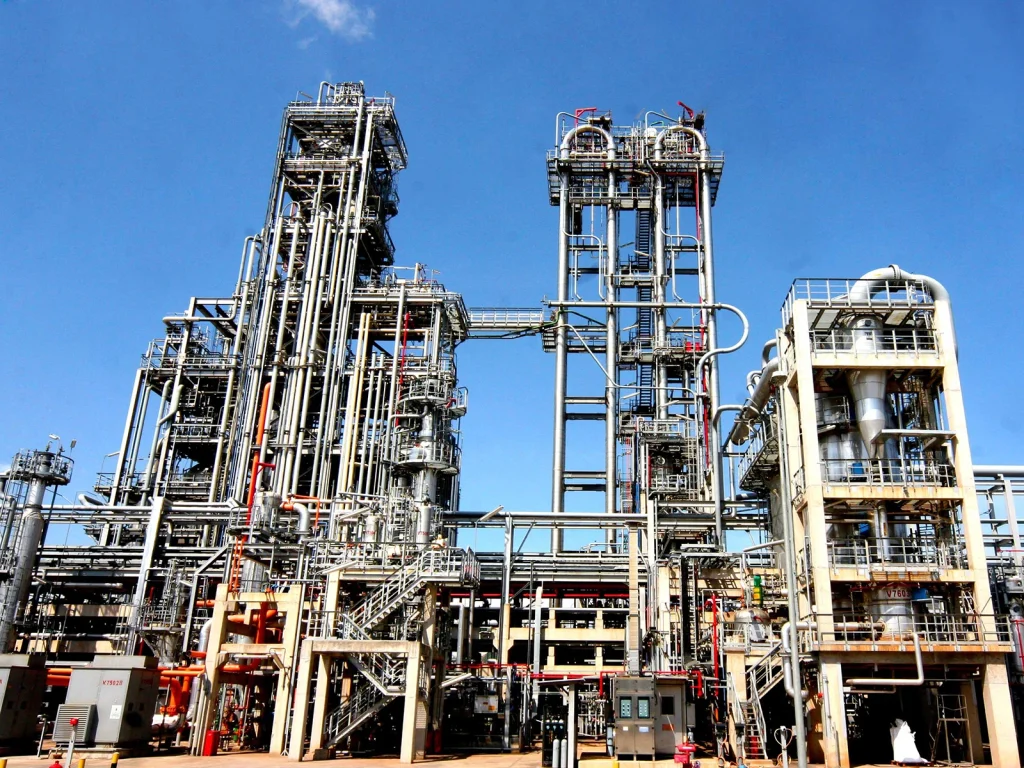
Reactors, incinerators and pipelines: Resistant to high-temperature gases and complex chemical corrosion.
Kilns and burners: Improve energy efficiency and prevent equipment damage.
Common materials: High-alumina bricks, monolithic castables, insulating refractories.
Conclusion
Although refractory materials are not commonly seen in daily life, they are essential materials supporting the modern industrial system and are known as the backbone of industry. Understanding the basic knowledge of refractories helps us better comprehend the complexity and precision of modern industrial production.
Jinheyuan Refractory Materials Co., Ltd. (JHYRef) is a professional refractory materials manufacturer and supplier dedicated to providing high-quality refractory solutions for high-temperature industries. Our products include shaped refractory materials and unshaped refractory materials, all manufactured strictly in accordance with international standards to meet various demanding industrial application requirements. For more product information or technical support, please visit our website.
FAQ
A: Refractory materials are inorganic, non-metallic ceramic materials with a refractoriness exceeding 1580°C. They are specifically designed for use as linings in high-temperature industrial furnaces and kilns. Their purpose is to withstand extreme temperatures in industrial applications while maintaining adequate heat resistance, structural integrity, and resistance to chemical corrosion.
A: Refractory materials can be classified by form into shaped refractories and unshaped refractories. By chemical properties, they are categorized as acidic, basic, and neutral refractories. They can also be classified according to specific industrial requirements and service conditions.
A: The main properties of refractory materials include refractoriness, load softening temperature, thermal shock resistance, slag resistance, and high-temperature volume stability. These properties determine their suitability for specific industrial applications and operating environments.