What Are Refractory Materials?
In high-temperature industries such as steelmaking, glass production, cement kilns, and aluminum smelting, furnace temperatures often exceed 1000 °C. At such heat, concrete cracks and ordinary bricks crumble within hours. Materials specifically designed to maintain their performance under these extreme conditions are called refractory materials.
In industrial contexts, refractory materials have a precise definition: they are high-temperature materials capable of maintaining structural integrity at extremely high temperatures without melting, deforming, or decomposing. Refractory materials do not take part in chemical reactions inside the furnace; their role is solely to preserve the internal temperature and ensure structural stability.
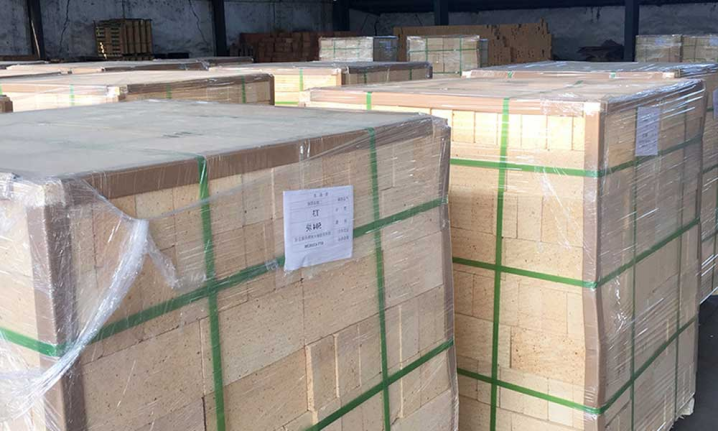
How Refractory Materials Work As a System
When specifying refractory materials, engineers design multi-layer refractory lining systems rather than relying on single products. A typical refractory lining system consists of multiple layers, each serving a specific function. For example, dense bricks on the hot face provide mechanical strength and prevent direct contact with molten slag or metal. Outside that, an insulating layer reduces heat loss and lowers energy consumption. In both alkaline and acidic environments, chemically resistant linings effectively protect against corrosive gases or fluxes.
Different areas within the same furnace require different refractory materials, and each material must be chosen according to its specific function. High-temperature zones demand dense materials with stable chemical properties, while outer layers prioritize insulation performance. Choosing the wrong refractory material is one of the most common reasons for premature lining failure.
Understand Refractoriness
When evaluating refractory materials, engineers rely on a critical metric: refractoriness. But what does refractoriness actually mean? Unlike a simple melting point, refractoriness measures a material’s ability to maintain shape and load-bearing capacity under sustained thermal stress. Refractory materials with high refractoriness can maintain their form even at 1600 °C, while those with low refractoriness may begin to soften and deform before reaching that temperature.
Refractoriness is usually assessed using standardized test methods, the most common being the high-temperature pyrometric cone equivalent (PCE) method. Under the same heating conditions, the material under test is compared with a series of reference cones. The test results provide engineers with a reliable benchmark for comparing materials, but this represents only one part of performance evaluation.
Refractoriness Alone Doesn’t Guarantee Performance
High refractoriness alone does not guarantee long-lasting performance under real conditions. Inside an operating furnace, materials face more than just high temperatures. Thermal shock—stress caused by rapid heating or cooling—can even crack high-grade refractory materials. Chemical attack from slag, dust, or process gases gradually erodes the lining over time. Mechanical loads from vibration or the weight of molten materials further increase stress.
This also explains why two refractory materials with similar refractoriness can have vastly different lifespans. The best-performing materials are those matched to the specific thermal, chemical, and mechanical conditions they will face.
The Key Properties That Determine Real Performance
Beyond refractoriness, selecting the right refractory material depends on several key properties:
Thermal shock resistance determines how well a material withstands sudden temperature changes—critical in furnaces that frequently cycle on and off.
Chemical resistance defines its ability to resist corrosive slags, acids, bases, and gases; in cement kilns or glass furnaces, this property is often decisive.
Cold and hot mechanical strength tells engineers whether the material can support structural loads at room temperature and operating temperatures.
Porosity affects heat transfer and susceptibility to chemical penetration. Lower porosity usually improves resistance to slag infiltration but may reduce thermal shock resistance, so a careful balance is necessary.
Conclusion
Refractory materials work as multi-layer systems where refractoriness is just one performance factor. True durability depends on the combination of thermal shock resistance, chemical resistance, and mechanical strength. Matching materials to actual operating conditions matters more than chasing the highest individual specifications.