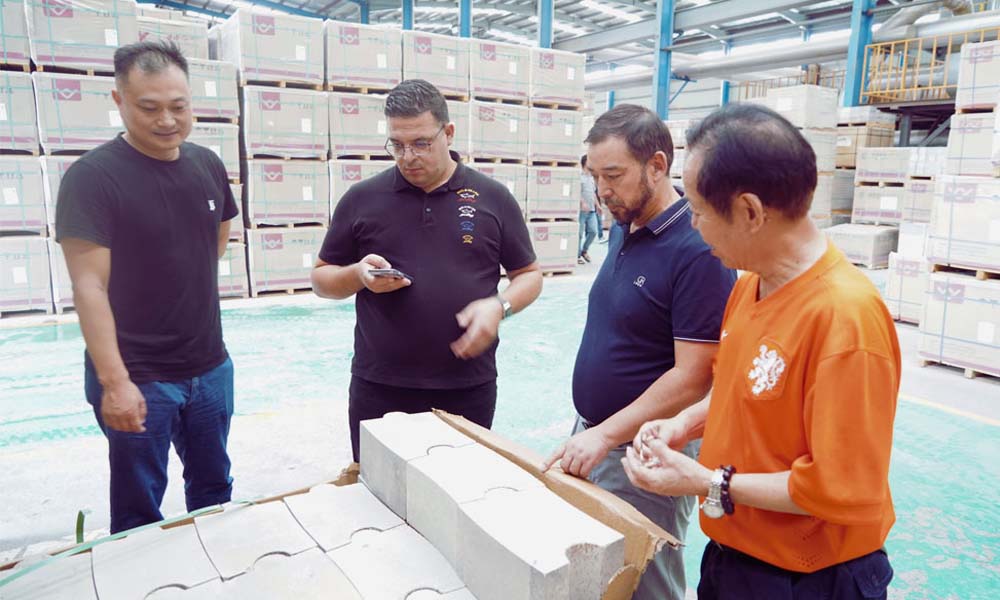
Fire brick is a type of refractory brick, usually made from fire clay and alumina for fireplaces, ovens, kilns, and moderate-duty furnace linings. Refractory brick is the broader category, covering fire clay brick plus higher-performance bricks such as high alumina, silica, magnesia, magnesia chrome, magnesia carbon, and silicon carbide bricks for industrial furnaces.
That difference matters when you are choosing a lining material. A fireplace, heat-treatment kiln, cement rotary kiln, steel ladle, glass furnace, and copper smelting furnace do not expose brick to the same temperature, load, atmosphere, or slag. The right choice is not simply “the brick that handles the highest heat.” It is the brick that fits the full working condition.
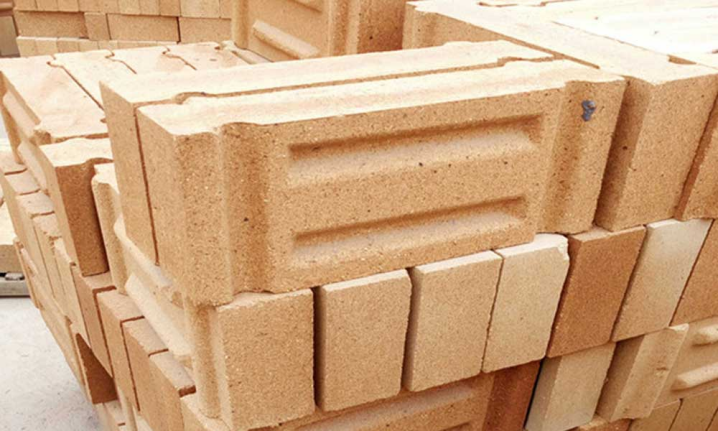
Is Fire Brick the Same as Refractory Brick?
Fire brick is not exactly the same as refractory brick, but it belongs to the refractory brick family. The term “refractory brick” describes shaped ceramic materials designed to resist high-temperature service. Fire brick, also called firebrick or fire clay brick in many contexts, is one common type within that larger category.
In everyday use, people often say “fire brick” when they mean the heat-resistant brick used in fireplaces, wood stoves, pizza ovens, small kilns, boilers, and general furnace linings. In industrial procurement, “refractory brick” is a wider term. It may include fire clay brick, high alumina brick, silica brick, magnesia brick, [magnesia chrome brick](https://www.jhyref.com/refractories/magnesia-chrome-brick/), magnesia carbon brick, silicon carbide brick, corundum brick, insulating fire brick, and custom shaped refractories.
So the clean answer is this: all fire bricks are refractory materials, but not all refractory bricks are ordinary fire bricks. When the service condition becomes more severe, the brick grade usually needs to move beyond basic fire clay brick.
What Is Fire Brick?
Fire brick is a heat-resistant brick used to line areas exposed to flame or high temperature. Most common fire bricks are based on fire clay, alumina, and silica. Depending on the grade and firing process, they may form stable ceramic phases that help the brick resist heat without softening, cracking, or spalling too quickly.
Fire brick is widely used because it is practical and cost-effective. It can work well in:
– Fireplaces and wood stoves.
– Pizza ovens and barbecue ovens.
– Small kilns and ceramic kilns.
– Boilers and heating equipment.
– Backup or moderate-duty industrial furnace linings.
– Areas where the main challenge is heat, not severe chemical corrosion.
However, fire brick is not automatically suitable for every hot environment. If the lining is exposed to basic slag, molten metal, alkali vapor, heavy abrasion, repeated quenching, or high mechanical load, a more specialized refractory brick may be needed.
Dense fire brick and insulating fire brick are also different. Dense fire brick is stronger and often used on the hot face where flame, load, or wear is present. Insulating fire brick is lighter and has lower thermal conductivity, so it is often used to reduce heat loss in backup layers or lower-load heating areas.
What Is Refractory Brick?
Refractory brick is a shaped refractory product made to withstand high-temperature industrial service. According to Britannica’s firebrick reference, refractory materials are nonmetallic mineral materials formed into shapes for high-temperature use, and they can be made from raw material families such as fireclays, high-alumina minerals, silica, magnesia, chromite, carbon, and zirconia-related materials.
In practice, refractory brick is selected by working condition. Different brick chemistries solve different problems:
– Fire clay brick for general heat resistance and economical furnace lining.
– High alumina brick for higher refractoriness, strength, and wear resistance.
– Silica brick for acidic high-temperature environments such as coke ovens and selected glass furnace zones.
– Magnesia brick for basic slag resistance in steel and cement applications.
– Magnesia chrome brick for corrosion and slag resistance in severe furnace areas.
– Magnesia carbon brick for steel ladles, converters, and electric furnaces where slag resistance and thermal shock resistance matter.
– Silicon carbide brick for abrasion, thermal conductivity, and certain corrosive environments.
– Insulating fire brick for insulation layers where low heat loss is more important than heavy wear resistance.
This is why “refractory brick vs fire brick” is partly a terminology question and partly a selection question. The buyer does not just need a definition. They need to know which refractory type fits the furnace.
Refractory Brick vs Fire Brick: Key Differences
The biggest difference is scope. Fire brick is a common heat-resistant brick category, while refractory brick includes a wider range of engineered materials for different high-temperature problems.
| Factor | Fire Brick / Fire Clay Brick | Broader Refractory Brick Category |
|---|---|---|
| Category | A common type of refractory brick | Includes many shaped refractory brick types |
| Typical materials | Fire clay, alumina, silica | Alumina, silica, magnesia, silicon carbide, zirconia, carbon, chrome-bearing materials |
| Main purpose | General heat resistance for moderate-duty service | Matched to severe heat, slag, corrosion, load, abrasion, or insulation needs |
| Corrosion resistance | Low to moderate, depending on grade | Moderate to very high, depending on chemistry and grade |
| Wear resistance | Moderate, depending on density and alumina content | Can be high with high alumina, silicon carbide, magnesia carbon, and specialty bricks |
| Thermal insulation | Standard dense fire brick insulates less than insulating fire brick | Includes both dense hot-face bricks and insulating backup bricks |
| Cost | Usually lower and easier to source | Wide range; specialty bricks cost more but can extend service life |
| Common uses | Fireplaces, ovens, kilns, boilers, general linings | Cement kilns, steel ladles, glass furnaces, non-ferrous smelting, incinerators, industrial kilns |
This table also explains why the cheaper material is not always cheaper in operation. If a low-grade fire brick fails early in a severe furnace zone, downtime, relining labor, and production loss can cost more than the brick itself.
Temperature Resistance: Why Exact Grade Matters
There is no single temperature limit for every fire brick or every refractory brick. Temperature resistance depends on raw materials, alumina content, porosity, firing quality, mineral phases, load, atmosphere, and chemical attack.
For example, a fire clay brick may be suitable for many general high-temperature uses, but it may not hold up well against aggressive basic slag. A high alumina brick may offer better refractoriness and strength, but it still may not be the right choice for a steel ladle slag line. A magnesia carbon brick or another basic refractory may be more suitable there.
The key point is simple: temperature is only the starting question. A supplier also needs to know what the brick touches during operation. Flame, dust, clinker, molten slag, glass melt, metal, alkali vapor, thermal cycling, and mechanical impact all change the selection.
If a quotation only compares maximum temperature, it is incomplete. A better technical offer should connect temperature with application zone, chemical exposure, physical load, and expected service life.
Common Types of Refractory Bricks
| Refractory Brick Type | Main Strength | Typical Applications |
|---|---|---|
| Fire clay brick | Economical heat resistance | Fireplace, kiln, boiler, backup lining, general furnace areas |
| High alumina brick | Higher refractoriness and mechanical strength | Cement kiln, industrial kiln, steel furnace, wear-prone lining areas |
| Silica brick | High-temperature stability in acidic conditions | Coke oven, glass furnace, hot blast stove |
| Magnesia brick | Resistance to basic slag | Steelmaking furnaces, cement kiln zones, basic furnace linings |
| Magnesia chrome brick | Strong slag and corrosion resistance | Non-ferrous smelting, cement kiln, glass furnace, severe corrosion zones |
| Magnesia carbon brick | Thermal shock and slag resistance | Steel ladle, converter, electric arc furnace |
| Silicon carbide brick | Wear resistance and thermal conductivity | Incinerator, abrasive furnace zones, selected kiln linings |
| Insulating fire brick | Low thermal conductivity and lower heat loss | Backup lining, insulation layer, heating furnace, kiln insulation |
These categories can also overlap. For instance, a furnace lining may use dense refractory brick on the hot face and insulating fire brick behind it. The hot-face layer handles flame, slag, and wear. The insulation layer reduces heat loss and shell temperature.
Which Brick Fits Which Furnace?
The best brick depends on the equipment and lining position. Here is a practical selection guide for common scenarios.
| Application | Common Working Condition | Likely Brick Direction |
|---|---|---|
| Fireplace, wood stove, pizza oven | Flame and heat, usually limited chemical attack | Fire brick or fire clay brick |
| Small kiln or heat-treatment furnace | Heat cycling, controlled atmosphere, possible insulation need | Fire brick, insulating fire brick, or high alumina brick |
| Cement rotary kiln | Clinker, coating, alkali, thermal load, zone-specific wear | High alumina, magnesia spinel, magnesia chrome, or other zone-specific refractory |
| Steel ladle or converter | Basic slag, molten steel, thermal shock, erosion | Magnesia carbon, alumina-magnesia-carbon, or other steelmaking refractory |
| Glass furnace | High temperature, glass corrosion, acidic/basic zone differences | Silica, zirconia/corundum, high alumina, or selected magnesia chrome brick |
| Non-ferrous smelting furnace | Aggressive slag, molten metal, severe corrosion | Magnesia chrome, chrome corundum, silicon carbide, or specialty refractory |
| Waste incinerator | Thermal cycling, alkali, chemical corrosion, abrasion | Silicon carbide, high alumina, corundum, and anti-corrosion refractory linings |
For JHYRef customers, this table is usually the first filter. The final recommendation should still be based on drawings, service temperature, atmosphere, lining position, and failure history.
Common Misconceptions About Fire Brick and Refractory Brick
Misconception 1: Fire brick and refractory brick are completely different products.
Fire brick is usually part of the refractory brick category. The more useful distinction is between common fire clay brick and higher-performance refractory brick types.
Misconception 2: Regular building brick can replace fire brick.
Regular construction brick is not designed for repeated high-temperature service. It may crack, spall, or fail when exposed to flame and thermal cycling. Use a properly rated fire brick or refractory brick for hot-face lining.
Misconception 3: The highest temperature rating is always best.
A higher temperature rating does not guarantee better performance against slag, abrasion, alkali, or thermal shock. A brick with the right chemistry and structure will outperform a mismatched high-temperature brick.
Misconception 4: Insulating fire brick and dense fire brick do the same job.
Insulating fire brick helps reduce heat loss, but it is usually lighter and less wear-resistant than dense hot-face brick. Dense brick is better for areas with load, abrasion, or direct mechanical contact.
Misconception 5: One refractory brick type can line the whole furnace.
Many industrial furnaces use different refractory materials in different zones. The burning zone, transition zone, slag line, roof, sidewall, checker chamber, and backup lining may all need different grades.
How to Choose the Right Refractory Brick
Start with the working condition, not the product name. A good refractory brick selection process should include these steps:
1. Identify the furnace and lining position. A backup layer, hot-face wall, roof, slag line, and burner zone have different requirements.
2. Confirm the working temperature. Include both normal operating temperature and peak temperature.
3. Check thermal cycling. Frequent heating and cooling increases thermal shock stress.
4. Define the atmosphere and chemistry. Acidic, basic, reducing, oxidizing, alkali-rich, or slag-rich conditions affect brick chemistry.
5. Assess mechanical wear. Abrasion, impact, and load may require denser or stronger refractory grades.
6. Decide dense brick vs insulating brick. Dense brick protects the working face. Insulating brick reduces heat loss in lower-wear zones.
7. Confirm size and shape. Standard straight bricks, arch bricks, wedge bricks, checker bricks, and custom shapes need different drawings and tolerances.
8. Compare service life, not only unit price. The right refractory brick can reduce shutdowns and maintenance cost.
9. Ask for technical data. Request chemical composition, bulk density, apparent porosity, cold crushing strength, refractoriness under load, and applicable standards or test reports.
If you are unsure whether a fire brick is enough, treat that as a signal to share the operating conditions with a refractory supplier before ordering.
What Information Should You Send a Supplier?
For a reliable recommendation, send more than a product name. A supplier can choose a better refractory brick grade when you provide:
– Furnace, kiln, or equipment type.
– Working temperature and peak temperature.
– Fuel type and furnace atmosphere.
– Process material, such as clinker, steel, glass, copper matte, ash, or chemical waste.
– Slag, alkali, acid, or chemical exposure.
– Lining position, such as wall, roof, bottom, burner zone, transition zone, or slag line.
– Existing lining material and current failure problem.
– Brick size, shape, drawing, and tolerance requirements.
– Quantity, packaging, destination port, and delivery schedule.
– Expected service life or shutdown cycle.
JHYRef can use these details to recommend fireclay brick, high alumina brick, magnesia brick, magnesia chrome brick, insulating brick, or another refractory solution from the broader.
FAQ
Fire brick is a type of refractory brick, but refractory brick is the broader category. Fire brick usually refers to fire clay or alumina-silica brick for general heat resistance, while refractory brick can also include high alumina, silica, magnesia, magnesia carbon, silicon carbide, and other specialty bricks.
Regular building brick should not be used as a substitute for fire brick in high-temperature areas. It is not designed for repeated flame exposure, thermal cycling, or furnace service, and it may crack or spall under heat.
Dense fire brick is stronger and better for hot-face areas with flame, wear, or load. Insulating fire brick is lighter and has lower thermal conductivity, so it is better for insulation layers or lower-load heating applications.
There is no universal best refractory brick for every industrial furnace. The right grade depends on temperature, atmosphere, slag chemistry, abrasion, thermal cycling, and lining position. Cement kilns, steel ladles, glass furnaces, and non-ferrous smelting furnaces often need different refractory materials.
Fire brick temperature resistance depends on its composition and grade. Instead of choosing by temperature alone, check the supplier’s technical data sheet and confirm whether the brick can handle the actual load, atmosphere, thermal cycling, and chemical exposure.
Send your supplier the furnace type, working temperature, lining position, atmosphere, slag or chemical exposure, current failure problem, and brick drawings. A good supplier should match the refractory brick grade to those conditions instead of quoting only by brick name.
Conclusion
The simplest way to understand refractory brick vs fire brick is this: fire brick is usually a common heat-resistant refractory brick, while refractory brick is the broader industrial category. Fire clay brick may be enough for fireplaces, ovens, small kilns, and moderate-duty linings. More severe furnace zones may need high alumina, silica, magnesia, magnesia chrome, magnesia carbon, silicon carbide, insulating, or custom shaped refractory bricks.
Before choosing, look beyond temperature. Check the furnace type, working atmosphere, slag chemistry, abrasion, load, thermal cycling, lining position, and expected service life.
If you need a refractory brick recommendation for an industrial furnace, send JHYRef your furnace type, operating temperature, lining position, drawings, and working conditions. The engineering team can help match the brick grade to the application before production or quotation.