The terms “fire brick” and “refractory brick” are often used interchangeably, but they don’t mean exactly the same thing. Fire bricks represent the most common basic type of refractory material, while refractory bricks refer to a broader range of higher-performance industrial-grade materials. This article explains each one and highlights the key differences between them.
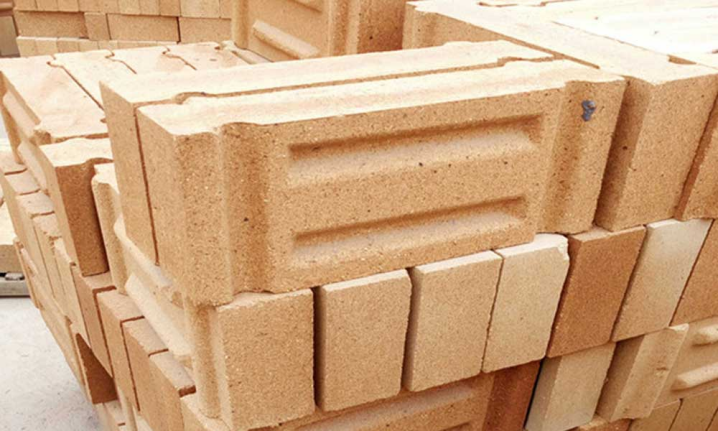
What is Fire Brick?
A fire brick, also known as fire clay brick, is one of the most widely used types of refractory material. It is mainly made from fire clay and alumina. Thanks to its relatively simple composition, it is affordable and offers good value. Fire bricks are not designed for extremely corrosive or high-mechanical-stress environments, but they work well in household applications such as fireplaces, wood stoves, pizza ovens, and barbecue pits, as well as in medium-temperature industrial settings.
What is Refractory Brick?
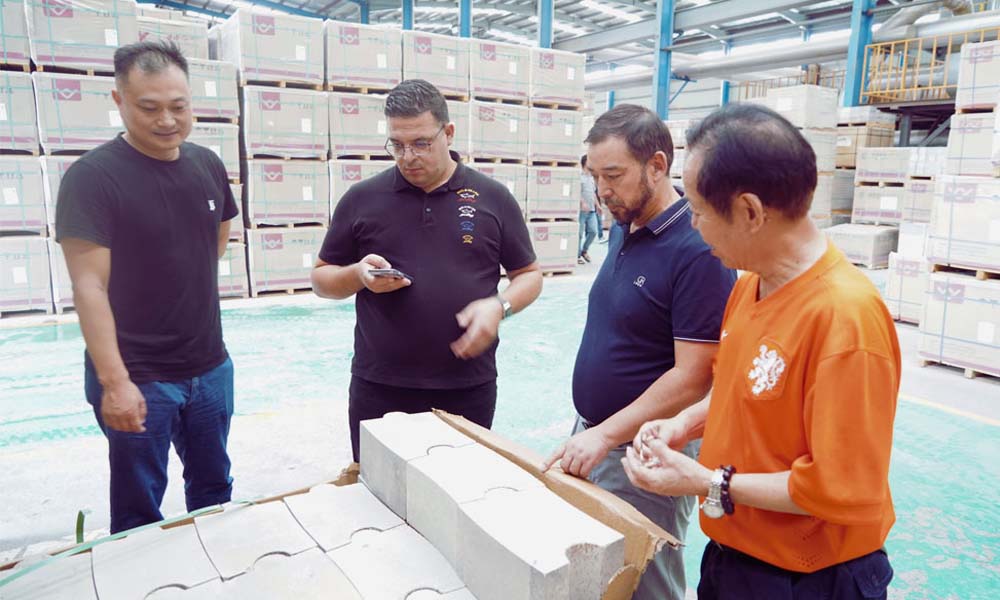
Refractory brick is a broader professional term. It refers to high-performance materials made from higher-purity raw materials and engineered for demanding industrial conditions. Compared with standard fire bricks, refractory bricks meet stricter technical standards and performance requirements. Depending on the working conditions, there are many types available, including high-alumina bricks, magnesia bricks, silica bricks, and silicon carbide bricks. Among them, silicon carbide bricks stand out for their excellent thermal conductivity and superior wear resistance.
Key Differences: Refractory Brick vs Fire Brick
- Composition and Raw Materials: Fire bricks are primarily clay-based with a relatively basic formulation. Refractory bricks often use more advanced materials such as silicon carbide or zirconia, resulting in more complex compositions and better overall performance.
- Refractoriness and High-Temperature Stability: Fire bricks can handle most everyday medium-to-high temperature needs. Refractory bricks are better suited for ultra-high temperatures or environments with strong chemical corrosion.
- Density and Strength: Fire bricks typically have good density and solid mechanical strength. High-performance refractory bricks (especially specialty types) offer even higher density, greater strength, and improved wear resistance.
- Thermal Properties: Fire bricks have moderate thermal conductivity and good heat storage capacity. High-performance refractory bricks often provide higher thermal conductivity or specially optimized thermal shock resistance.
| Feature | Refractory Brick | Fire Brick |
| Material Composition | High-purity oxides | Fireclay + 30-48% Al₂O₃ |
| Corrosion Resistance | High to Very High | Low to Moderate |
| Wear Resistance | Moderate | Excellent |
| Thermal Shock Resistance | Moderate | Excellent (type-dependent) |
| Applications | General high-temp, non-corrosive | Extreme temp, corrosive, high-wear |
Applications of Refractory brick
Fire bricks are mostly used in everyday household settings and medium-temperature applications. Refractory bricks are primarily applied in heavy industrial environments, including:
Petrochemical Industry: Gasifier domes and reformer linings
Steel Industry: Converter linings, ladle impact zones
Cement Industry: Rotary kiln burning zones and kiln mouths
Waste Incineration / Environmental Protection: Incinerator throats and flue bends
Glass Industry: Regenerator checker bricks and throat areas
Aluminum Smelting: Slag lines and furnace mouths in melting furnaces
Copper Smelting: Converter mouths and slag lines in settling tanks
Common misconceptions
Misconception 1: Thinking that refractory bricks and fire bricks are two completely different products. In reality, fire bricks are usually a subcategory of refractory bricks. The main difference lies in performance grade rather than entirely separate categories.
Misconception 2: Assuming any fire brick will always be sufficient. Standard fire bricks work well for general household use, but if temperatures exceed 1700°C or there is strong chemical attack, you may need higher-alumina or specialty refractory bricks. Otherwise, the bricks can spall or wear out quickly.
Misconception 3: Believing refractory bricks are always much more expensive and far superior. In many medium-temperature applications, standard fire bricks actually offer better value. Pursuing high-end refractory bricks unnecessarily can just increase costs without real benefit.
How to Choose Refractory Bricks for Your Furnace
- Know the operating temperature and usage frequency
- Analyze the working environment, including chemical corrosion and mechanical stress
- Assess mechanical load and wear
- Consider cost versus service life for overall value
- Check supplier quality, supply capacity, and customization options
Conclusion
Fire brick and refractory brick are not completely different; they serve different environments. Choosing the right one can extend equipment life, improve thermal efficiency, and avoid losses or safety issues.
As a leading refractory material manufacturer in China, JHYRef produce high-quality refractory bricks. If you have questions, consult our experienced engineers.