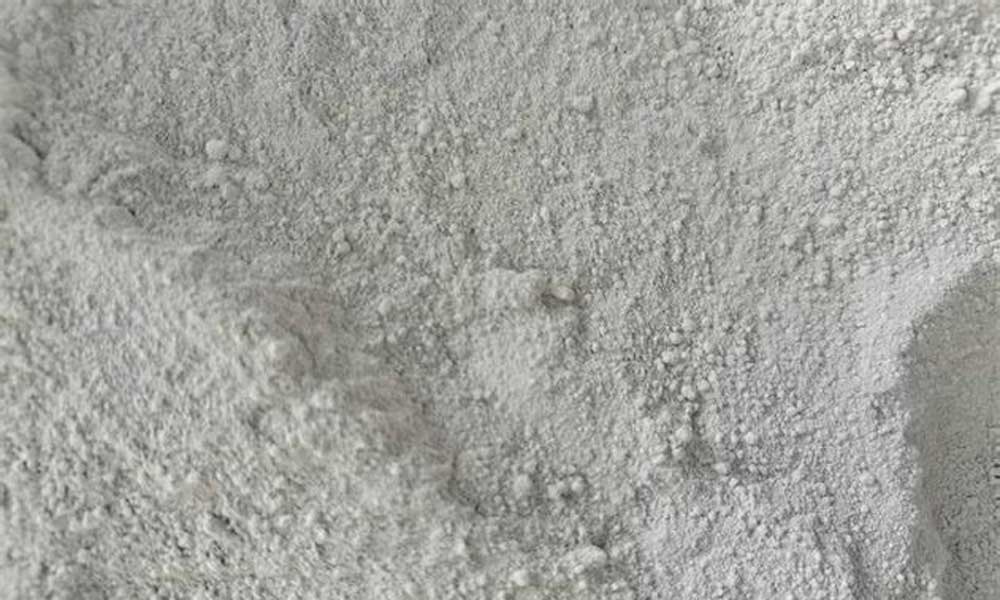
Refractory cement is a common material for high-temperature equipment such as industrial kilns, furnaces, fireplaces, and casting furnaces. During dry mixing, stirring, grinding, or demolition, a large amount of fine dust is generated. This dust is what we call refractory cement dust in this article.
This article systematically introduces the composition, risks, and control measures of refractory cement dust. It helps readers better manage risks related to health, environment, and equipment.
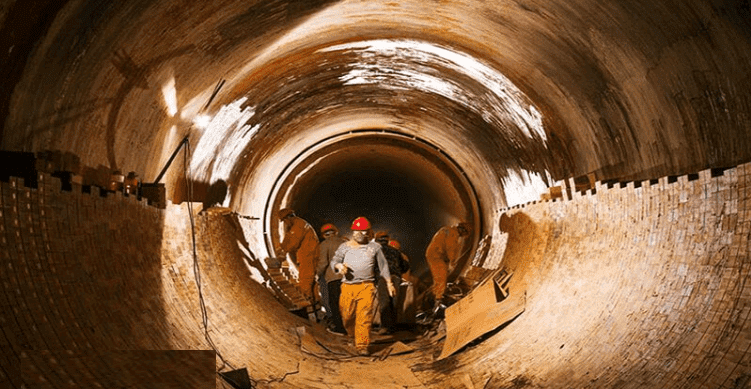
What is Refractory Cement Dust?
Refractory cement dust is the fine particulate matter produced during the use of refractory cement. Most particles range from 1 to 50 microns in diameter, while some fine particles can reach sub-micron levels. Refractory cement dust usually contains a higher proportion of crystalline silica. After high-temperature exposure, it can further form cristobalite and other crystals.
Refractory cement dust mainly consists of calcium aluminate minerals and alumina. These particles have strong airborne characteristics. They are very fine, become alkaline when mixed with water, and easily generate respirable dust in dry conditions. This makes them a major source of risk.
Causes of Refractory Cement Dust
Refractory cement dust mainly comes from the following stages:
- Dry powder handling stage: dry mixing, stirring, pneumatic conveying, and packaging.
- Construction preparation stage: dry material conveying, weighing, and feeding before adding water on site.
- Forming and post-processing stage: demolding, cutting, grinding, and finishing after casting.
- Demolition stage: removal of old kiln linings (especially materials after high-temperature use, which have high cristobalite content and high brittleness).
Dry construction methods or low-water castables tend to generate more dust. Vibration, wind, or mechanical impact can worsen the dust. During old lining demolition, the sintered and hardened material breaks into a higher proportion of fine powder.
Potential Risks of Refractory Cement Dust
Health Risks Inhaling the dust can irritate the nose, throat, and respiratory tract, causing cough and chest tightness. Contact with eyes or skin may cause irritation, redness, or mild burns.
Risks to Equipment When dust levels are high, it may cause some segregation in the castable. This affects flowability and uniformity, which in turn influences the density and strength of the lining. Over long-term operation, it may reduce local performance of the lining and increase maintenance frequency.
Refractory Cement Dust Control Measures
Engineering Controls
- Use wet methods: add water or spray to suppress dust during mixing, cutting, and grinding.
- Install local ventilation or dust collection devices.
- Choose castables with relatively low dust generation.
- Use HEPA-filtered vacuum cleaners for cleaning and avoid dry sweeping.
Construction Process Optimization
- Control water addition and mixing time properly. Reduce unnecessary vibration.
- Consider pre-wetting or step-by-step operations during old lining demolition.
- Perform high-dust operations in enclosed or semi-enclosed spaces whenever possible.
Management and Personal Protection
- Establish a simple dust management process and check the site regularly.
- Workers should wear appropriate dust masks, safety goggles, and other protective equipment.
- Train workers to develop good operating habits.
Conclusion
Refractory cement dust is a common occurrence in construction. Paying attention to dust control at every step will bring better overall results to the project.
JHYRef has always placed great importance on environmental protection and personnel health. If you have any questions about refractory cement, please contact our safety experts.