Refractory cement is a high temperature cement used where ordinary Portland cement would crack, powder, or lose strength under heat. In industrial kilns, furnaces, boilers, incinerators, and repair zones, it helps bond refractory aggregates and create materials that can withstand sustained high-temperature service.
The term is sometimes used loosely. Some people use it to mean the binder itself. Others use it to describe a ready-to-use furnace repair mix, refractory mortar, or refractory castable. That difference matters. For small joints, a mortar may be enough. For thicker linings, working layers, or severe industrial service, an engineered castable or monolithic repair material is usually the better choice.
This guide explains how the material works, where it is used, how it differs from related products, and what to check before choosing a product for furnace repair or lining work.
What is Refractory Cement?
Refractory cement is a cementitious binder designed for high-temperature applications. Unlike ordinary Portland cement, which is made for general construction and loses performance under strong heat, refractory cement is formulated to maintain bonding strength in hot environments.
In many refractory products, the cement acts as the binder. It holds refractory aggregates and fine powders together during mixing, placing, curing, drying, and heating. The final performance depends not only on the cement, but also on the aggregate system, additives, water content, installation method, and dry-out schedule.
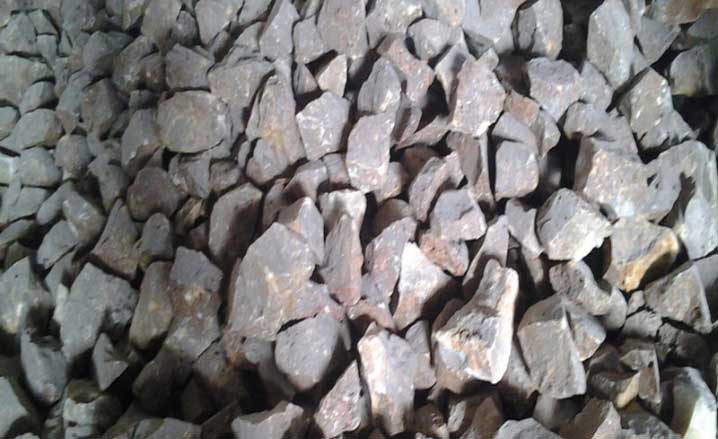
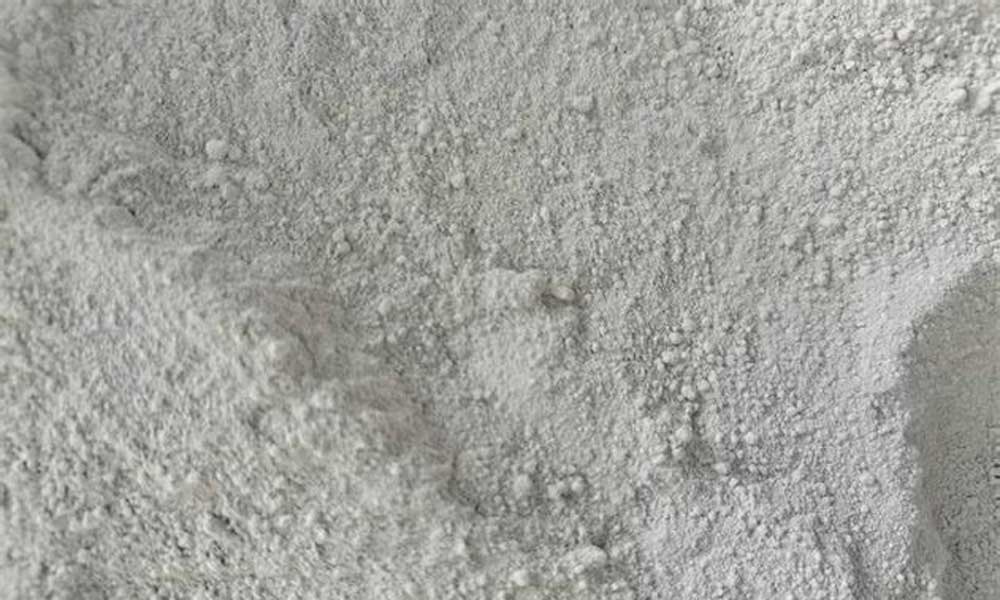
A common industrial form is calcium aluminate cement. It is made from calcium oxide and alumina-bearing raw materials, then processed into clinker and ground into powder. Compared with Portland cement, calcium aluminate cement develops different mineral phases and is more suitable for refractory castables, furnace repair materials, and other high temperature cement applications.
This binder can be used in several ways:
– as a binder in refractory castables
– as a bonding material in refractory mortar
– as part of repair mixes for furnaces and kilns
– as a component in precast refractory shapes
– as a material for small high-temperature repairs when the product is designed for that use
How the Binder Works in High-Temperature Linings
The binder works by holding heat-resistant particles in a stable shape. In a castable, the larger refractory aggregates provide the structural skeleton, the fine powders fill spaces between particles, and the cement phase helps the material set and gain early strength. During drying and heating, the bond system changes, moisture is removed, and the lining develops the strength needed for service.
This is why water control is important. Too much water can weaken the final material and increase drying risk. Too little water can make the mix hard to place and compact. A proper mix should follow the product instructions rather than a general cement recipe.
Dry-out is just as important as mixing. Cement-based refractory materials contain physical and chemically bonded water after installation. If the lining is heated too quickly, trapped moisture can turn into steam before it escapes. That can cause cracking, surface spalling, or in severe cases, explosive damage. Industrial linings should follow a controlled curing and dry-out schedule based on lining thickness, product type, and furnace design.
Refractory Cement vs Mortar vs Castable vs Ordinary Cement
These materials are often confused, but they do different jobs.
| Material | Main Role | Common Use | Important Limitation |
|---|---|---|---|
| Refractory cement | High-temperature binder | Used in castables, mortars, repair mixes, and some bonding work | Not always suitable alone for thick linings |
| Refractory mortar | Thin joint and bonding material | Laying firebricks or refractory bricks | Usually for thin joints, not large cast sections |
| Refractory castable | Complete monolithic refractory mix | Casting furnace linings, repair zones, burner blocks, kiln parts | Requires correct mixing, placing, curing, and dry-out |
| Ordinary Portland cement | General construction binder | Concrete buildings, floors, foundations | Not designed for high-temperature furnace service |
| Fireclay mix | Clay-based heat-resistant material | Some traditional or low-demand repairs | Lower strength and less controlled performance than engineered refractory products |
Cement Binder and Refractory Mortar
Refractory mortar is usually used to bond refractory bricks in thin joints. It needs good workability, adhesion, and compatibility with the brick material. A cement binder may be one part of a mortar system, but a mortar is not the same as a castable lining material.
Cement Binder and Refractory Castable
A refractory castable is a complete mix. It normally contains refractory aggregates, fine powders, cement binder, and additives. The aggregates create volume stability and wear resistance. The cement helps the castable set and gain strength. Additives can improve flow, dry-out, strength, or resistance to specific working conditions.
If a repair area is thick, exposed to abrasion, or under repeated thermal cycling, a castable is often more appropriate than pure cement paste.
High-Temperature Cement and Ordinary Cement
Ordinary cement is not suitable for furnace linings. Under high heat, it can lose strength, crack, powder, or break away from the lining. Refractory cement is formulated for heat exposure, but it still needs to be selected and installed correctly.
Conclusion
Refractory cement is a versatile and essential material for high-temperature applications. JHYRef offers diversified, high-quality, and customizable refractory cement solutions.