What is a magnesia chrome brick?
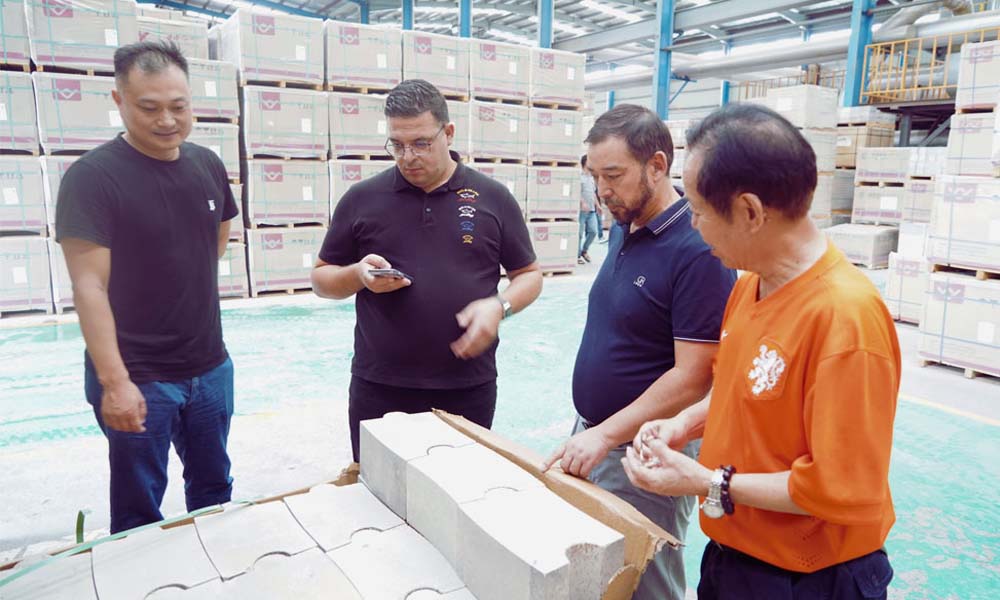
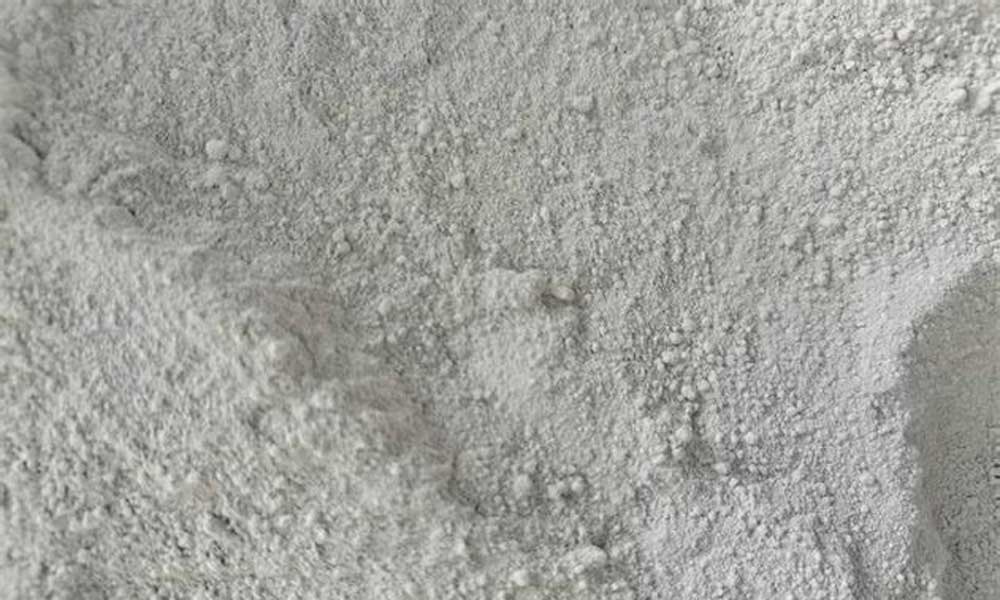
Magnesia chrome bricks are refractory products mainly composed of magnesium oxide (MgO) and chromium oxide (Cr2O3), with periclase and spinel as the primary mineral components. These bricks have high refractoriness, high-temperature strength, strong resistance to alkaline slag erosion, and a certain degree of adaptability to acidic slags.
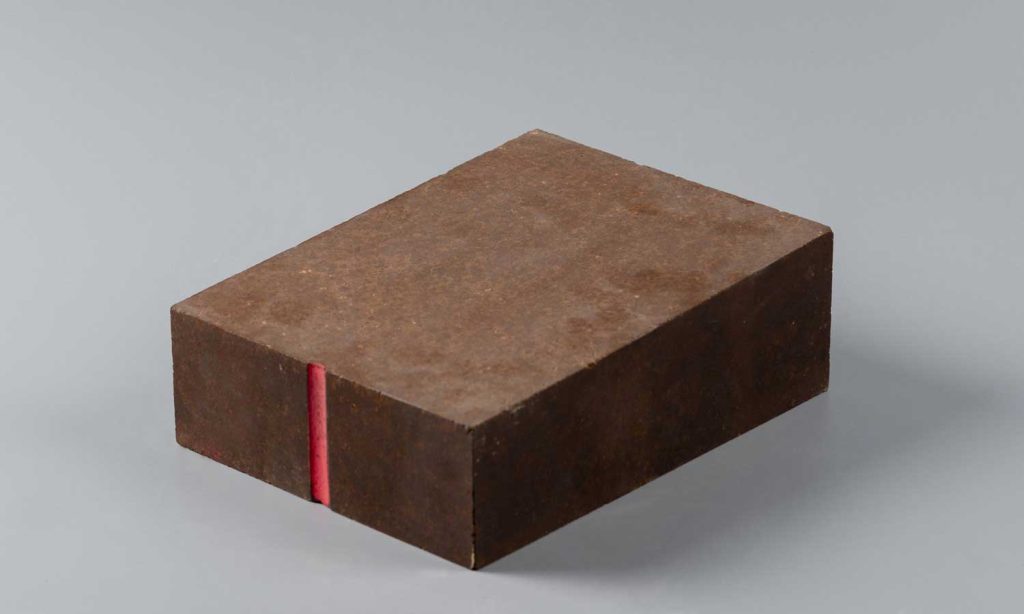
Properties of magnesia chrome bricks
Magnesia chrome bricks exhibit exceptional performance characteristics that make them ideal for extreme industrial environments. These refractory materials combine the strengths of both magnesium oxide and chromium oxide to deliver superior thermal and chemical resistance.
1)Outstanding High-Temperature Performance
Magnesia chrome refractory bricks can withstand extreme heat thanks to the remarkably high melting points of their core components. Magnesium oxide (MgO) melts at approximately 2800°C, while chromium oxide (Cr₂O₃) has a melting point of 2400°C. This exceptional heat resistance allows these bricks to maintain structural integrity and stability even in furnaces operating above 1800°C, making them suitable for steelmaking and other high-temperature metallurgical processes.
2)Superior Load-Bearing Capacity at Elevated Temperatures
One of the critical advantages of magnesia chrome bricks is their high-temperature load softening resistance. Unlike many refractory materials that deform under pressure at high temperatures, these bricks maintain their dimensional stability and mechanical strength even when subjected to heavy loads in furnace linings. This property is particularly valuable in rotary kilns and furnace walls where both thermal and mechanical stress occur simultaneously.
3)Excellent Corrosion and Slag Resistance
Magnesia chrome bricks demonstrate outstanding performance in corrosive high-temperature environments. They offer:
Strong alkaline slag resistance: Exceptional durability against basic slags commonly found in steelmaking processes
Moderate acid tolerance: Reasonable adaptability to acidic slag conditions, though alkaline resistance remains their primary strength
Chemical attack protection: Resistance to penetration and chemical degradation from molten metals and slags
This corrosion resistance extends the service life of furnace linings and reduces maintenance frequency in industrial operations.
4)Excellent Chemical Stability
The solid solution formed between magnesium oxide and chromium oxide creates a chemically stable matrix within the brick structure. This MgO-Cr₂O₃ solid solution exhibits minimal reactivity with most industrial atmospheres and process materials, ensuring consistent performance throughout the brick’s operational lifetime. The formation of magnesio-chromite spinel (MgCr₂O₄) during manufacturing further enhances this chemical stability.
Industrial Applications of Magnesia Chrome Bricks
Cement Industry
Used in rotary kiln burning zones (1450–1500°C), where excellent coating adherence stabilizes the refractory lining and resists clinker liquid phase erosion.
Steel and Metallurgical Industry
Applied in ladle slag lines, RH vacuum degassing units, and electric arc furnace tap holes, resisting high-basicity oxidizing slag penetration and erosion.
Copper Smelting Industry
Installed in converter blowing zones, reverberatory furnace walls, and electric furnace melting zones, enduring extreme corrosion from FeO, Cu₂O, sulfide slags and alternating oxidizing-reducing atmospheres.
Glass Industry
Used in upper checker bricks of glass furnace regenerators, resisting alkali vapor (Na₂O/K₂O) and high-temperature flue gas attack.
Chemical and Non-Ferrous Metallurgy
Used in ammonia synthesis gas generators, nickel/cobalt smelting furnaces, adapting to sulfur-containing, alkaline, and highly oxidizing gas environments.
Application Trends of Magnesia Chrome Bricks
In industries with strict environmental regulations—including cement, glass, and conventional steelmaking—magnesia chrome bricks have been fully replaced by chrome-free refractory materials due to hexavalent chromium prohibition policies. However, in extreme-duty applications such as copper smelting, specialty steel ladles, and certain chemical furnaces, their irreplaceable slag resistance, coating stability, and thermal shock tolerance ensure stable application trends, with ongoing optimization and performance upgrades continuing in these sectors.
Conclusion
Magnesia chrome bricks remain a critical refractory solution for high-temperature industrial applications, offering exceptional refractoriness, wear resistance, thermal shock stability, and chemical corrosion resistance. While environmental regulations have driven chrome-free transitions in cement, glass, and conventional steelmaking, these bricks continue to be irreplaceable in extreme-duty applications such as copper smelting and specialty metallurgical processes.