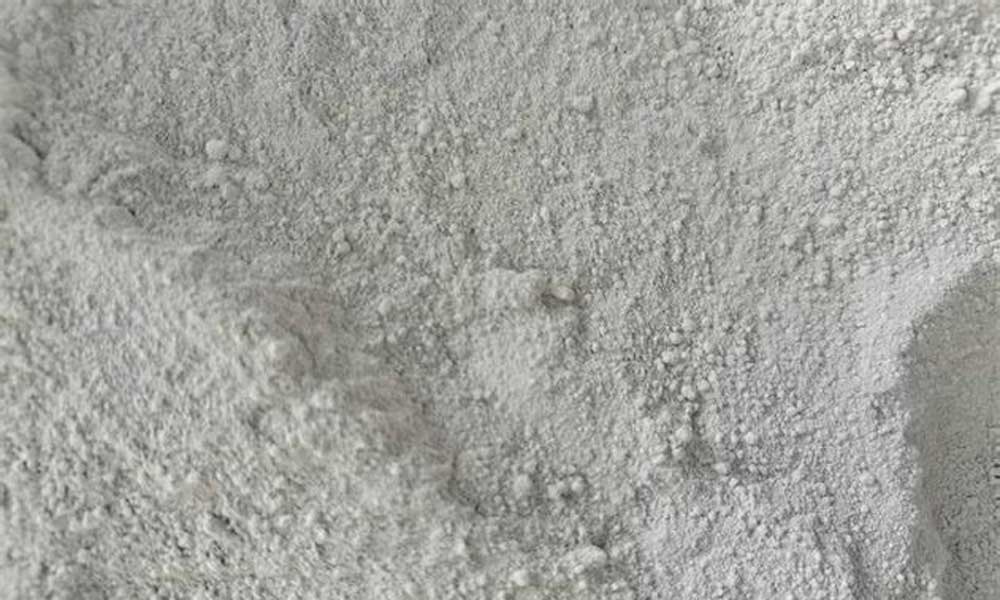
Low cement castable differs from conventional castable mainly in cement content, density, strength, and high-temperature performance. Low cement castable contains less calcium aluminate cement, has lower porosity, and usually offers better abrasion resistance, thermal shock resistance, and service life in demanding furnace linings. Conventional castable is easier to install and more economical for general refractory applications.
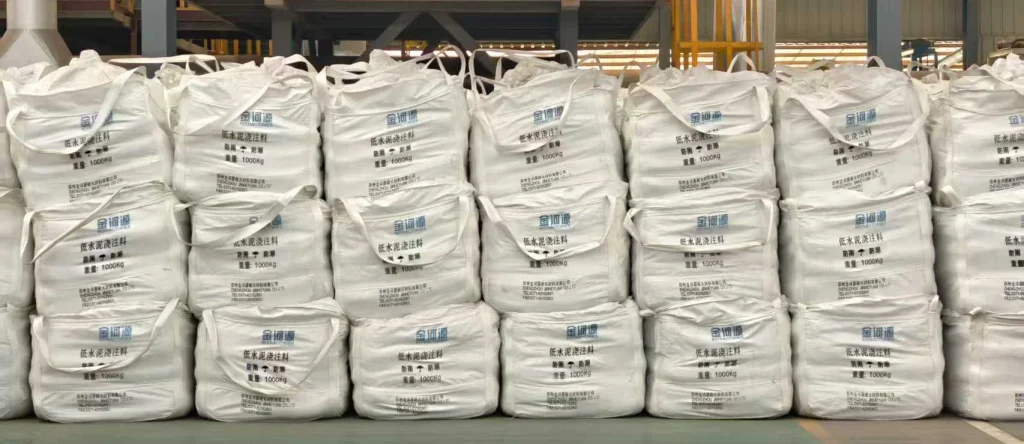
What Is Conventional Castable?
Conventional castable is a refractory castable that usually contains a relatively higher amount of calcium aluminate cement as the bonding agent. It is easy to mix, install, and cure, which makes it suitable for many general-purpose refractory lining applications.
Because of its simpler formulation and easier construction, conventional castable is often used where operating conditions are moderate and extreme strength, density, or corrosion resistance is not the main requirement.
Typical applications include general furnace linings, backup linings, low-to-medium temperature areas, and maintenance projects where ease of installation is important.
What Is Low Cement Castable?
Low cement castable is a high-performance refractory castable with a reduced cement content. Compared with conventional castable, it uses less calcium aluminate cement and often includes fine powders, additives, and dispersants to improve flowability, density, and bonding strength.
The lower cement content helps reduce CaO in the material. This is important because excessive CaO can affect refractoriness and high-temperature performance. As a result, low cement castable usually offers better strength, lower porosity, higher density, and improved resistance to abrasion and thermal shock.
Main Differences Between Low Cement Castable and Conventional Castable
1. Cement Content
The most obvious difference is cement content. Conventional castable contains more cement, while low cement castable is designed with a lower cement ratio.
Lower cement content generally means lower CaO content, which can improve high-temperature performance and reduce the formation of low-melting phases during service.
2. Strength and Density
Low cement castable usually has higher strength and better density after proper installation and curing. Its optimized particle grading allows the material to form a more compact structure.
Conventional castable is easier to handle, but its structure is usually more porous. In demanding conditions, this may lead to faster wear or shorter service life.
3. Water Addition
Low cement castable normally requires less water during mixing. This helps reduce porosity after drying and firing. However, it also means that water addition must be controlled carefully.
Conventional castable is more forgiving during installation, but excessive water can still reduce strength and increase shrinkage or cracking risk.
4. Installation Requirements
Conventional castable is easier to install and is suitable for many standard projects. Low cement castable requires more careful mixing, vibration, curing, and drying.
If low cement castable is not installed properly, its performance advantages may not be fully achieved. For this reason, construction quality is especially important.
5. High-Temperature Performance
Low cement castable generally performs better in high-temperature and harsh working environments. It has better resistance to thermal shock, slag erosion, abrasion, and mechanical stress.
Conventional castable is more suitable for less severe conditions where cost and simple installation are more important than maximum performance.
When Should You Choose Low Cement Castable?
Low cement castable is a better choice when the lining needs to withstand high temperature, strong abrasion, thermal shock, or chemical attack. It is commonly used in cement kilns, steel ladles, reheating furnaces, boilers, incinerators, and other industrial furnace linings.
Among the common types, aluminum low-cement castables are suitable for high-temperature furnace linings, heating furnaces and general heavy-duty areas, while silicon carbide low-cement castables are more suitable for areas with severe wear, frequent thermal shocks or more demanding working conditions.
It is especially suitable when longer service life and reduced maintenance frequency are important.
When Is Conventional Castable Suitable?
Conventional castable is still useful in many applications. It is suitable for general furnace linings, backup layers, less aggressive working areas, and projects where installation simplicity and cost control are priorities.
For moderate operating conditions, conventional castable can be a practical and economical solution.
Conclusion
Low cement castable and conventional castable serve different purposes. Conventional castable is easier to install and cost-effective for general applications, while low cement castable provides better strength, density, and high-temperature performance.
The right choice depends on working temperature, abrasion level, chemical environment, installation conditions, and expected service life. For demanding furnace linings, low cement castable is often the better long-term solution. For standard or less severe conditions, conventional castable may still be sufficient.