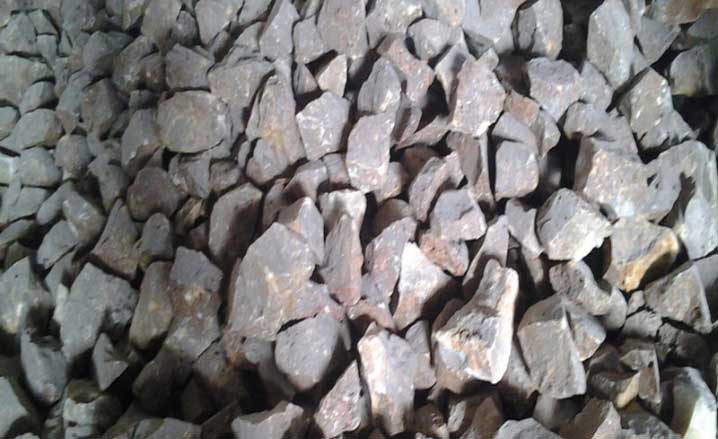
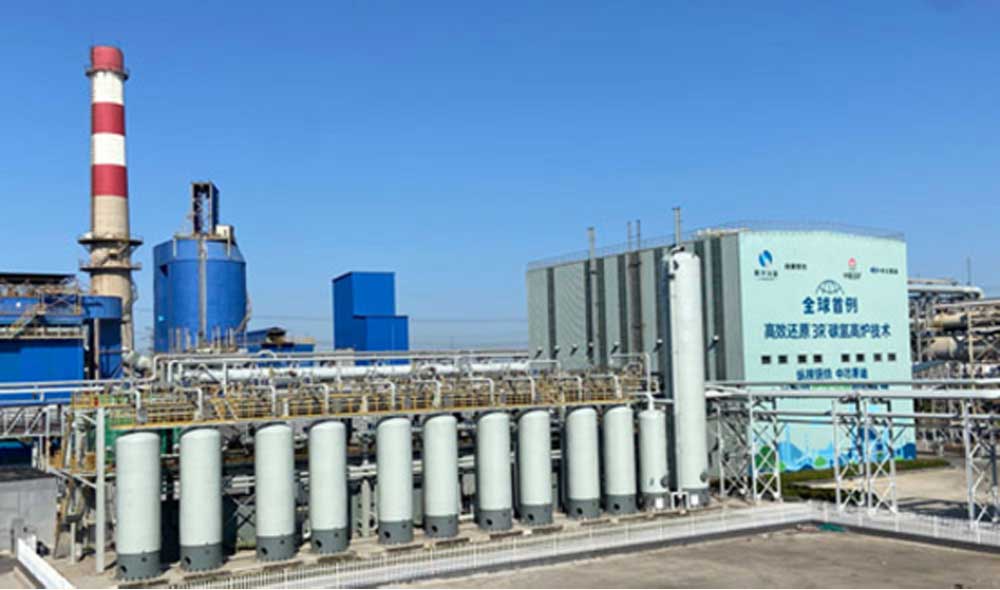
China is the world’s largest producer and consumer of zinc. Every year, our country generates millions of tons of zinc-containing solid waste. The heavy metals such as zinc, lead, and cadmium in this waste pollute groundwater, endangering ecological safety and human health. However, zinc-containing solid waste is not garbage — it is a valuable secondary resource.
The rotary kiln process is the mainstream method for recovering zinc from solid waste. Due to various factors, traditional refractory bricks often fall short. JHYRef has developed a new type of phosphate-bonded wear-resistant brick that can significantly improve service life. This blog will provide a detailed introduction.
Background of Product Development
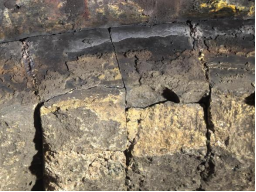
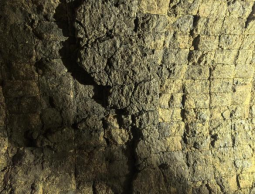
1.Erosion Failure
Zinc vapor is highly corrosive and reacts with the brick body, eroding the refractory bricks.
Calcium, silicon, iron, and aluminum in zinc-containing solid waste form slag that penetrates into the refractory bricks and reacts with the brick body, causing erosion.
The rotation of the kiln, the gravity of the materials, and temperature gradients generate thermal stress inside the refractory bricks, which easily initiates cracks and causes them to continuously expand.
2.Short Service Life of Conventional Refractory Bricks
At present, the mainstream product used in zinc rotary kilns is ordinary phosphate-bonded wear-resistant brick, with a typical service life of ≥6 months.
In a zinc rotary kiln at a plant in Sichuan, China, the service life of this mainstream ordinary phosphate-bonded wear-resistant brick is only about 4 months.
In a zinc rotary kiln at a plant in Hunan, China, the service life of this mainstream ordinary phosphate-bonded wear-resistant brick is only about 2 months.
Features of JHYRef New Phosphate-Bonded Wear-Resistant Brick
1.Chemical Composition
JHYRef’ s new phosphate-bonded wear-resistant brick has undergone systematic optimization in its chemical composition.
| Chemical Composition | New Type (%) | Ordinary (%) |
|---|---|---|
| SiO₂ | 10.62 | 15.31 |
| Al₂O₃ | 78.34 | 75.24 |
| Fe₂O₃ | 1.40 | 2.10 |
| TiO₂ | 2.46 | 3.06 |
| CaO | 0.35 | 0.33 |
| Additives | 2.50 | – |
2.Physical Properties
The new phosphate-bonded wear-resistant brick has lower apparent porosity, higher bulk density, and significantly increased compressive strength. These changes indicate a higher degree of densification of the material, along with better mechanical properties and wear resistance.
| Physical Properties | New Type | Ordinary |
|---|---|---|
| Apparent Porosity (%) | 11.6 | 12.5 |
| Bulk Density (g/cm³) | 3.04 | 2.91 |
| Compressive Strength (MPa) | 197.4 | 170.1 |
Usage Data of JHYRef New Phosphate-Bonded Wear-Resistant Brick
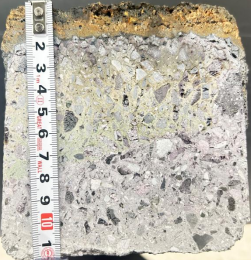
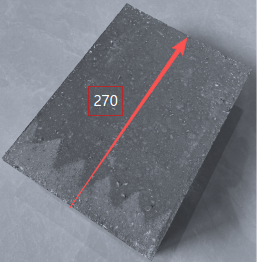
In the zinc rotary kiln of a plant in Sichuan, China, the mainstream phosphate-bonded wear-resistant brick was replaced with JHYRef’s new phosphate-bonded wear-resistant brick. The service life of the phosphate-bonded wear-resistant brick increased from 4 months to 7 months. The spalling rate of the refractory brick is (270-115)/210 = 0.7381 mm/d.
Conclusion
JHYRef engineers conducted a detailed erosion analysis on the kiln coating, black reaction layer, and transition layer of the failed composite bricks. This blog will not introduce the erosion analysis results in detail. If you are interested in the erosion results, please contact our engineers to obtain the full test report.
- In actual use, the introduction of additives in the working layer of the composite brick promoted the formation of a dense layer between the kiln coating and the transition layer.
- The dense layer is mainly composed of continuous composite spinel, with low-melting-point silicate phases dispersed within it.
- The formation of the dense layer prevents slag penetration, causing the working layer of the composite brick to spall at a rate of 0.74 mm/d. In a zinc rotary kiln in Sichuan, the service life of the composite brick in the high-temperature zone increased from about 4 months to about 7 months, effectively extending the service life of the composite brick in the high-temperature zone.
JHYRef
If your rotary kiln encounters similar problems when processing zinc-containing solid waste, or if you need detailed test data, industrial application cases, or rotary kiln lining solutions for JHYRef new phosphate-bonded wear-resistant brick, please feel free to contact the JHYRef engineering and technical team for technical support.