To choose refractory materials for an industrial furnace, start with the furnace type and lining zone, then evaluate working temperature, slag or chemical attack, atmosphere, abrasion, thermal cycling, load, installation method, and dry-out requirements. The right material may be refractory brick, castable, mortar, ramming mass, gunning mix, or insulation material depending on the working conditions.
The most common mistake is choosing by temperature rating alone. A material that can withstand high temperature may still fail early if the slag chemistry is wrong, the lining is exposed to abrasion, the furnace cycles too often, or a castable is heated too quickly after installation.
This guide provides a practical framework for selecting refractory materials used in high-temperature industrial furnaces, kilns, and thermal processing equipment.
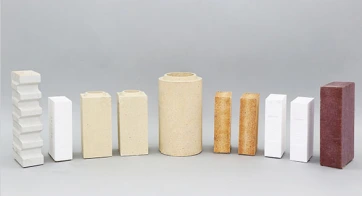
Start With the Furnace and Lining Zone
The same plant may need several refractory materials because every furnace zone has different stress. A cement kiln burning zone, preheater, cooler, kiln hood, and tertiary air duct do not experience the same chemistry or mechanical wear. A steel ladle slag line, bottom, sidewall, and backup lining also require different material logic.
Before comparing product names, define the service zone:
1. What furnace or kiln is it?
2. Which lining position needs the material?
3. Is it a working lining, safety lining, backup lining, insulation layer, roof, wall, hearth, slag line, outlet, or repair patch?
4. What is the main damage mechanism: corrosion, erosion, abrasion, cracking, spalling, penetration, heat loss, or structural failure?
5. Is the material used for new construction, shutdown repair, emergency repair, or replacement of an existing lining?
For example, a cement plant may ask for a “high temperature brick” for a rotary kiln. That is not enough information. The burning zone may need coating compatibility and high-temperature stability. The transition zone may need thermal shock resistance. The kiln outlet may need abrasion and thermal cycling resistance. Each zone points to a different refractory direction.
This is why JHYRef normally frames selection around kiln and furnace refractory lining conditions rather than only product category.
Match Refractory Chemistry to the Working Environment
Refractory materials are often grouped by chemical behavior. This does not decide everything, but it is one of the first filters.
| Chemical type | Common materials | Typical fit | Main caution |
|---|---|---|---|
| Acidic refractories | Silica brick, fireclay brick, aluminosilicate materials | Acidic slags, coke ovens, selected glass furnace zones | Vulnerable to basic slag or lime-rich attack |
| Basic refractories | Magnesia brick, magnesia chrome brick, magnesia carbon brick, magnesia spinel brick | Alkaline slag, steelmaking, cement, lime, nonferrous smelting | May not fit acidic environments |
| Neutral / special refractories | High alumina, corundum, zircon, silicon carbide, carbon-containing systems | Severe wear, corrosion, thermal shock, special process conditions | Selection depends heavily on application |
Acidic Refractory Materials
Acidic materials include silica-based and many aluminosilicate refractories. Silica refractory brick is associated with glass furnaces and coke ovens. Fireclay and some aluminosilicate materials may fit less severe or backup lining zones.
Do not use acidic materials in environments where basic slags or lime-rich process materials will attack them.
Basic Refractory Materials
Basic materials include magnesia brick, magnesia chrome brick, magnesia carbon brick, dolomite-related materials, and spinel systems. They are often considered for steel, cement, lime, and nonferrous metallurgy where alkaline slag or severe chemical attack is present.
For steel ladles and converters, magnesia carbon brick is common because it combines basic refractory behavior with carbon’s slag resistance and thermal shock advantages.
Neutral and Special Refractory Materials
Neutral or special refractory materials include high alumina, corundum, chrome corundum, silicon carbide, zircon, and carbon-containing systems. These are often chosen when the problem is not only temperature, but abrasion, corrosion, metal penetration, thermal shock, or contamination control.
High alumina brick can be used across many kiln and furnace zones. Corundum brick is considered for high-purity or severe service areas. Silicon carbide materials may be useful where thermal shock and abrasion resistance are important.
Evaluate the Main Operating Conditions
After chemical compatibility, evaluate the full working environment. A good refractory material selection process should cover all of these conditions.
| Condition | Why it matters | Selection direction |
|---|---|---|
| Working temperature | Determines refractoriness, phase stability, and strength retention | Check normal and peak temperature, not only maximum advertised rating |
| Slag chemistry | Controls corrosion and penetration behavior | Match acidic, basic, neutral, or special chemistry |
| Atmosphere | Oxidizing or reducing gases affect carbon, SiC, additives, and bonding systems | Confirm gas environment and process changes |
| Abrasion | Dust, clinker, ore, slag, and material flow wear the lining | Choose dense, strong, wear-resistant materials |
| Thermal shock | Heating and cooling cycles cause cracking and spalling | Choose materials with suitable thermal shock resistance |
| Load and structure | Roofs, arches, ladles, and rotary kilns require mechanical stability | Check cold crushing strength, RUL, and brick shape |
| Installation method | Brickwork, casting, gunning, ramming, and mortaring behave differently | Choose the product form that fits construction |
| Dry-out / heat-up | Poor dry-out can crack or damage castables | Plan curing and heating schedule before startup |
Thermal shock deserves special attention. Severe temperature variations create stress inside refractory linings. A material with high refractoriness can still crack if it cannot tolerate repeated heating and cooling.
Castable dry-out is another common problem. Dense castables contain water after installation. If they are heated too quickly, steam pressure can build inside the lining and cause cracking or spalling. This is why refractory castable selection must include installation and dry-out planning, not just material chemistry.
Choose the Right Product Form
Once the working conditions are clear, choose the product form. Many furnace problems are caused by using the wrong form, even when the material family is reasonable.
| Product form | Best use | Selection notes |
|---|---|---|
| Refractory brick | Stable shaped lining, high load, predictable geometry | Good for walls, arches, rings, ladles, and custom shapes |
| Refractory castable | Monolithic lining, complex shapes, repair zones | Requires proper mixing, curing, and dry-out |
| Refractory mortar | Brick joints and masonry bonding | Match mortar to brick type and joint thickness |
| Gunning mix | Sprayed lining repair or construction | Useful for maintenance and hard-to-form areas |
| Ramming mass | Compacted lining or local repair | Used where dense compaction is needed |
| Plastic refractory | Patching, burner areas, complex repair work | Installed by ramming or forming |
| Insulation material | Backup lining and heat loss reduction | Not suitable for severe wear zones unless designed for it |
Refractory Bricks
Use refractory bricks when the lining needs shaped stability, controlled joints, structural strength, or drawing-based geometry. Brick linings are common in rotary kilns, ladles, furnace walls, arches, glass furnace structures, and many industrial zones.
Typical brick options include fireclay brick, high alumina brick, magnesia brick, magnesia chrome brick, magnesia carbon brick, silica brick, corundum brick, zircon brick, and many special shapes. If the furnace requires non-standard dimensions, work with a refractory brick manufacturer that can discuss drawings and custom shapes.
Refractory Castables
Use refractory castable when the lining shape is complex, brickwork is inefficient, or repair areas need monolithic construction. Castables are common in kiln hoods, burner areas, furnace doors, outlets, runners, preheater zones, incinerators, boilers, and emergency repair areas.
Castables are flexible, but they are not forgiving when installed poorly. Water content, vibration, curing, anchors, thickness, and dry-out schedule all affect service life.
Mortars, Ramming Masses, Gunning Mixes, and Plastics
Refractory mortar is used for brick joints, not as a large-volume cast lining. Ramming masses are compacted into place and may be used in furnace bottoms, repair zones, and specific metallurgical applications. Gunning mixes are sprayed for repair or construction where forming is difficult. Plastic refractories are used for patching and shaped repairs.
These materials are practical for maintenance teams, but they should still match temperature, chemistry, and wear conditions.
Insulating Materials
Refractory insulation is used to reduce heat loss, lower shell temperature, save energy, and protect steel structures. Insulating bricks, nano insulation boards, and lightweight castables belong in backup layers and insulation zones.
Do not use a lightweight insulation material in a severe abrasion or slag contact zone unless the product is specifically designed for that duty. A low-density material in the wrong location can fail quickly.
Select Refractory Materials by Industry
Industrial selection becomes clearer when you map the material to the application.
| Industry | Common conditions | Likely material direction |
|---|---|---|
| Cement | Alkali, coating, clinker abrasion, thermal cycling | Magnesia spinel, magnesia chrome where allowed, high alumina, SiC, castables |
| Lime | High temperature, chemical wear, thermal cycling, heat loss | Magnesia, alumina, dolomite-related materials, insulation |
| Iron and steel | Molten steel, slag, erosion, impact, thermal shock | MgO-C, alumina magnesia carbon, castables, ramming masses |
| Nonferrous | Aggressive slag, metal penetration, oxidation/reduction | Magnesia chrome, chrome corundum, corundum, SiC castables |
| Glass | Corrosion, contamination control, high-temperature stability | Silica, AZS, zircon, dense zircon, selected alumina materials |
| Waelz / zinc oxide kiln | Abrasion, corrosion, ring formation, kiln outlet wear | High alumina, fireclay, SiC castables, steel fiber castables, insulation |
| Incineration / waste | Chemical attack, abrasion, temperature fluctuation | High alumina, SiC, chrome corundum, selected castables |
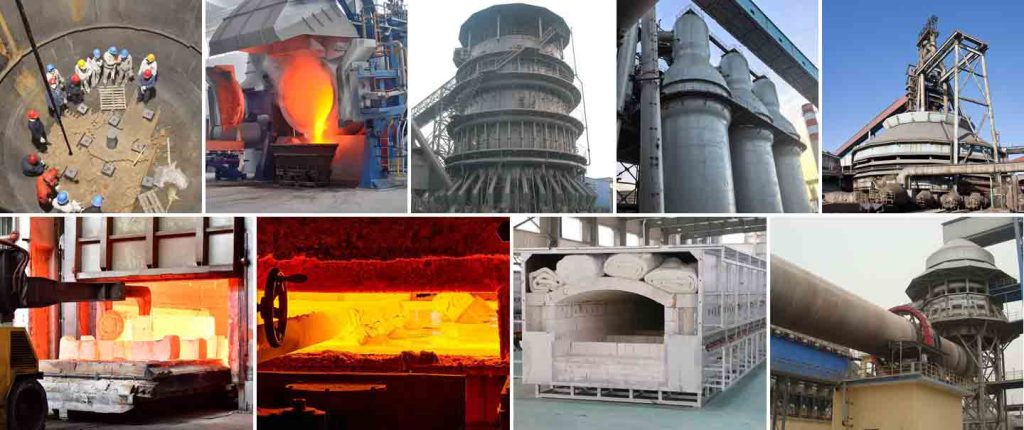
For cement kiln refractory solutions, material selection often changes by kiln zone. For steel industry refractories, slag line and impact zones can be more critical than backup areas. For nonferrous refractory solutions, slag chemistry and metal penetration often drive material choice.
In Waelz and zinc oxide rotary kilns, abrasion, chemical corrosion, thermal cycling, and kiln outlet wear must be considered together. JHYRef’s Waelz kiln refractory solutions are built around this type of zone-specific thinking.
Read the Datasheet Before Buying
A refractory datasheet helps you compare materials, but only if you know what the data means. Do not look only at maximum service temperature.
| Datasheet item | What it helps evaluate |
|---|---|
| Chemical composition | Main material system and slag compatibility |
| Bulk density | Compactness, strength direction, and insulation tendency |
| Apparent porosity | Penetration risk, corrosion resistance, and structure |
| Cold crushing strength | Mechanical strength at room temperature |
| Refractoriness under load | High-temperature load-bearing behavior |
| Permanent linear change | Volume stability after heating |
| Thermal shock resistance | Resistance to heating/cooling damage |
| Thermal conductivity | Insulation or heat transfer behavior |
| Maximum service temperature | Upper temperature reference, not the only selection factor |
| Installation and dry-out guidance | Construction and startup requirements |
Avoid Common Selection Mistakes
Avoid these mistakes when choosing refractory materials:
– Choosing only by maximum temperature: A high-temperature rating does not guarantee slag resistance, abrasion resistance, or thermal shock stability.
– Ignoring slag chemistry: Acidic, basic, and neutral environments need different refractory systems.
– Using dense material where insulation is needed: This can increase heat loss and shell temperature.
– Using insulation material in a wear zone: Lightweight materials are not usually designed for direct abrasion or slag attack.
– Using castable without planning dry-out: Fast heating can cause cracking, spalling, or steam-pressure damage.
– Replacing a custom shape with a standard brick: This can change joint thickness, lining stability, and installation quality.
– Selecting only by low price: Lower initial cost can be expensive if the lining fails early.
– Sending incomplete inquiry information: Without furnace conditions, the supplier can only guess.
The best selection is not always the most expensive material. It is the material that fits the failure mechanism and service zone.
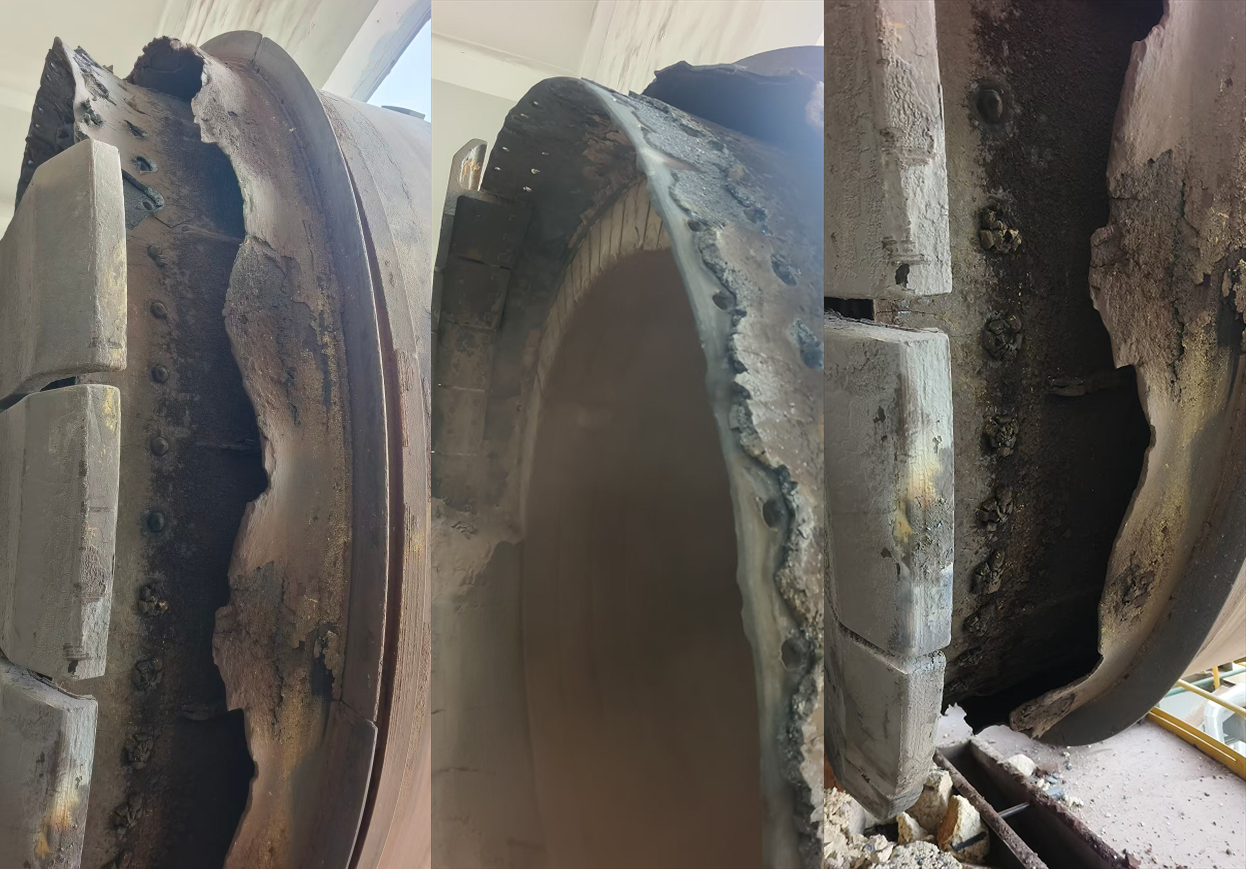
Information to Provide Before Requesting a Quote
The more complete the inquiry, the better the recommendation. Use this checklist before contacting a refractory supplier.
| Information to provide | Example |
|---|---|
| Furnace type | Cement kiln, steel ladle, copper furnace, Waelz kiln |
| Lining zone | Working lining, backup lining, slag line, roof, outlet |
| Working temperature | Normal and peak temperature |
| Chemical environment | Slag, alkali, metal, ash, gas, reducing/oxidizing atmosphere |
| Wear condition | Abrasion, impact, erosion, thermal cycling |
| Current material | Existing brick, castable, ramming mass, or unknown |
| Current problem | Cracking, spalling, corrosion, wear, heat loss |
| Product form | Brick, castable, mortar, gunning mix, ramming mass |
| Size or drawing | Dimensions, custom shape, lining drawing |
| Quantity and destination | Quotation, packaging, and freight planning |
It’s not always necessary to provide all these details when inquiring, but supplying such detailed information to manufacturers or suppliers helps better calculate prices and determine the specifications of refractory materials.
FAQ About Refractory Material Selection
The most important factor is the actual working condition. Start with furnace type, lining zone, temperature, slag chemistry, atmosphere, abrasion, thermal cycling, and installation method. Product name alone is not enough.
Choose refractory brick when the lining needs stable shape, structural strength, brick rings, arches, or special shapes. Choose castable when the area is irregular, monolithic construction is preferred, or repair work needs pouring, forming, or precast parts.
Identify whether the slag is acidic, basic, or complex, then select a compatible material system. Basic slags often require basic refractories such as magnesia-based materials. Severe nonferrous slags may need magnesia chrome, chrome corundum, corundum, silicon carbide, or other special systems.
Dense refractories are used for working linings, wear zones, slag contact, and structural areas. Insulating refractories are used to reduce heat loss and protect backup layers. They may look similar in shape, but their density, strength, and purpose are different.
Castables contain water after installation. During first heating, water must escape safely. If heating is too fast, steam pressure can damage the lining. Dry-out planning is part of castable selection.
Usually not. A furnace may need different materials for the working lining, backup lining, roof, slag line, outlet, burner area, and insulation layer. Zone-specific selection usually improves reliability.
Send furnace type, lining zone, operating temperature, slag or atmosphere conditions, wear condition, current lining problem, product form, size or drawing, quantity, and destination. Photos and old brick samples can also help.
Conclusion
Knowing how to choose refractory materials means looking beyond product names and temperature ratings. The right choice depends on furnace type, lining zone, chemistry, abrasion, corrosion, thermal shock, load, installation method, and startup conditions.
For industrial furnaces, a practical selection process starts with the problem the lining must solve. Then it matches the material family, product form, size, and installation plan to that working condition.
JHYRef supplies refractory bricks, castables, mortars, ramming masses, gunning mixes, insulation materials, and custom refractory solutions for cement, lime, steel, nonferrous, glass, Waelz kiln, zinc oxide rotary kiln, and other high-temperature applications. To discuss a project, contact JHYRef with your furnace conditions, drawings, size requirements, quantity, and destination.