Fireclay bricks (also known as fire mud bricks or clay refractory bricks) are refractory bricks primarily made from fireclay or clinkers fired at high temperatures. They are among the most commonly used basic refractory materials in industrial furnaces, boilers, forging furnaces, foundries, and ceramic kilns. One of the most frequently asked questions by buyers and engineers is: how long do fireclay bricks actually last?
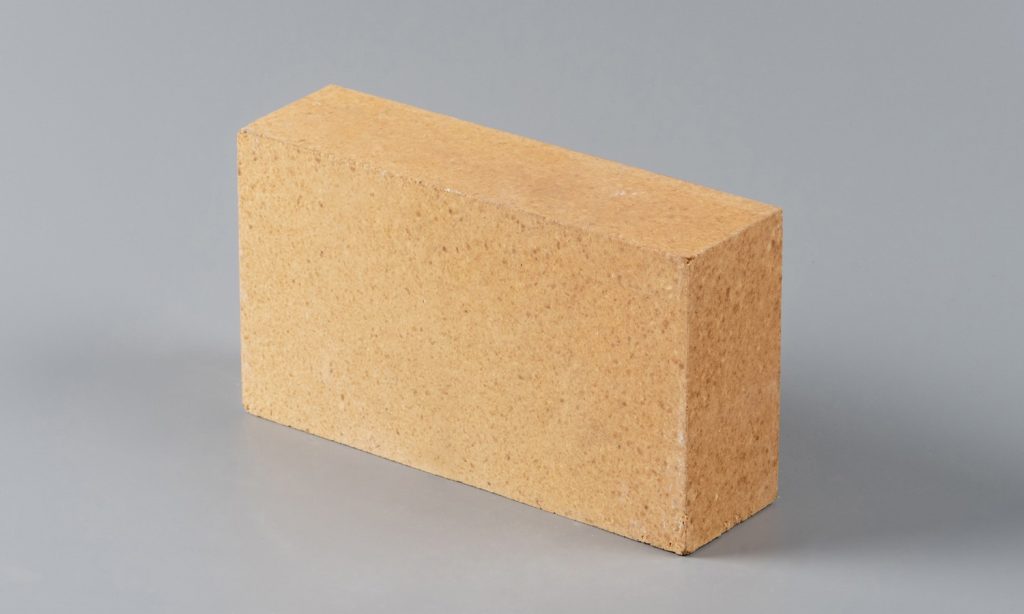
Typical service life reference for fireclay bricks
The actual service life of fireclay bricks can vary greatly and does not have a fixed duration.
| Scenarios | Typical service life |
| Home use / small forging furnaces, fireplaces, pizza ovens, etc. | 5–10 years |
| Hot-air furnace / heating stove | 2- 3 years |
| Glass furnace regenerator | 1.5- 3 years |
| Cement rotary kiln | 6- 12 months |
Five key factors that determine how long fireclay bricks can last
- Thermal shock frequency and severity: Frequent start-stop cycles, rapid heating, and sudden cooling can significantly damage fireclay bricks. Bricks with poor thermal shock resistance are more likely to develop through-cracks, which can directly reduce their service life by half.
- Chemical attack (slag, gases, molten metals): Alkaline slag, acidic slag, reducing atmospheres, fluorine-containing gases, and molten metals can all accelerate corrosion. In industries such as steel, glass, and aluminum, chemical attack is much more severe, and the service life is often only 50–70% of that in ceramic kilns operating at similar temperatures.
- Brick quality and grade:
- Installation and drying quality: Excessive joint thickness, poor bonding between bricks, and overly rapid heating during the initial drying process can lead to early spalling and a sharp reduction in service life.
- Routine maintenance: Timely patching, hot repairs, and avoiding mechanical impact can effectively extend the lifespan of fireclay bricks.
How to maximize the service life of fireclay bricks?
- Choose the right grade: Select refractory bricks of different grades according to specific operating conditions.
- Follow strict drying procedures: Adhere closely to the manufacturer’s drying curve and avoid rapid heating.
- Control thermal shock: Minimize sudden start-stop cycles, and add buffer layers if necessary.
- Regular inspection and hot repairs: Promptly patch or replace worn areas when thinning or damage is detected.
- Record each furnace campaign: Track temperature curves, slag samples, and damage photos to help analyze and optimize material selection for future campaigns.
Conclusion
How long do fire clay bricks last? It depends on the actual operating conditions. By carefully selecting high-quality refractory bricks according to standards and performing regular inspections and maintenance, you can effectively reduce downtime and, in turn, lower production costs.
FAQ
A: That’s an average range. Actual service life can be much longer or shorter depending on the application:
Home use (fireplaces, pizza ovens): 8–10 years or more
Light industry (ceramic kilns, small forging furnaces): 3–5 years
Heavy industry (cement rotary kilns, high-temperature glass furnaces): 6 months–2 years
Extreme conditions (frequent thermal shock + strong chemical attack): possibly less than 6 months
A: Consider replacing bricks if you notice any of the following:
Severe surface erosion, spalling, or flaking
Bricks becoming soft and easily scratched with a hard tool
Mortar joints crumbling or bricks becoming loose
Abnormal furnace temperatures (indicating increased heat loss)
A: Mainly due to temperature gradients and varying working conditions inside the furnace:
High-temperature zones: Near the bricks’ refractory limit and subject to chemical attack
Transition zones: Experience the most severe thermal shock (large temperature fluctuations)
Low-temperature zones: Lower heat and minimal chemical erosion
A: We provide four types of fireclay bricks: standard fireclay bricks, dense fireclay bricks, low-creep fireclay bricks, and thermal-shock-resistant fireclay bricks. Each type is optimized for different temperatures, loads, and operating conditions. For specific selection advice, please contact our technical support team.