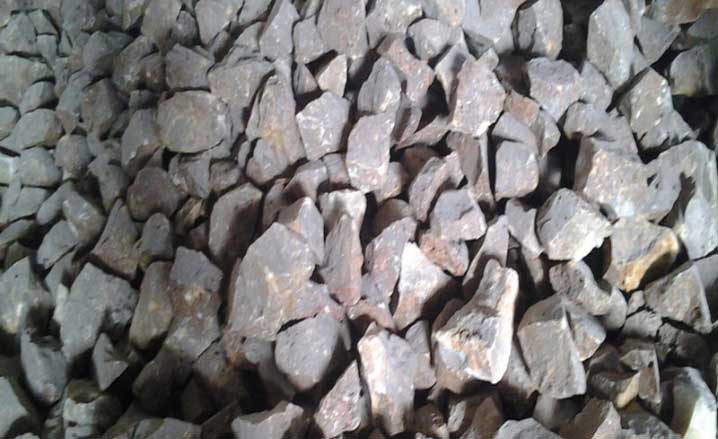
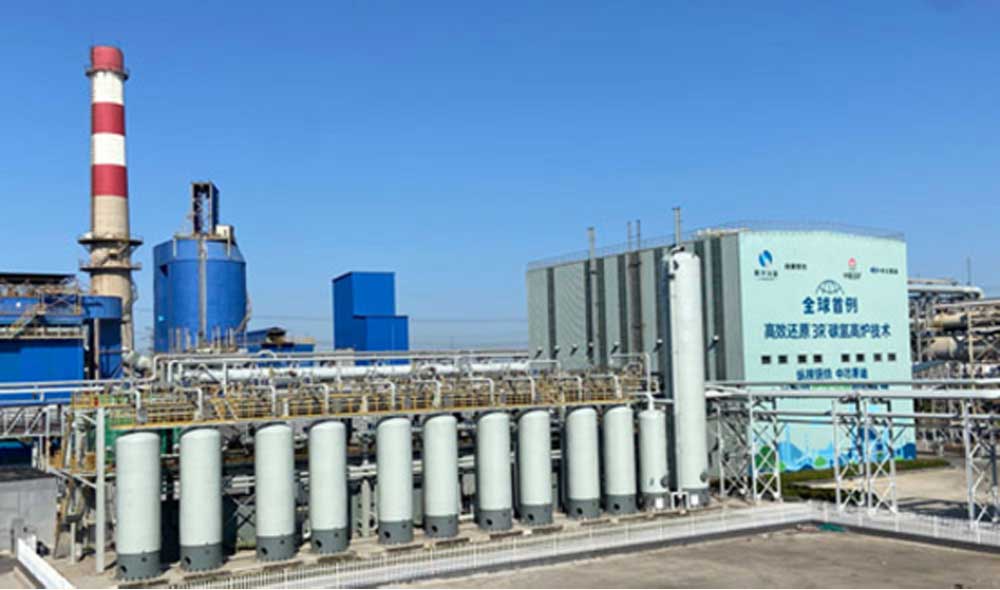
As an important industrial kiln equipment, rotary kilns are widely used in cement, lime, metallurgy, and chemical engineering industries. To perform an accurate rotary kiln refractory brick cost calculation, it is necessary to take into account the kiln’s specifications, refractory type, and operating conditions.
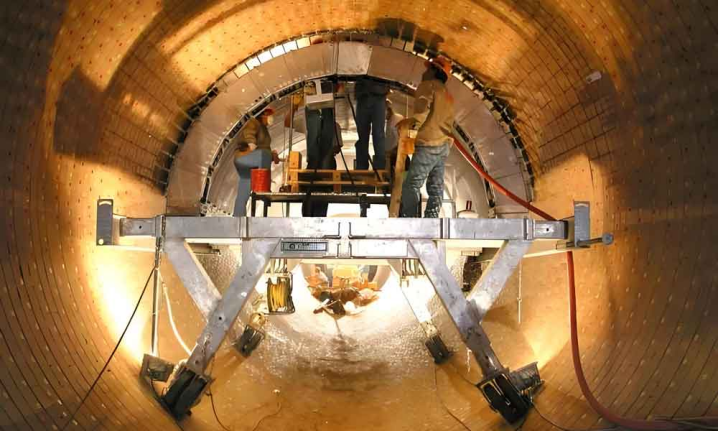
I. First, determine the basic parameters of the rotary kiln to avoid deviations in cost estimation
- Kiln specifications: effective inner diameter (D, m), length of each functional zone (firing zone/transition zone/preheating zone) (L1, m), and refractory thickness of the corresponding zone (δ, m). For example, δ of the firing zone is usually 15-20m, and that of the preheating zone is 15-25m.
- Refractory parameters: type (magnesia-chrome brick/high-alumina brick/castable), bulk density (ρ, t/m³, 2.8-3.2 for refractory bricks, 2.6-2.9 for castables), and size of a single brick.
- Operating condition coefficients: construction loss rate (5%-8% for bricks, 10%-15% for castables), annual maintenance frequency. A higher loss rate should be adopted when the raw materials have high hardness.
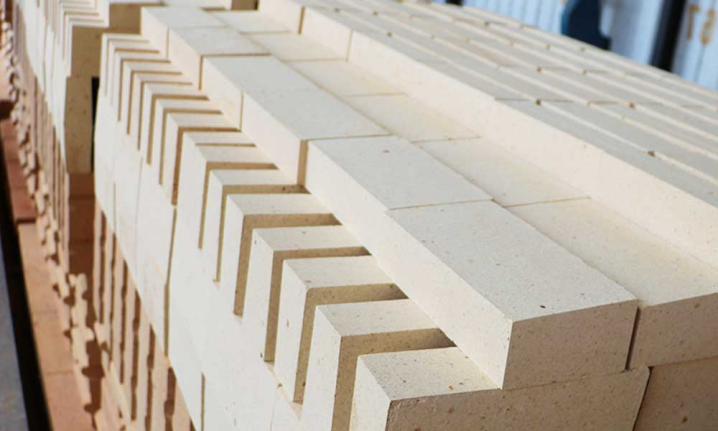
II. Calculate the actual refractory consumption and account for it by zone
Calculate the refractory volume of each zone: The kiln lining is a cylindrical ring, and the formula is V = π × (D – δ) × δ × L1 (where π is 3.14).
Calculate the weight
- For castables/monolithic refractories: Use the formula Weight = Volume × Bulk Density;
- For refractory bricks: First calculate the volume of a single brick, then determine the total number of bricks, and finally multiply by the weight of one brick to get the total weight.
Adjust for loss: Actual Consumption = Theoretical Weight × (1 + Loss Rate)
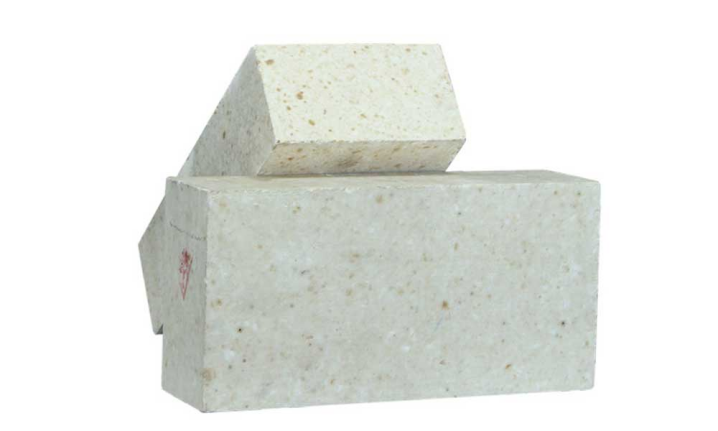
III. Calculate costs by item.
Total refractory cost = Purchase cost + Construction cost + Maintenance cost + Indirect cost.
- Purchase cost (60%-70%): Actual consumption × tax-exclusive unit price. Zone-specific prices are applied.
- Installation Cost (10%-15%): In China, the “price by weight” method is typically used. Brick masonry costs 200-500 RMB/ton, complex components (kiln inlet and outlet) 500-800 RMB/ton, and castables 300-600 RMB/ton.
- Maintenance cost (5%-10%): Daily repairs (annual castable consumption 5-10 tons × unit price) and partial replacement (e.g., 10 tons of transition zone bricks every 6 months, plus construction fees).
- Indirect cost (5%-8%): Covers transportation fees, storage fees, and management fees (3%-5% of total direct costs), estimated based on actual expenses or proportions.